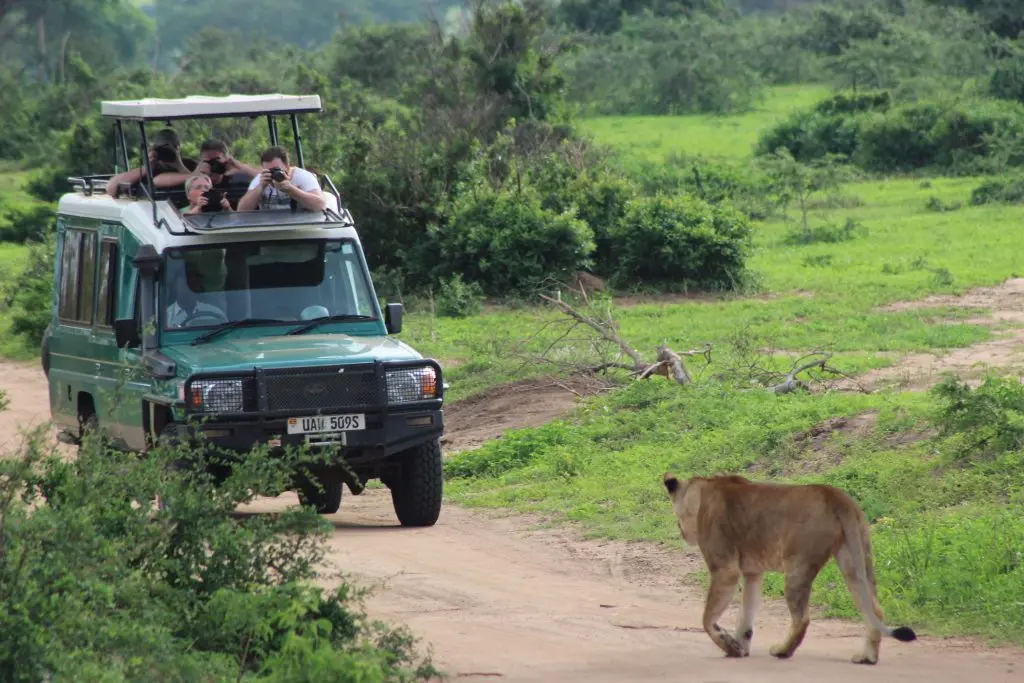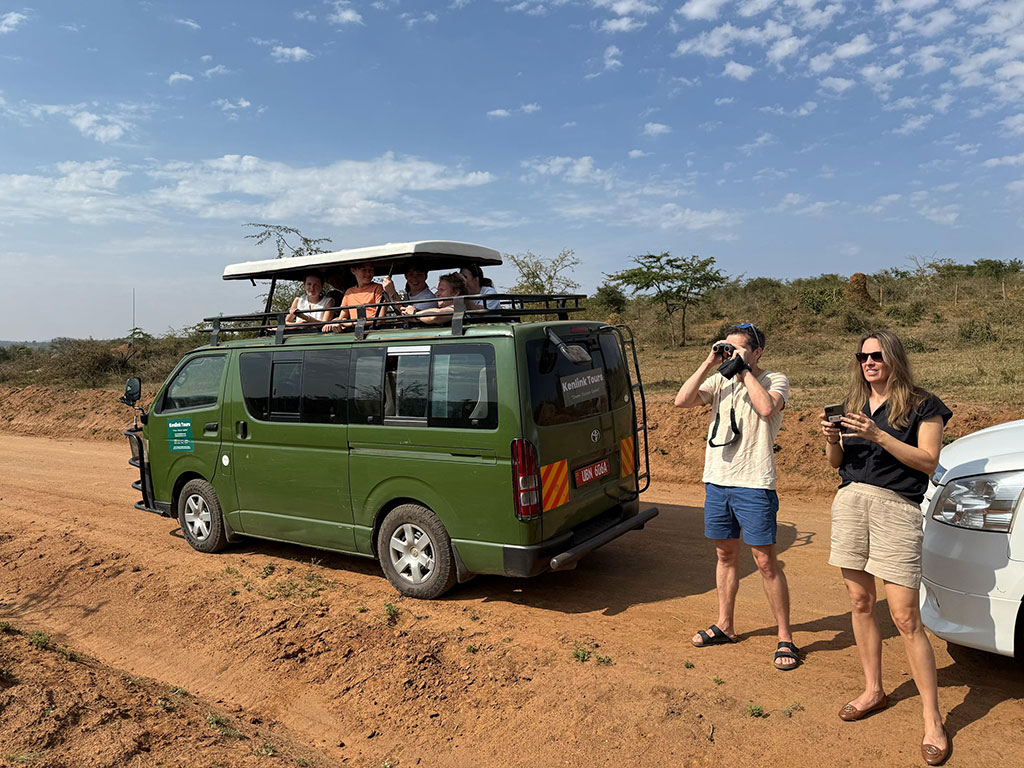

How to Get a Job in a Safari Company in Uganda. Uganda is one of Africa’s most exciting safari destinations, home to mountain gorillas, tree-climbing lions, the mighty River Nile, and some of the continent’s most biodiverse national parks. As tourism continues to grow, so does the demand for skilled, passionate, and professionally trained individuals to work in the safari industry. If you have ever dreamed of building a career in Uganda’s thriving wildlife and travel sector, this guide will walk you through everything you need to know — from the qualifications you need to the strategies that will get you hired.
Understanding the Safari Job Market in Uganda
Before you start applying, it helps to understand how Uganda’s safari industry is structured. Safari companies in Uganda range from large, internationally recognised tour operators to small boutique travel agencies. They require professionals in a wide variety of roles, including safari guides, tour drivers, lodge managers, hospitality staff, marketing executives, reservations officers, conservation officers, and customer experience specialists.
Uganda’s tourism sector has been growing steadily, particularly after the COVID-19 recovery, with increased arrivals from Europe, North America, and within Africa itself. The Uganda Tourism Board and private safari operators are actively seeking well-trained Ugandans who can represent the country professionally on the world stage. This means now is an ideal time to position yourself for a career in this industry.
Get the Right Qualifications and Training
The very first and most important step toward landing a job in a safari company is investing in the right education. Employers in Uganda’s safari sector increasingly prefer candidates who hold formal qualifications in tourism, hospitality, wildlife management, or travel and tour operations.
At Uganda Tourism Institute, students can access a range of professionally designed programmes tailored specifically to the demands of the local and international tourism industry. Whether you are pursuing a certificate, diploma, or degree-level qualification, acquiring formal training gives you a significant competitive edge over self-taught candidates. Courses covering tour guiding, wildlife conservation, hospitality management, and travel operations are particularly relevant for safari industry careers.
For additional vocational and technical training pathways that complement tourism studies, Kenlink Institute also offers programmes in business and management that can strengthen your professional profile when applying to tour companies.
Develop Safari-Specific Skills That Employers Want
Academic qualifications are important, but safari companies also look for a set of practical, hands-on skills that you must actively develop. The most in-demand skills in the safari job market include:
Expert knowledge of Uganda’s national parks and wildlife — You must be able to confidently speak about Bwindi Impenetrable Forest, Queen Elizabeth National Park, Murchison Falls, Kibale Forest, and Kidepo Valley Park, among others.
Fluency in English and additional languages — Many safari clients come from international destinations. Being able to communicate clearly and confidently in English, and having a working knowledge of French, German, or Swahili, makes you far more attractive to employers.
Customer service and people skills — Safari experiences are deeply personal and emotional for tourists. The ability to connect with guests, manage expectations, and create memorable moments is one of the most valued skills in this industry.
First aid and wilderness safety knowledge — Many tour operators require guides and field staff to hold valid first aid certifications. This is both a professional requirement and a genuine safety necessity when working in remote wildlife areas.
You can explore more about skill-building pathways and short courses at the Uganda Tourism Institute courses page to find training options that match your goals.
Build Relevant Experience Through Internships and Volunteering
One of the most common barriers for new job seekers is the classic challenge: employers want experience, but you cannot gain experience without being hired first. The best way to break this cycle in the safari industry is through internships, volunteer programmes, and part-time engagements with tourism organisations.
Many safari lodges, national park visitor centres, and community tourism projects in Uganda accept volunteers and interns who are willing to work in exchange for on-ground experience. This gives you direct exposure to how safari operations function, what clients expect, and how tour management works in practice.
Reach out to your training institution for internship placement support. At Uganda Tourism Institute, students are often connected with industry partners who offer supervised practical attachments as part of their academic programmes. Taking advantage of these opportunities before you graduate puts you well ahead of other applicants.
Build a Strong Professional Network in the Tourism Industry
In Uganda’s safari sector, who you know genuinely matters. The industry is relationship-driven, and many job opportunities are shared through professional networks before they are ever publicly advertised. Building a strong presence within the local and regional tourism community is therefore essential to your job search strategy.
Attend industry events, tourism expos, and conservation forums. Join professional bodies such as the Association of Uganda Tour Operators (AUTO) and follow organisations like the Uganda Wildlife Authority on social media. Engage with tourism professionals on LinkedIn, and make it a habit to introduce yourself and your career goals to people working in roles you aspire to.
Your lecturers and instructors at institutions like Kenlink Institute often have direct industry connections and can provide references or introductions that open doors you may not be able to open alone.
Craft a Targeted CV and Cover Letter for Safari Roles
A generic CV will rarely get you noticed in the safari industry. When applying to tour operators and safari companies, tailor your application materials specifically to the job and the company. Highlight any wildlife knowledge, language skills, first aid training, or guest-facing experience you have. If you have completed a gorilla trekking trip, guided a community walk, or participated in conservation activities, mention it.
Your cover letter should demonstrate genuine passion for Uganda’s natural heritage and a clear understanding of the company’s offerings. Safari employers can tell the difference between a candidate who genuinely loves the outdoors and wildlife and one who simply needs any job. Show enthusiasm that is rooted in real knowledge and experience.
Leverage Online Job Platforms and Company Websites Directly
Many safari companies in Uganda post vacancies directly on their websites, on Fuzu, BrighterMonday Uganda, and on their social media pages. Set up job alerts on these platforms and check safari company websites regularly. Some of the country’s major operators, such as Volcanoes Safaris, Asilia Africa, and Great Lakes Safaris, frequently recruit for seasonal and permanent positions.
You can also find career resources and industry updates through the Uganda Tourism Institute blog, which regularly shares guidance for students and emerging professionals navigating the tourism job market.
Stay Committed to Continuous Professional Development
The safari industry is constantly evolving. New conservation priorities, changing traveller preferences, digital marketing trends, and sustainability requirements all demand that professionals keep learning. Employers respect candidates who are proactive about growing their knowledge.
Consider pursuing short courses in ecotourism, digital marketing for travel brands, wildlife photography, or sustainable tourism management. Staying current shows employers that you are a serious professional, not just someone looking for any available position.
A rewarding career in Uganda’s safari industry is absolutely achievable with the right combination of qualifications, skills, experience, and persistence. Start by getting trained at a recognised institution like Uganda Tourism Institute, build your practical experience, grow your professional network, and apply with confidence. Uganda’s wild places are waiting — and they need passionate people to share them with the world.