
Tour Consultant Course in Africa. Behind every smooth African safari is a tour consultant who planned it. They answer the first enquiry, design the perfect itinerary, calculate the price, book the lodges and permits, and make sure every transfer, game drive and gorilla trek runs on time. As tourism grows across Africa, skilled consultants are in high demand, and a tour consultant course in Africa is the fastest way to build the knowledge and confidence to do this rewarding job.
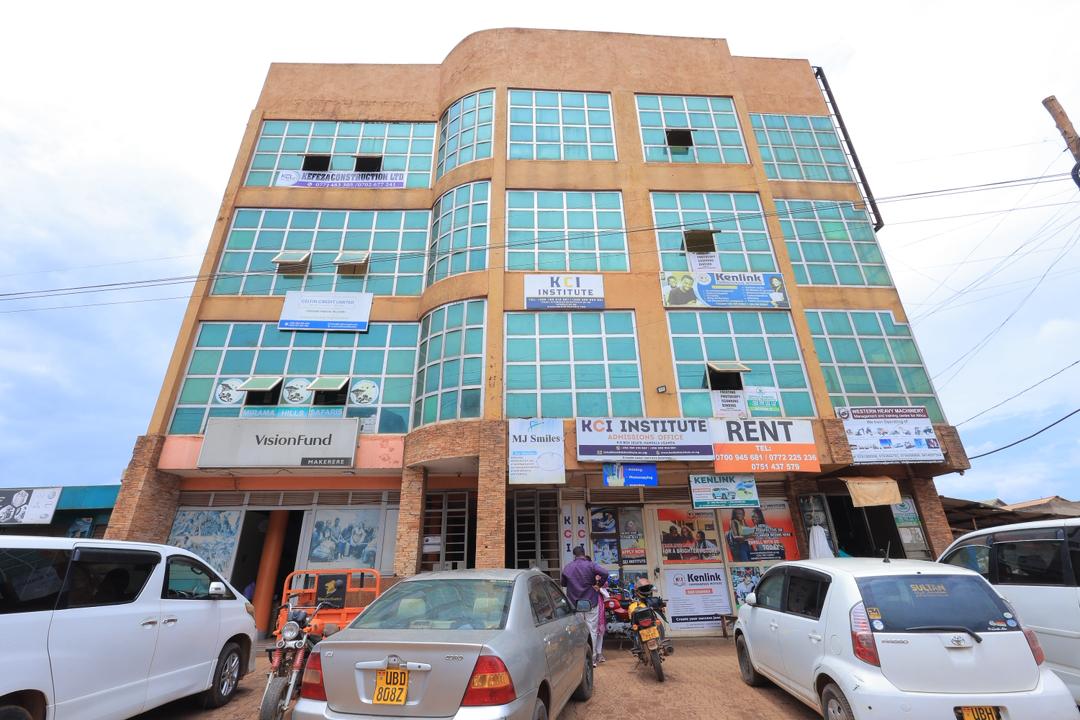
At Uganda Tourism Institute, we train tour consultants for tour operators, travel agencies, lodges and destination management companies across East Africa and beyond. In this guide, we explain what a tour consultant does, what a tour consultant course covers module by module, how long it takes, entry requirements, costs, and the career paths it opens, both in Uganda and across the continent.
What Is a Tour Consultant?
A tour consultant, also called a safari consultant, travel consultant or reservations consultant, is the office-based professional who plans and sells trips. While guides lead travellers in the field, consultants design and organise those trips behind the scenes. In a typical day, a tour consultant might:
- Respond to enquiries from travellers and travel agents by email, phone, WhatsApp and online chat
- Understand each client’s interests, budget, dates and travel style
- Design tailor-made itineraries combining parks, lodges, activities and transport
- Prepare accurate quotations, including permits, park fees, accommodation and vehicles
- Book lodges, gorilla and chimpanzee permits, flights and transfers
- Send confirmations, invoices, travel documents and pre-departure information
- Coordinate with guides, drivers and lodges while clients are travelling
- Follow up after trips to collect feedback and encourage reviews and referrals
To see the kind of trips consultants design every day, look at real itineraries such as the Uganda safari packages and Rwanda safaris offered by Kenlink Tours.
A Day in the Life of a Tour Consultant
A tour consultant’s morning often begins by checking overnight enquiries from Europe, North America and Asia, where clients have been planning their dream safaris while Africa slept. The consultant replies to each one, asking about travel dates, budgets and interests, and sends tailored itinerary suggestions.
By midday, the focus may shift to bookings: confirming lodge rooms, securing gorilla permits, arranging vehicles and checking flight times. Afternoons can include calls with clients, coordinating with guides currently in the field, updating price lists and preparing travel documents for upcoming departures.
No two days are the same. One day might involve rescheduling a trip after a flight delay, while another involves designing a two-week honeymoon across three countries. It is a fast-paced, varied job for people who enjoy problem-solving and helping others realise their travel dreams.
Who Should Take a Tour Consultant Course?
This course is ideal for school leavers who love travel and are organised and computer-literate, hospitality staff who want to move into office roles, guides who want to transition into planning and sales, and entrepreneurs planning to open a tour company or travel agency. It also suits students from other African countries who want internationally relevant tourism skills. If you enjoy communicating, planning and working with numbers, tour consulting could be the right path. Those interested in the accommodation side can also explore hospitality management courses in Uganda.
Why Study a Tour Consultant Course in Africa?
Africa offers some of the world’s most sought-after travel experiences: mountain gorillas in Uganda and Rwanda, the Great Migration in Kenya and Tanzania, the deserts of Namibia, the Okavango Delta in Botswana, Victoria Falls, Zanzibar’s beaches and much more. Travellers often combine several countries in one trip, and they rely on knowledgeable consultants to make complex itineraries simple.
Tour consultants are needed by tour operators, travel agencies, lodge groups, airlines and online travel companies. The role offers stable office-based work, opportunities to travel on familiarisation trips, and a clear career path into sales management, operations and business ownership. Increasingly, consultants can also work remotely for international companies selling African travel.
Studying in Uganda gives you a strong base. You learn in the heart of East Africa, close to gorilla parks and savannah reserves, with access to working tour companies for internships. To understand the wider benefits, read why Uganda is one of the best countries to study tourism courses.
What You Will Learn: Tour Consultant Course Modules
A comprehensive tour consultant course combines destination knowledge, technical planning skills, sales and customer service. Here are the core modules you can expect.
Module 1: Introduction to the Travel and Tourism Industry
You learn how the tourism value chain works, from tour operators, destination management companies and travel agents to lodges, airlines, national park authorities and online travel platforms. Understanding who does what helps you work effectively with partners and suppliers.
Module 2: African Destination Knowledge
Consultants must know destinations well enough to advise clients confidently. This module covers key countries and attractions across East, Southern and wider Africa, including national parks, wildlife, seasons, travel distances, cultural highlights and practical travel information. You study classic routes in Uganda, Rwanda, Kenya and Tanzania, as well as Southern African destinations such as Namibia and Botswana.
Module 3: Itinerary Design and Product Knowledge
This is the heart of the course. You learn to build logical, enjoyable itineraries that balance driving times, activities and rest, choose the right lodges for each budget, and combine destinations smoothly. You practise designing short safaris, multi-country trips and specialised tours for birders, honeymooners, families and adventure travellers, similar to a 14-day East Africa safari combining gorillas and the Serengeti.
Module 4: Costing, Pricing and Quotations
Accurate pricing is essential for profit and client trust. You learn how to calculate costs for accommodation, park fees, permits, vehicles, fuel, guides, meals and activities, apply margins, handle currency exchange and prepare professional quotations. You also learn how seasons, group sizes and single supplements affect prices.
Module 5: Reservations and Booking Procedures
This module covers how to make, confirm, amend and cancel bookings with lodges, parks and transport providers. You learn about gorilla and chimpanzee permit procedures, deposits, cancellation policies, booking records and how to manage availability during busy seasons.
Module 6: Air Travel, Ticketing and Travel Documents
Many consultants also handle flights and travel documents. You learn airline basics, domestic and regional flight options, an introduction to global distribution systems used by travel agents, visa requirements, health requirements such as yellow fever certificates, and travel insurance.
Module 7: Sales, Customer Service and Communication
Tour consultants are salespeople as well as planners. You learn how to respond quickly and professionally, ask the right questions, present itineraries persuasively, handle objections, follow up and convert enquiries into bookings. Strong written English and polite, clear communication are emphasised throughout.
Module 8: Business Writing and Email Etiquette
Most enquiries and bookings happen by email. This module teaches you to write clear, friendly and professional emails, itineraries, proposals and confirmations that build trust and reflect your company’s brand.
Module 9: Tourism Marketing and Digital Sales
Modern consultants work with websites, social media, online travel platforms and email marketing. You learn the basics of digital marketing, content creation, search engine optimisation and how to use online tools to generate and manage leads. You can deepen this skill with a short course in marketing in Uganda.
Module 10: Computer Skills and Tour Software
You learn to use spreadsheets for costing, word processing for itineraries, booking and customer management systems, and other software commonly used by tour operators. These practical skills make you productive from your first day on the job.
Module 11: Tour Operations and Ground Handling
Consultants must understand what happens on the ground. This module covers vehicle allocation, guide scheduling, airport transfers, emergency procedures and coordinating with field teams. Knowing how operations work, including how companies manage fleets for safari car hire, helps you create realistic itineraries.
Module 12: Tourism Law, Ethics and Responsible Travel
You study consumer protection, contracts with suppliers and clients, licensing, data protection and ethical selling. You also learn about responsible and sustainable tourism, and how to promote trips that benefit local communities and conservation.
Module 13: Foreign Languages
Consultants who can communicate in French, German, Spanish, Italian or Chinese can serve more markets and often earn more. Many programmes include an introduction to a foreign language, and you can strengthen this skill through language courses at KCI Institute.
Practical Training and Case Studies
A good tour consultant course is highly practical. Throughout your training, you will work on real-world case studies, such as responding to a sample enquiry from a family wanting gorillas and the Big Five, or costing a group safari for twelve people. Trainers act as clients, and you practise phone calls, emails and presentations.
Students also study existing itineraries from working tour companies to understand how professionals structure trips. For example, you might analyse a short trip like a 3-day Uganda gorilla safari and then design a longer multi-country version.
Internships for Tour Consultant Students
Internships place you inside a working tour company or travel agency, where you assist with enquiries, quotations, bookings and client communication under the guidance of experienced consultants. This real experience is invaluable, and many interns receive job offers from their host companies.
Programmes such as the tourism internship in Uganda with Kenlink Tours give students exposure to both office work and field operations.
How Long Does a Tour Consultant Course Take?
- Short course: A few weeks to about five months, focusing on itinerary design, costing, reservations and sales.
- Certificate: About one year, covering broader tourism knowledge and including an internship.
- Diploma: About two years, with advanced modules in tour operations, marketing and management.
Online and part-time options are ideal for working professionals or students elsewhere in Africa. For a detailed comparison of course lengths, read how to learn tourism courses in Uganda, and check our intakes page for upcoming start dates.
Entry Requirements
- Short courses: Usually open to anyone with good English, basic computer skills and an interest in travel.
- Certificates: Commonly require completion of Senior Four (UCE) or equivalent.
- Diplomas: Commonly require Senior Six (UACE) or a relevant certificate.
International students from other African countries and beyond are welcome, with qualifications assessed for equivalence. See the KCI Institute admission page for details, and read Can I study tourism after S4 in Uganda? if you are a recent school leaver.
How Much Does a Tour Consultant Course Cost?
Fees depend on the course level and duration, with short courses being the most affordable. Additional costs may include registration, study materials, software access and internship expenses. For a detailed guide, read tourism course fees in Uganda: what to budget for and see the KCI Institute fee structure.
Tools Every Tour Consultant Should Master
Successful consultants rely on a toolkit of everyday resources. These include spreadsheets for costing and rate sheets, itinerary-building software, customer relationship management systems for tracking enquiries, email and messaging apps, online maps for planning routes and driving times, and lodge and park rate lists. Consultants also keep updated destination guides for each country they sell, such as profiles of Kenya safaris and Uganda’s national parks. Mastering these tools during your course means you can start contributing as soon as you join a company.
Skills of a Successful Tour Consultant
- Destination expertise: Deep knowledge of parks, lodges, seasons and logistics
- Attention to detail: Accurate dates, prices, names and bookings
- Excellent communication: Clear, friendly and persuasive writing and speaking
- Sales ability: Turning enquiries into confirmed bookings
- Numeracy: Confident costing and budgeting
- Organisation: Managing many enquiries and bookings at once
- Problem-solving: Handling changes, delays and emergencies calmly
- Digital skills: Comfortable with email, spreadsheets, booking systems and social media
- Cultural awareness: Understanding the needs of clients from different countries
Career Opportunities After a Tour Consultant Course
Tour consultant or safari consultant: Designing and selling trips for tour operators.
Reservations agent: Managing bookings for lodges, hotels, airlines or tour companies.
Travel agent: Selling flights, holidays, visas and travel insurance.
Sales and marketing executive: Promoting tourism products to clients and agents locally and internationally.
Operations coordinator: Managing logistics, vehicles and guides for confirmed trips.
Product manager: Developing new tours, contracting suppliers and setting prices.
Remote travel consultant: Working online for international companies that sell African travel.
Tour company owner: Many experienced consultants eventually start their own businesses.
Explore more career ideas in our guide to tourism careers, and see current openings on the KCI Institute careers page.
How Much Do Tour Consultants Earn?
Tour consultant earnings vary widely depending on the country, employer, experience, language skills and sales performance. Entry-level consultants usually start with modest salaries, while experienced consultants, especially those who speak foreign languages or handle high-value luxury and multi-country safaris, can earn considerably more. Many companies also offer commissions or bonuses based on bookings, so strong sales skills can significantly increase your income.
Consultants who progress into sales management, operations management or product development, or who start their own companies, typically have the highest earning potential.
Common Mistakes New Tour Consultants Make
Slow responses: Waiting too long to reply often means losing the client to a faster competitor.
Unrealistic itineraries: Packing too many parks into too few days leads to exhausted clients and poor reviews. Always check driving times.
Pricing errors: Forgetting park fees, permits or seasonal rate changes can wipe out profits. Double-check every quotation.
Generic replies: Copy-and-paste answers feel impersonal. Tailor each response to the client’s specific interests.
Poor follow-up: Many bookings are won through polite, well-timed follow-up messages after the first quotation.
Tour Consultant vs Tour Guide: Which Career Is Right for You?
Both careers are central to tourism, but they suit different personalities. Tour guides work outdoors, travel constantly and lead guests in person, so they need physical stamina and strong field knowledge. Tour consultants work mainly in offices or online, focusing on planning, selling and organising, so they need strong computer, writing and organisational skills.
Some professionals start as guides and later move into consulting, bringing valuable field experience to their planning. If you are considering guiding, read our guides to the best tour guiding courses in Uganda and how to become a good tour guide.
Tips to Succeed as a Tour Consultant
Respond fast: Travellers often contact several companies at once. Quick, helpful replies win bookings.
Know your product: Take every chance to join familiarisation trips and visit lodges and parks in person.
Listen carefully: The best itineraries come from understanding exactly what clients want, not just selling what is easiest.
Be honest: Set realistic expectations about sightings, driving times and weather to build trust and avoid complaints.
Keep learning: Stay updated on new lodges, permit changes, visa rules and travel trends across Africa.
Build relationships: Strong connections with lodges, guides and partners help you solve problems quickly and get better rates.
The Future of Tour Consulting in Africa
Demand for African travel continues to grow, with more visitors seeking tailor-made, multi-country and sustainable trips. Technology is changing how consultants work, with online enquiries, video consultations, digital itineraries and remote working becoming common. Consultants who combine strong destination knowledge with digital skills, languages and excellent service will be in high demand for years to come.
Popular trends include combination safaris such as a 10-day gorilla trekking and Great Migration safari, which require consultants who understand several countries and their logistics.
Why Study Tour Consulting at Uganda Tourism Institute?
Practical, industry-focused training: Real case studies, costing exercises and enquiry simulations prepare you for the job.
Experienced trainers: Learn from professionals who have worked in tour operations and sales.
Industry connections: Partnerships with tour companies provide internships and job opportunities.
Flexible study: Choose online or in-person learning, short courses or longer programmes.
Affordable fees: Competitive pricing and flexible payment plans.
Learn more on our About Us page, explore our sister institution on the KCI Institute About Us page, or read KCI Institute in Uganda: courses, fees and how to enrol. You can also compare schools in our guides to the best tourism institute in Uganda, the best tourism schools within Kampala and the best hospitality schools in East Africa.
Frequently Asked Questions
What does a tour consultant do?
A tour consultant plans, prices, sells and books trips for travellers, working closely with lodges, guides, transport providers and park authorities.
How long is a tour consultant course?
Short courses take a few weeks to about five months, certificates about one year and diplomas about two years.
Can I study a tour consultant course online?
Yes. Online and blended options allow students across Africa and beyond to study flexibly while completing practical tasks and internships.
Do I need to have travelled widely to become a tour consultant?
No. Training gives you destination knowledge, and you can build personal experience over time through familiarisation trips and work.
Is tour consulting a good career in Africa?
Yes. With growing demand for African travel, skilled consultants are needed by tour operators, travel agencies and lodges, with clear paths into management and business ownership.
How do I apply?
Apply through our Apply Now page or via the KCI Institute application form.
Start Your Tour Consultant Course Today
A tour consultant course in Africa prepares you for a dynamic career at the centre of the travel industry. You will learn to design unforgettable itineraries, price trips accurately, sell with confidence and coordinate every detail behind the scenes. Whether you dream of planning gorilla treks in Uganda, migration safaris in Kenya and Tanzania or desert adventures in Namibia, the right training will set you on the path to success.
Ready to begin? Explore our tourism courses, read more on our blog, check the next intake and apply today. Your tour consulting career starts at Uganda Tourism Institute.
Related Posts
Wildlife and Adventure Tourism Courses
Posted on