
Tourism Courses to Choose from in Uganda. Uganda’s tourism industry offers far more career paths than most people realize. Beyond safari guides and hotel receptionists, there are tour planners, travel agents, chefs, event managers, marketing specialists, lodge managers, birding experts and entrepreneurs running their own companies. Each of these careers starts with the right training. But with so many options available, how do you decide?
In this guide, the team at Uganda Tourism Institute sets out the main tourism courses to choose from in Uganda. We group them by career area and qualification level, explain what each course covers, who it suits, how long it takes and where it can lead, and finish with practical advice on choosing the right course for your goals.
Why the Right Tourism Course Matters
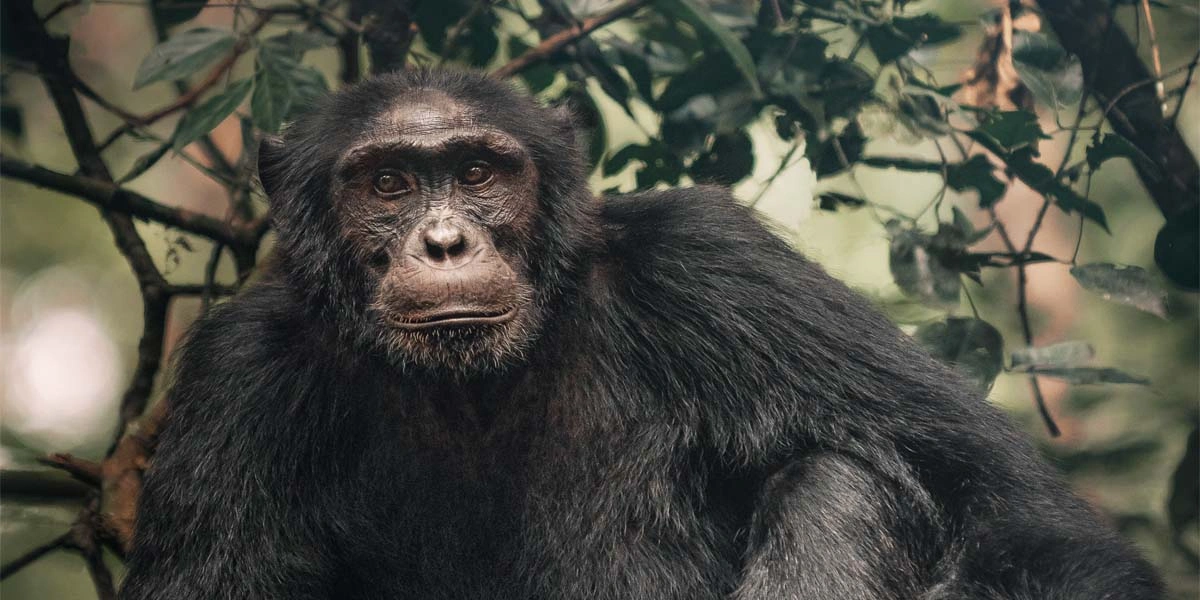
Tourism is one of Uganda’s most important industries and a major employer of young people. Visitors come for mountain gorillas in Bwindi and Mgahinga, chimpanzees in Kibale, big game in Queen Elizabeth, Murchison Falls and Kidepo Valley, the source of the Nile, birding, culture and adventure. Every part of that experience depends on trained people.
Choosing the right course matters because it shapes your first job, your earning potential and how quickly you progress. A course that matches your interests and strengths keeps you motivated, while one that matches market demand helps you find work faster. Our article on how tourism is creating jobs for youth in Uganda explains the opportunity in more detail.
You can explore our full programme list on the Our Courses page.
Understanding Qualification Levels
Tourism courses in Uganda are offered at several levels. Knowing the differences helps you choose where to start:
| Level | Typical Duration | Typical Entry | Best For |
|---|---|---|---|
| Short course | A few weeks to about 6 months | Basic education; open to many | Quick skills, career changers, specialists |
| Certificate | About 6 months to 1 year | O-Level (UCE) or equivalent | Entry-level jobs and a strong foundation |
| Diploma | About 2 years | A-Level (UACE) or relevant certificate | Supervisory and junior management roles |
| Degree | About 3 years | A-Level with required principal passes, or a diploma | Management, policy, research and senior roles |
Many students start with a short course or certificate, gain experience and then progress to a diploma or degree. If you are just finishing school, read our guides on whether you can study tourism after S4 in Uganda and our overview of tourism courses after S4 and S6.
1. Tour Guiding Courses
What you learn: Guiding techniques, interpretation, wildlife and bird identification, Ugandan destinations, culture and history, group management, customer care, first aid and safety.
Who it suits: Nature lovers, confident communicators and people who enjoy working outdoors and meeting new people.
Duration: Usually short courses of a few weeks to a few months, or as part of a certificate or diploma.
Careers: Safari guide, forest guide, cultural guide, city guide, birding guide and tour leader.
Read our guide on how to become a good tour guide, and if you hope to guide inside national parks, see how to become a Uganda Wildlife Authority (UWA) guide.
2. Tour Guiding and Driving Courses
What you learn: Everything in a guiding course, plus safe 4×4 driving, defensive driving, basic vehicle maintenance and Uganda’s safari routes.
Who it suits: Drivers who want to become driver-guides, and aspiring guides who want the most employable combination of skills in Uganda’s safari industry.
Careers: Safari driver-guide, which is the most common guiding role in Uganda’s tour company sector.
For an example of this type of programme, see KCI Institute’s tour guiding and driving course.
3. Certificate in Tourism and Hospitality Management
What you learn: A broad introduction to both tourism and hospitality, including tour operations, customer care, front office, housekeeping, food and beverage service, tourism geography, marketing and entrepreneurship.
Who it suits: S4 leavers and career starters who want a solid, flexible foundation before specialising.
Duration: About six months to one year, including practical training.
Careers: Receptionist, reservations officer, tour consultant, travel assistant, waiter or waitress, housekeeping attendant and customer service roles.
Compare details in KCI Institute’s guides to the certificate in tourism course in Uganda and the tourism and hospitality course in Uganda.
4. Diploma in Tourism Management
What you learn: Deeper study of tourism planning, tour operations management, destination management, tourism marketing, finance, human resources, sustainable tourism and research, along with practical attachments.
Who it suits: S6 leavers and certificate holders aiming for supervisory and management roles.
Duration: About two years.
Careers: Tour operations supervisor, sales and marketing officer, travel agency supervisor, tourism officer and junior manager.
Learn more on our Diploma in Tourism Management in Uganda page.
5. Hotel and Hospitality Management Courses
What you learn: Hotel operations, front office management, housekeeping, food and beverage management, hospitality accounting, customer service and leadership.
Who it suits: People who enjoy looking after guests, organising operations and working in hotels, lodges and resorts.
Levels: Certificates, diplomas and degrees.
Careers: Front office manager, housekeeping supervisor, restaurant manager, lodge manager and hotel manager.
See our article on hotel management course requirements in Uganda for entry details.
6. Front Office and Reception Courses
What you learn: Reservations, check-in and check-out, guest relations, billing, telephone etiquette, booking systems and complaint handling.
Who it suits: Friendly, organised people who enjoy being the first point of contact for guests.
Duration: Short courses or modules within hospitality certificates.
Careers: Receptionist, guest relations officer, reservations agent and front office supervisor.
7. Food and Beverage Service and Culinary Courses
What you learn: Restaurant service, bar operations, menu knowledge, food hygiene, food production, international and local cuisines, pastry and kitchen management.
Who it suits: Creative, energetic people who love food and teamwork.
Levels: Short courses, certificates and diplomas.
Careers: Waiter, bartender, barista, cook, chef, pastry chef, restaurant supervisor and caterer.
If you dream of owning a restaurant one day, read restaurant entrepreneurship: from your kitchen to your own business.
8. Travel Agency and Ticketing Courses
What you learn: Airline reservations, ticketing systems, fares and routes, travel documentation, visas, travel insurance and customer service.
Who it suits: Detail-oriented people interested in aviation, travel planning and office-based work.
Duration: Typically short courses or certificate modules.
Careers: Travel agent, ticketing officer, reservations agent and airline customer service officer.
9. Tour Operations and Safari Planning Courses
What you learn: Designing itineraries, costing and pricing safaris, booking lodges and permits, coordinating transport, managing guests and handling sales enquiries.
Who it suits: Organised planners who enjoy problem-solving and selling memorable experiences.
Careers: Tour consultant, reservations officer, operations coordinator and tour company manager.
This area is also excellent preparation for entrepreneurship. See our guide on how to start a tourism company in Uganda.
10. Event and Conference Management Courses
What you learn: Planning meetings, conferences, weddings and festivals, budgeting, venue management, logistics, marketing and on-site coordination.
Who it suits: Energetic organisers who thrive under pressure and enjoy bringing people together.
Careers: Event coordinator, conference organiser, wedding planner and venue manager. Conference tourism is a growing segment in Kampala and Entebbe.
11. Tourism Marketing and Digital Tourism Courses
What you learn: Branding, social media marketing, content creation, search engine optimisation, online booking platforms, photography and sales.
Who it suits: Creative, digitally confident people who enjoy writing, design and storytelling.
Careers: Digital marketing officer, social media manager, content creator and sales executive for tour companies, hotels and destinations.
12. Ecotourism and Sustainable Tourism Courses
What you learn: Conservation principles, community-based tourism, environmental management, responsible tourism practices and sustainable business models.
Who it suits: People passionate about wildlife, the environment and local communities.
Careers: Ecotourism officer, community tourism coordinator, conservation tourism specialist and sustainable lodge manager.
Specialist niches in this area are growing. For example, our article on reptile and amphibian tourism in Uganda shows how new products can attract visitors.
13. Birding and Specialist Guiding Courses
What you learn: Bird identification by sight and sound, habitats, birding sites across Uganda, use of binoculars and scopes, and guiding birding tours.
Who it suits: Patient, observant people with a love of nature. Uganda has recorded more than 1,000 bird species, making birding guides highly valued.
Careers: Specialist birding guide, often earning premium rates with international birding groups.
14. Foreign Language Courses for Tourism
What you learn: Conversational and professional French, German, Spanish, Chinese, Arabic or other languages, often with tourism-specific vocabulary.
Who it suits: Anyone in tourism who wants to stand out, serve more markets and earn more.
Careers: Multilingual guide, tour consultant, receptionist or sales officer. Language skills boost almost every tourism career.
Explore options such as KCI Institute’s language courses.
15. Tourism Entrepreneurship and Business Courses
What you learn: Business planning, finance, marketing, legal requirements, licensing, customer service and growth strategies for tourism businesses.
Who it suits: Aspiring business owners planning tour companies, guesthouses, transport services, cafés or craft businesses.
Before starting a tourism business, read our guide on what is needed to get a Uganda Tourism Board licence.
16. Online Tourism Courses
Many of the courses above are now available online or in a blended format, combining online theory with in-person practical sessions. Online study is ideal for working adults, parents and students living far from training centres.
For more on how distance study works, read KCI Institute’s guide to online tourism courses in Uganda.
17. Housekeeping and Accommodation Operations Courses
What you learn: Room preparation, cleaning standards, laundry and linen management, hygiene, guest room inspection and supervision of housekeeping teams.
Who it suits: Organised, detail-focused people who take pride in high standards.
Careers: Room attendant, laundry supervisor, housekeeping supervisor and executive housekeeper. Housekeeping is the backbone of every hotel and lodge, and skilled supervisors are always in demand.
18. Aviation, Cabin Crew and Airport Services Courses
What you learn: Airline operations, passenger handling, in-flight service, safety procedures, grooming standards and airport customer service.
Who it suits: Confident, well-presented people who enjoy travel and dealing with the public.
Careers: Cabin crew, ground handling staff, check-in agent and airport customer service officer. These roles connect closely with tourism, since most international visitors arrive by air through Entebbe.
19. Degree Programmes in Tourism and Hospitality
What you learn: Advanced tourism economics, policy and planning, destination management, hospitality management, research, finance and leadership.
Who it suits: Students who want senior management, government, research or academic careers.
Duration: Usually around three years at universities.
Careers: Tourism officer, destination manager, hotel general manager, tourism policy analyst, lecturer and consultant. Many degree students gain practical skills through short courses or certificates first.
Questions to Ask Yourself Before Choosing
- Do I prefer working outdoors, in an office, in a kitchen or at a reception desk?
- Do I enjoy speaking to groups, or do I prefer one-to-one service?
- How much time and money can I invest in training right now?
- Do I want a job quickly, or am I planning a long-term management career?
- Would I like to run my own business one day?
- Am I willing to work in remote areas near national parks?
Honest answers to these questions will point you towards the courses that suit you best. If you are still unsure, speak to a tourism professional, visit a hotel or tour company, or ask our admissions team for a friendly career conversation.
Advice for Parents and Guardians
Parents and guardians often play a big role in choosing a course. Tourism is sometimes misunderstood as a seasonal or low-status career, but the reality is very different. Uganda’s tourism and hospitality sector offers stable jobs, clear career progression and real opportunities for entrepreneurship. Skilled professionals in guiding, hospitality, culinary arts and tour operations can build excellent careers in Uganda and across the region.
When supporting a young person, encourage them to choose a course that matches their interests, check that the institution is recognised, and look for programmes with strong practical training and internships. Visiting the institution, meeting trainers and speaking to past students can give you confidence in the choice.
Matching Courses to Your Personality
Choosing a course is easier when you think about what you enjoy:
- Love the outdoors and wildlife? Consider tour guiding, driver-guiding, birding or ecotourism.
- Enjoy looking after people? Hospitality, front office or food and beverage service may suit you.
- Love cooking and creativity? Culinary arts and pastry courses could be your path.
- Organised and detail-focused? Tour operations, travel agency and event management are good fits.
- Creative and digital? Tourism marketing and digital tourism suit storytellers and designers.
- Want to be your own boss? Combine a core course with entrepreneurship training.
- Aiming for leadership? A diploma or degree in tourism or hospitality management is the long-term route.
Matching Courses to Job Market Demand
Some skills are in particularly strong demand in Uganda’s tourism industry:
- Driver-guides with strong communication and wildlife knowledge.
- Multilingual staff, especially French and German speakers.
- Skilled chefs and food and beverage staff for lodges and hotels.
- Tour consultants who can plan itineraries and close sales.
- Digital marketers who can promote tourism businesses online.
- Hospitality supervisors and managers for growing lodge and hotel networks.
To understand where graduates find work, read our guides on job opportunities after completing a tourism course and how to get your first tourism job in Uganda with no experience. Opportunities also extend beyond Uganda; see tourism jobs in Rwanda, Kenya and Tanzania.
Combining Courses for a Stronger CV
Many successful tourism professionals combine qualifications. Popular combinations include:
- Tour guiding + driving + first aid for safari driver-guides.
- Tourism certificate + foreign language for tour consultants and guides.
- Hospitality certificate + culinary short course for lodge staff.
- Tourism diploma + digital marketing for sales and marketing roles.
- Any tourism course + entrepreneurship for future business owners.
Short add-on courses are an affordable way to strengthen your CV and increase your earning potential. They also show employers that you are committed to learning and growing, which is one of the qualities tourism managers value most when hiring and promoting staff. Over a few years, a series of well-chosen courses can take you from an entry-level role to a supervisory or management position.
How to Choose the Right Training Institution
Once you know which course you want, choose an institution carefully. Ask:
- Is it registered and are its programmes recognised? In Uganda, vocational qualifications are assessed by the Uganda Vocational and Technical Assessment Board (UVTAB).
- How much practical training is included? Look for field trips, training kitchens, mock hotels and internships.
- Who are the trainers? Experienced industry professionals make the best teachers.
- Does it have industry links? Partnerships with tour companies and hotels help with internships and jobs.
- Are flexible schedules available? Weekend, evening and online options matter if you work.
- What are the total costs? Ask about tuition, practicals, uniforms, exams and field trips.
To compare course lists, fees and admissions processes across institutions, you can review published examples such as KCI Institute’s course list, fee structure and admissions page, along with its overview of tourism courses in Uganda.
Tourism Courses vs Other Popular Options
Many S4 and S6 leavers compare tourism with other vocational fields such as nursing, accounting, ICT or catering. Tourism stands out for its variety, its connection to Uganda’s natural and cultural heritage, opportunities to travel, and strong potential for self-employment. It rewards people skills and passion as much as academic results.
For a wider perspective on vocational choices after O-Level, read KCI Institute’s list of the top 8 best courses a Senior 4 leaver can do in Uganda.
Typical Costs of Tourism Courses in Uganda
Costs vary by institution, level, duration and how much practical training is included. In general:
- Short courses are the most affordable and quickest to complete.
- Certificates cost more but provide a broader foundation.
- Diplomas and degrees require a larger investment over a longer period.
Remember to budget for extras such as uniforms, field trips, examinations, equipment and transport. Many institutions offer payment plans. Contact our admissions team for current fees at Uganda Tourism Institute.
FAQ: Which Tourism Course Is Best in Uganda?
There is no single best course. The right choice depends on your interests, education level and career goals. Tour guiding, hospitality and tour operations are among the most popular entry points.
FAQ: Can I Study Tourism After S4?
Yes. Short courses and certificates are open to O-Level leavers.
FAQ: Which Tourism Course Pays Best?
Earnings depend more on experience, skills and performance than the course alone. Specialist guides, multilingual staff, chefs and managers often earn well over time.
FAQ: Can I Study More Than One Course?
Yes. Many professionals combine a core course with short add-ons such as languages, driving, first aid or digital marketing.
FAQ: Are Tourism Courses Available Online?
Yes. Many theory-based courses are offered online or in blended formats, with practical sessions arranged separately.
FAQ: Do Tourism Courses Include Internships?
Most quality certificate and diploma programmes include an internship or industrial attachment with hotels, lodges, tour companies or travel agencies. Internships give you real experience, references and often a first job offer, so ask about them before you enrol.
FAQ: How Soon Can I Start Working?
Graduates of short courses can sometimes start working within weeks of finishing, especially if they gained experience during training. Certificate holders often find entry-level roles soon after completing their internships.
Choose Your Tourism Course and Start Your Career
There are many tourism courses to choose from in Uganda, each leading to a different and rewarding career. Whether you want to guide gorilla treks, plan safaris, run a hotel, cook for international guests, organise conferences, market destinations or build your own business, there is a course that fits your interests and goals. Start with what excites you, choose a recognised institution with strong practical training, and build your skills step by step.
At Uganda Tourism Institute, we help students find the right path into tourism and hospitality. Explore our courses, read more career guides on our website and contact our admissions team for personalised advice. For more information on vocational training options in Uganda, you can also visit KCI Institute.