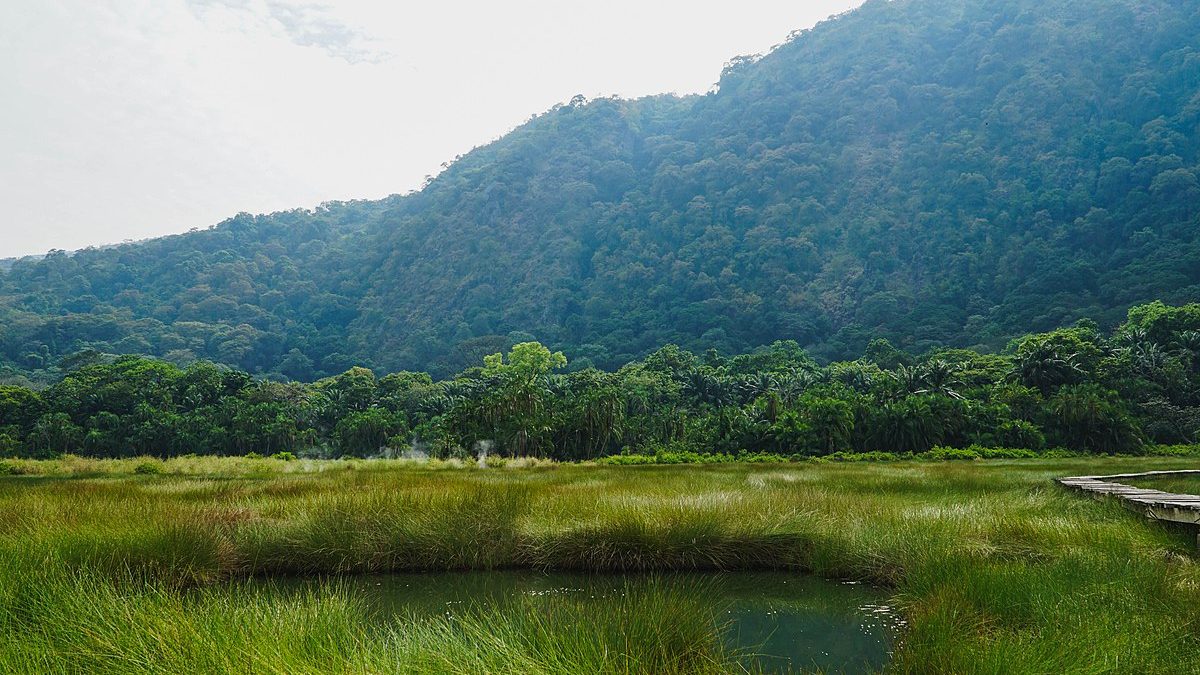

What is needed to work in a Safari Lodge. Imagine waking up to the sound of chimpanzees calling across the forest, serving breakfast on a deck overlooking the savannah, or welcoming guests back from a gorilla trek with a hot towel and a warm smile. Working in a safari lodge is one of the most exciting careers in Uganda’s tourism industry. Lodges near Bwindi, Queen Elizabeth, Murchison Falls, Kibale, Kidepo and Lake Mburo employ thousands of people in a wide variety of roles.
But what is needed to work in a safari lodge? In this guide, the team at Uganda Tourism Institute explains the jobs available, the qualifications and skills lodges look for, the training that helps you stand out, what lodge life is really like, the documents you need and how to get hired. Whether you are an S4 leaver, a hospitality graduate or an experienced hotel worker ready for an adventure, this guide will help you prepare.
What Is a Safari Lodge?
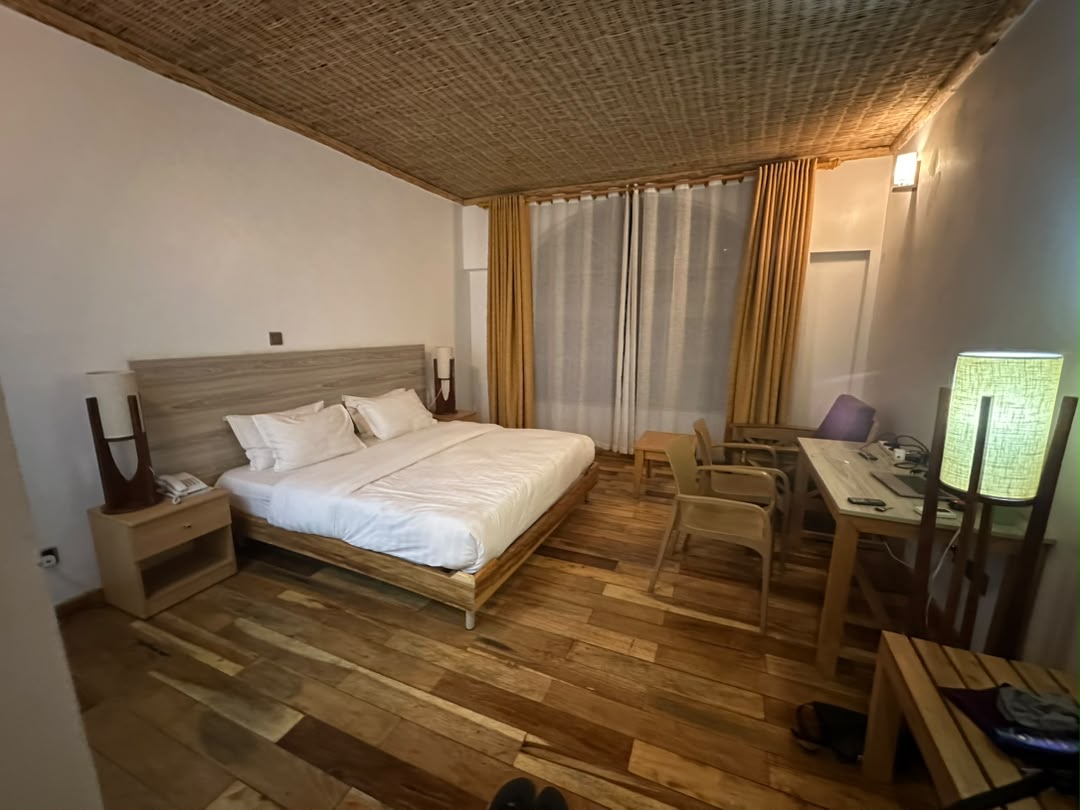
A safari lodge is accommodation located in or near a national park or wildlife area, designed for guests on safari. Lodges range from simple eco-camps and tented camps to luxury properties with spas, infinity pools and fine dining. Most offer accommodation, meals, drinks and guest services, and many also organise activities such as game drives, nature walks, boat trips, birding and cultural visits.
Because lodges are often remote, they operate like small self-contained communities. Staff typically live on site or nearby, working together to deliver a seamless guest experience from early morning until late at night.
Why Work in a Safari Lodge?
Lodge work offers rewards that few other jobs can match:
- Unique surroundings: Work in some of Africa’s most beautiful landscapes, surrounded by wildlife.
- International guests: Meet travellers from around the world and build cross-cultural skills.
- Accommodation and meals: Many lodges provide staff housing and food, reducing your living costs.
- Tips and service charge: Lodge guests often tip generously, adding to your income.
- Career growth: Hard-working staff can rise quickly from entry-level roles to supervisory and management positions.
- Transferable skills: Lodge experience is valued by hotels, resorts and cruise lines worldwide.
Our article on how tourism is creating jobs for youth in Uganda shows how lodges contribute to employment across the country.
Where Are Uganda’s Safari Lodges?
Safari lodges are found across Uganda, each region offering a different working environment:
- Bwindi Impenetrable and Mgahinga (southwest): Forest lodges serving gorilla trekkers, often on misty hillsides with cool temperatures.
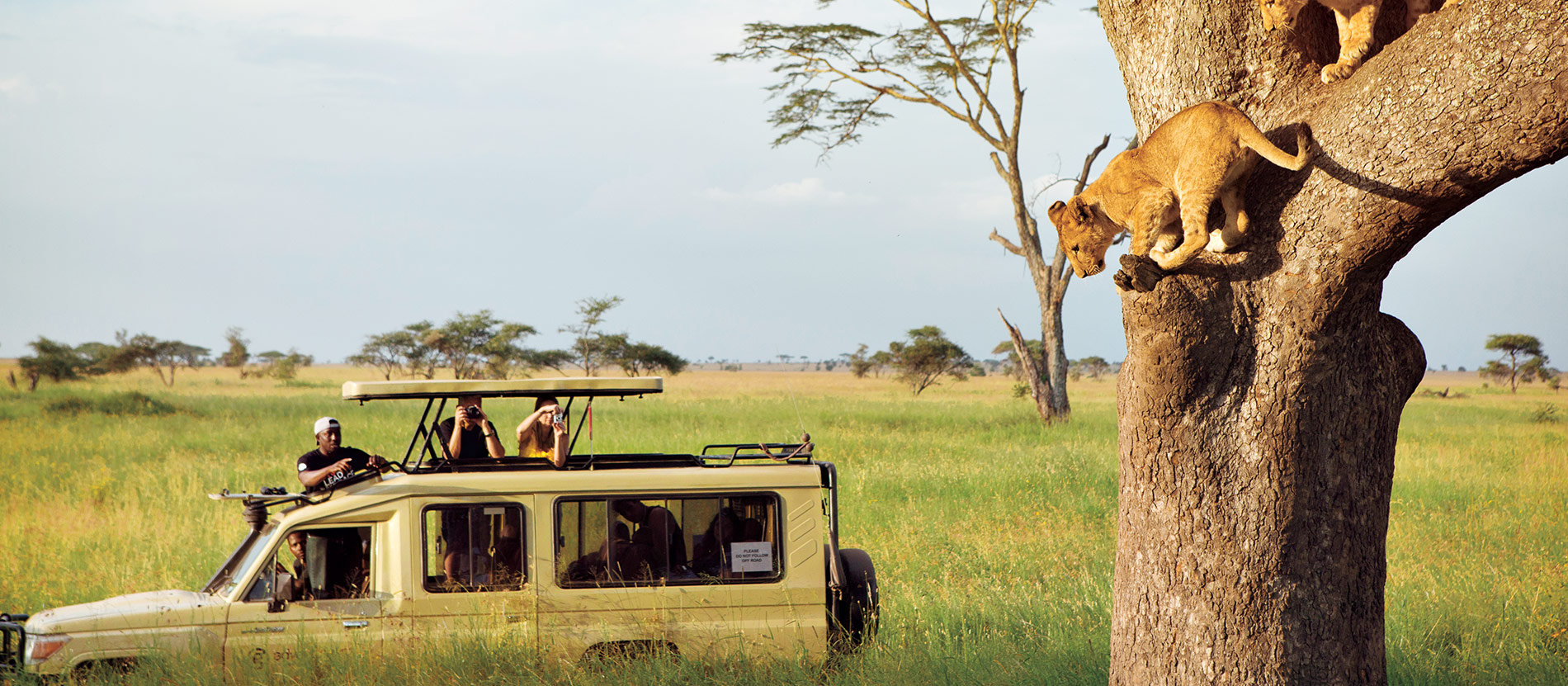
- Queen Elizabeth National Park (west): Savannah lodges near the Kazinga Channel and Ishasha, famous for tree-climbing lions.
- Kibale Forest and Fort Portal (west): Lodges near chimpanzee trekking areas and crater lakes.
- Murchison Falls (northwest): Riverside lodges along the Nile, close to the dramatic falls.
- Kidepo Valley (northeast): Remote, exclusive lodges in one of Africa’s wildest parks.
- Lake Mburo (southwest): Smaller lodges and camps close to the Kampala–Mbarara road.
- Jinja and the Nile: Adventure lodges serving rafting and kayaking guests.
Each location has its own climate, wildlife, guests and lifestyle. When applying, think about which environment suits you best.
Types of Jobs in a Safari Lodge
Safari lodges employ people in many departments. Understanding these roles helps you choose the right training.
Front office and guest relations: Receptionists, guest relations officers and reservations staff welcome guests, manage check-ins and check-outs, handle bookings and answer questions.
Housekeeping: Room attendants, laundry staff and housekeeping supervisors keep rooms, tents and public areas spotless.
Food and beverage service: Waiters, waitresses, bartenders and restaurant supervisors serve meals and drinks, often in beautiful outdoor settings.
Kitchen: Chefs, cooks, pastry chefs and kitchen assistants prepare meals for guests and staff, often with limited supplies and creative menus.
Guiding and activities: Lodge guides lead nature walks, game drives, birding excursions and cultural visits.
Maintenance and grounds: Technicians, electricians, plumbers, gardeners and security staff keep the lodge running safely.
Management and administration: Lodge managers, assistant managers, accountants, storekeepers and HR staff oversee operations.
Spa and wellness: Upmarket lodges employ massage therapists and spa attendants.
Drivers: Some lodges employ drivers for airstrip transfers and activities.
Requirement 1: Basic Education
Most entry-level lodge jobs require at least an O-Level (UCE) education or equivalent. Supervisory and management roles often require a certificate, diploma or degree in hospitality or tourism. Good English is essential, since most guests communicate in English.
If you are still in school or have just completed S4 or S6, read our guides on whether you can study tourism after S4 in Uganda and our overview of tourism courses after S4 and S6.
Requirement 2: Hospitality or Tourism Training
While some lodges train staff on the job, formal training gives you a strong advantage. Lodges prefer candidates who already understand service standards, hygiene, safety and professional conduct. Training also shows commitment and makes it easier to progress.
Useful qualifications include:
- Certificate in Tourism and Hospitality Management for a broad foundation.
- Hotel and hospitality management courses for front office, housekeeping and food and beverage roles.
- Culinary courses for kitchen positions.
- Tour guiding courses for lodge guide positions.
- Diploma in Tourism or Hospitality Management for supervisory and management roles.
Explore your options on our Our Courses page, and see our Diploma in Tourism Management in Uganda guide. For entry requirements in hospitality, read hotel management course requirements in Uganda. You can also compare programmes such as KCI Institute’s tourism and hospitality course in Uganda.
Requirement 3: Excellent Customer Service Skills
Customer service is the heart of lodge work. Guests travel long distances and pay significant amounts for their safari, and they expect warm, attentive and professional service at every moment. Lodge staff need to:
- Greet guests warmly and remember their names and preferences.
- Anticipate needs before guests ask.
- Handle complaints calmly and find solutions quickly.
- Communicate clearly and politely with guests from different cultures.
- Maintain a positive attitude even during long, busy days.
Many guests remember lodge staff long after their trip. Excellent service leads to glowing reviews, repeat bookings and generous tips.
Requirement 4: Communication and Language Skills
Good spoken English is essential for almost every guest-facing role. Additional languages are a major advantage, especially French, German, Spanish, Italian and Chinese. Staff who can greet guests in their own language and assist them confidently stand out immediately and often earn promotions faster.
Language skills can be built alongside your hospitality training. Options include KCI Institute’s language courses.
Requirement 5: Teamwork and Adaptability
Lodges operate with small teams in remote locations. Everyone depends on everyone else. When a supply truck is delayed, a generator fails or a large group arrives early, staff must pull together, solve problems and keep guests happy. Lodges look for people who are:
- Cooperative and willing to help colleagues in other departments.
- Flexible about shifts, tasks and unexpected situations.
- Calm and positive under pressure.
- Respectful of colleagues from different backgrounds.
Requirement 6: Hygiene, Health and Safety Knowledge
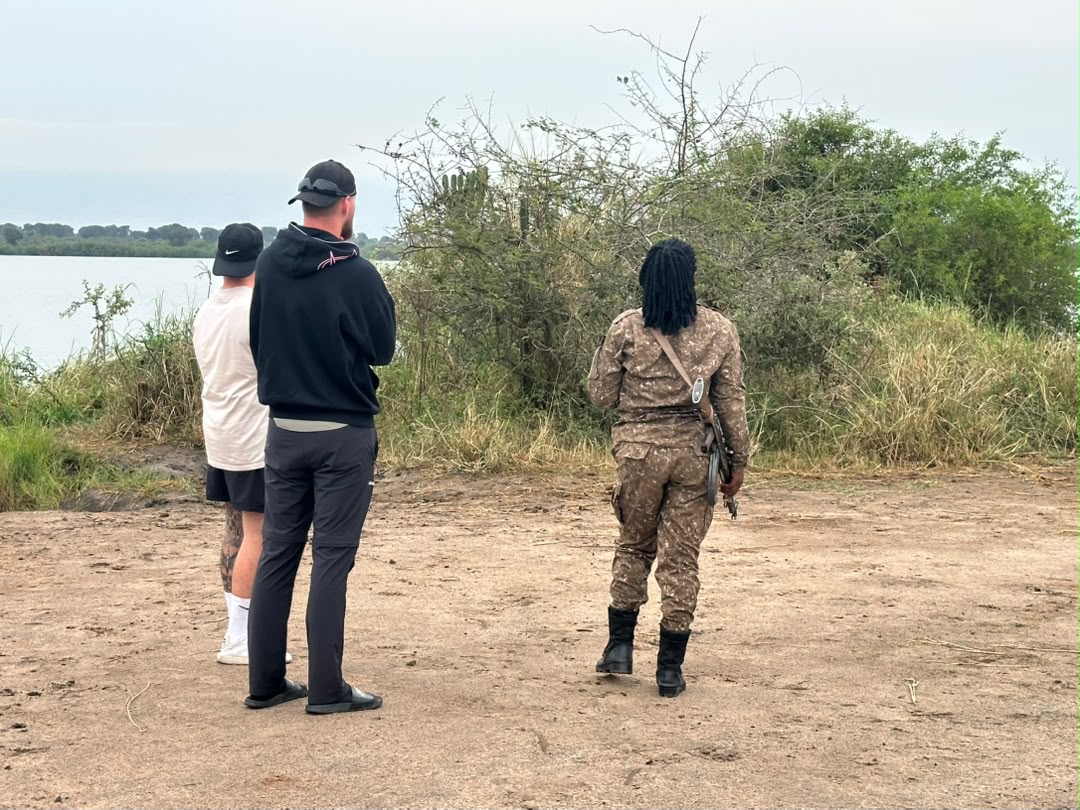
High hygiene standards are critical in lodges, especially in kitchens, restaurants and housekeeping. Staff must understand food safety, cleaning procedures and personal hygiene. Safety knowledge is also important, including fire safety, first aid and how to behave around wildlife, since animals sometimes wander through lodge grounds.
First aid training is particularly valuable for guides, managers and staff working in remote areas. Many lodges also require food handlers to have medical certificates.
Requirement 7: Wildlife and Destination Knowledge
Even if you do not work as a guide, guests will ask you about animals, birds, the park, local culture and activities. Staff who can answer confidently add enormous value. Learn about the national park where your lodge is located, the common wildlife, the activities offered and the history and culture of the surrounding communities.
For lodge guides, deep knowledge is essential. Read our guides on how to become a good tour guide and how to become a Uganda Wildlife Authority (UWA) guide. KCI Institute’s article on what is needed to become a tour guide also offers useful insights.
Requirement 8: Professional Appearance and Conduct
Lodges represent premium experiences, and staff appearance and behaviour reflect the brand. Employers expect:
- Neat grooming and clean uniforms.
- Punctuality for every shift.
- Honesty and integrity, especially when handling guests’ belongings and money.
- Discretion and respect for guest privacy.
- Professional behaviour on and off duty, since staff often live on site.
Requirement 9: Physical Fitness and Resilience
Lodge work can be physically demanding. Housekeeping involves lifting and cleaning, food and beverage staff are on their feet for long shifts, kitchen teams work in hot conditions and guides walk long distances. Shifts may begin before dawn and end late at night. Good health, stamina and resilience help you thrive.
Requirement 10: Willingness to Live Remotely
This is one of the most important requirements and one that many applicants underestimate. Safari lodges are usually far from towns, with limited shopping, entertainment, internet and transport. Staff may spend weeks at the lodge before taking leave, and family visits can be difficult.
Practical preparation helps. Bring essentials such as toiletries, medication, a torch, warm clothing for cool evenings and reading material or downloaded entertainment for your free time. Save some money for emergencies, and keep in touch with family through scheduled calls when the lodge’s connection allows. Ask yourself honestly whether you can enjoy a quieter life close to nature, with a small community of colleagues. Those who embrace remote living often find it deeply rewarding; those who struggle with isolation may find it challenging.
Requirement 11: Practical Experience
Experience greatly improves your chances of being hired. Ways to gain it include:
- Internships and industrial attachments during your training, ideally at a lodge or hotel.
- Working in town hotels, restaurants or guesthouses before moving to a lodge.
- Seasonal or temporary positions during peak safari months.
- Volunteering with community tourism or conservation projects near parks.
Our guide on how to get your first tourism job in Uganda with no experience explains how to turn training and internships into job offers.
Requirement 12: Documents for Lodge Job Applications
Prepare these documents before applying:
- A professional CV highlighting hospitality training, experience and skills.
- A short, personalised cover letter for each lodge.
- Academic and training certificates.
- National ID or passport.
- Reference letters from trainers, internship supervisors or previous employers.
- Medical certificate, especially for food handlers.
- First aid certificate, if you have one.
- Driving permit, for driver or guide roles.
- Recent passport photographs.
Ugandans interested in lodge work in neighbouring countries also need a valid passport and appropriate work documents. See our article on tourism jobs in Rwanda, Kenya and Tanzania.
Skills Needed for Specific Lodge Roles
| Role | Key Skills and Training |
|---|---|
| Receptionist / Guest relations | Customer service, booking systems, communication, languages |
| Room attendant / Housekeeping | Cleaning standards, attention to detail, laundry, hygiene |
| Waiter / Bartender | Food and beverage service, menu and drinks knowledge, hygiene |
| Chef / Cook | Culinary training, food safety, creativity, kitchen management |
| Lodge guide | Guiding training, wildlife knowledge, first aid, communication |
| Maintenance technician | Electrical, plumbing, solar and generator skills |
| Lodge manager | Hospitality management, leadership, finance, problem-solving |
What Is Daily Life Like in a Safari Lodge?
Lodge days revolve around guest activities. Many guests leave before sunrise for game drives or gorilla treks, so kitchen and front office teams start very early, preparing breakfast and packed lunches. During the day, housekeeping teams prepare rooms, restaurants serve lunch, and maintenance teams handle repairs. Evenings are often the busiest time, with sundowners, dinner service and guest conversations around the campfire.
Staff usually work shifts and rotate days off. Many lodges operate on rotation systems, for example several weeks on duty followed by a period of leave. Staff housing, meals and shared facilities create a close-knit community. It is hard work, but surrounded by wildlife and stunning scenery, many staff describe it as a lifestyle rather than just a job.
Sustainability and Responsible Lodge Practices
Today’s safari guests care deeply about sustainability. Many lodges use solar power, harvest rainwater, reduce plastic, grow vegetables and source food from local farmers. They also employ people from nearby communities and support schools, clinics and conservation projects.
Staff who understand and support these practices are highly valued. Learn how your lodge saves energy and water, manages waste and supports local communities, and be ready to explain these efforts to guests. Responsible tourism is not only good for the planet; it is also a powerful selling point that helps lodges attract more guests and keep staff employed.
How Much Can You Earn in a Safari Lodge?
Pay varies by lodge, location, role and experience. Entry-level positions usually start with modest salaries, but many lodges provide accommodation, meals and uniforms, which significantly reduces living costs. Service charge and tips from guests can add meaningfully to income, especially in upmarket lodges.
Supervisors, experienced chefs, senior guides and managers earn considerably more. Staff who show reliability, learn new skills and take on responsibility can advance quickly. Many lodge managers began their careers as waiters, receptionists or room attendants.
How to Find Safari Lodge Jobs
- Apply directly to lodges by email, through their websites or by delivering your CV in person.
- Follow lodge companies on social media and LinkedIn, where vacancies are often posted.
- Use your training institution’s industry contacts and job placement support.
- Network with former classmates, trainers and people already working in lodges.
- Check job boards and tourism industry groups.
- Turn your internship into a job by impressing supervisors during your attachment.
For more advice on careers after training, read job opportunities after completing a tourism course. Some institutions also publish openings; for example, KCI Institute shares job opportunities on its website.
Common Mistakes When Applying for Lodge Jobs
- Sending the same generic CV to every lodge: Tailor your application to each property.
- Ignoring the remote location: Employers want to know you understand and accept lodge life.
- Weak references: Ask trainers and internship supervisors for strong letters early.
- Unprofessional email addresses and social media: Employers often check online profiles.
- Not following up: A polite follow-up message shows genuine interest.
Interview Tips for Lodge Jobs
- Research the lodge: Know its location, style, activities and the park it serves.
- Dress professionally: First impressions matter in hospitality.
- Show enthusiasm for remote living: Employers want staff who will stay and thrive.
- Give examples of great service: Describe times you helped a customer or solved a problem.
- Highlight teamwork: Lodges need team players.
- Ask thoughtful questions about training, rotation schedules and career growth.
- Bring copies of your documents, including certificates and references, neatly organised in a folder.
- Follow up with a thank-you message after the interview to show professionalism and keep yourself in the employer’s mind.
Growing Your Career: From Lodge Staff to Lodge Owner
Lodge experience provides an excellent foundation for long-term careers. Many staff progress to supervisory roles, move to larger lodge groups, work in international hotels or resorts, or take management positions. Others use their knowledge to start their own businesses, such as guesthouses, eco-camps, restaurants or tour companies.
If entrepreneurship interests you, read our guides on how to start a tourism company in Uganda, what is needed to get a Uganda Tourism Board licence and restaurant entrepreneurship: from your kitchen to your own business. Specialist niches, such as those discussed in our article on reptile and amphibian tourism in Uganda, can also inspire unique lodge experiences.
Choosing the Right Training for Lodge Work
When choosing a course to prepare for lodge work, look for:
- Recognised qualifications assessed by the relevant national bodies.
- Strong practical training in front office, housekeeping, food and beverage and kitchen operations.
- Internship placements with lodges and hotels.
- Trainers with real hospitality and lodge experience.
- Flexible schedules, including online or blended options.
To compare programmes, fees and admissions, you can review examples such as KCI Institute’s course list, certificate in tourism, fee structure and admissions page. For distance study, see its guide to online tourism courses in Uganda.
FAQ: Do I Need a Qualification to Work in a Safari Lodge?
Some entry-level roles accept basic education with on-the-job training, but a hospitality or tourism qualification greatly improves your chances and career prospects.
FAQ: Do Safari Lodges Provide Accommodation?
Many do, because lodges are often remote. Staff housing and meals are common benefits, but check with each employer.
FAQ: Can I Work in a Lodge After S4?
Yes, especially after completing a short course or certificate in hospitality or tourism.
FAQ: Which Lodge Jobs Are Most in Demand?
Skilled chefs, experienced front office staff, multilingual guest relations officers, guides and supervisors are frequently sought after.
FAQ: Is Lodge Work Suitable for Women?
Absolutely. Women work successfully in every lodge department, from guiding and kitchens to management.
FAQ: How Long Do Lodge Staff Usually Stay on Duty Before Leave?
It depends on the lodge. Many use rotation systems, such as several weeks on duty followed by a block of leave, while others give regular weekly days off. Ask about the schedule during your interview so you can plan for family and personal commitments.
FAQ: Can I Move from a Town Hotel to a Safari Lodge?
Yes. Experience in town hotels, restaurants and guesthouses is highly relevant. Many lodge employers value candidates who have already worked in busy hospitality environments and understand service standards. Highlight that experience and show enthusiasm for remote living when you apply.
Start Your Safari Lodge Career Today
So, what is needed to work in a safari lodge? A basic education, recognised hospitality or tourism training, excellent customer service, strong communication, teamwork, hygiene and safety knowledge, a professional attitude, practical experience and a genuine willingness to live and work close to nature. With these qualities, you can build an exciting career in one of Uganda’s most rewarding workplaces.
At Uganda Tourism Institute, we prepare students for careers in lodges, hotels and tour companies across Uganda and beyond. Explore our courses, read more career guides on our website and contact our admissions team to begin your journey towards a safari lodge career. For further information on vocational training in Uganda, visit KCI Institute.