
Tour Guiding Course in Uganda. Every unforgettable safari has one thing in common: a great guide. The person who spots the leopard in the tree, explains how a gorilla family works, names the bird calling in the forest and keeps everyone safe and smiling is the heart of the visitor experience. If you dream of becoming that person, a tour guiding course in Uganda is your first step.
At Uganda Tourism Institute, we train guides who are knowledgeable, confident and ready to work with tour operators, lodges and national parks. In this guide, we explain exactly what a tour guiding course covers, module by module, the field trips you can expect, how long the course takes, entry requirements, costs, assessment and the careers it opens. Whether you have just finished school or want to change careers, this article will help you decide if tour guiding is right for you.
Why Study Tour Guiding in Uganda?
Uganda is one of the most exciting places in Africa to become a guide. The country is home to nearly half of the world’s mountain gorillas, thousands of chimpanzees, Big Five savannah parks, more than 1,000 bird species, the source of the Nile, the snow-capped Rwenzori Mountains and over 50 ethnic groups with rich traditions. That diversity creates constant demand for skilled guides who can bring each experience to life.
Tour companies regularly look for trained guides to lead trips such as gorilla treks, game drives, birding safaris and cultural tours. Operators like Kenlink Tours, which run a wide range of Uganda safari packages, depend on guides who combine expert knowledge with excellent people skills.
Studying here also means learning in the field, not only in the classroom. Your training can take you to wetlands, forests and national parks where you practise real guiding with real wildlife. To understand why so many students choose Uganda, read Uganda as the best country to study tourism courses.
Who Should Take a Tour Guiding Course?
A tour guiding course is ideal for school leavers who love nature and people, working adults seeking a career change, hospitality staff who want to move into guiding, drivers who want to become driver-guides, and international students who want to study in one of Africa’s best wildlife destinations. If you enjoy the outdoors, love learning, communicate well and like helping others, guiding could be the perfect fit. Students considering options across the region can also compare the best hospitality schools in East Africa.
What Does a Tour Guide Do?
Tour guides lead visitors through attractions and share knowledge in an engaging, accurate and safe way. In Uganda, a guide’s day might include:
- Welcoming guests at the airport or hotel and briefing them on the trip
- Leading game drives, nature walks, primate treks or city tours
- Spotting and identifying animals, birds and plants
- Explaining history, culture, conservation and local customs
- Managing timings, logistics, park permits and lodge check-ins
- Keeping guests safe and handling emergencies calmly
- Solving problems, from flat tyres to dietary needs
A tour guiding course prepares you for all of these responsibilities. For a deeper look at personal qualities, read our guide on how to become a good tour guide.
What You Will Learn: Tour Guiding Course Modules
Course content varies by institution and level, but a strong tour guiding programme in Uganda typically covers the following modules.
Module 1: Introduction to Tourism and the Guiding Profession
You begin by understanding how the tourism industry works, the role of tour operators, lodges, government bodies and guides, and the qualities that make a professional guide. This module also covers professional ethics, grooming, punctuality and the standards expected by employers and guests.
Module 2: Uganda’s Tourist Attractions and National Parks
Guides must know their country inside out. You study Uganda’s national parks, wildlife reserves, forests, lakes, mountains, cultural sites and cities, including what makes each special, how to reach them and which activities they offer. This knowledge helps you plan itineraries and answer guests’ questions with confidence.
Module 3: Wildlife, Ecology and Animal Behaviour
This module covers Uganda’s mammals, reptiles and insects, including identification, behaviour, ecology and conservation status. You learn to read animal signs such as tracks and dung, understand predator-prey relationships and explain ecosystems in a way guests can easily understand.
Module 4: Birding and Ornithology
With more than 1,000 bird species, Uganda is a birding paradise, and many international visitors come specifically to watch birds. You learn bird identification by sight and sound, how to use field guides and binoculars, key birding sites and how to lead birdwatching groups. Strong birding skills can open doors to specialised tours such as a 7-day birdwatching safari in Uganda.
Module 5: Primates and Primate Trekking
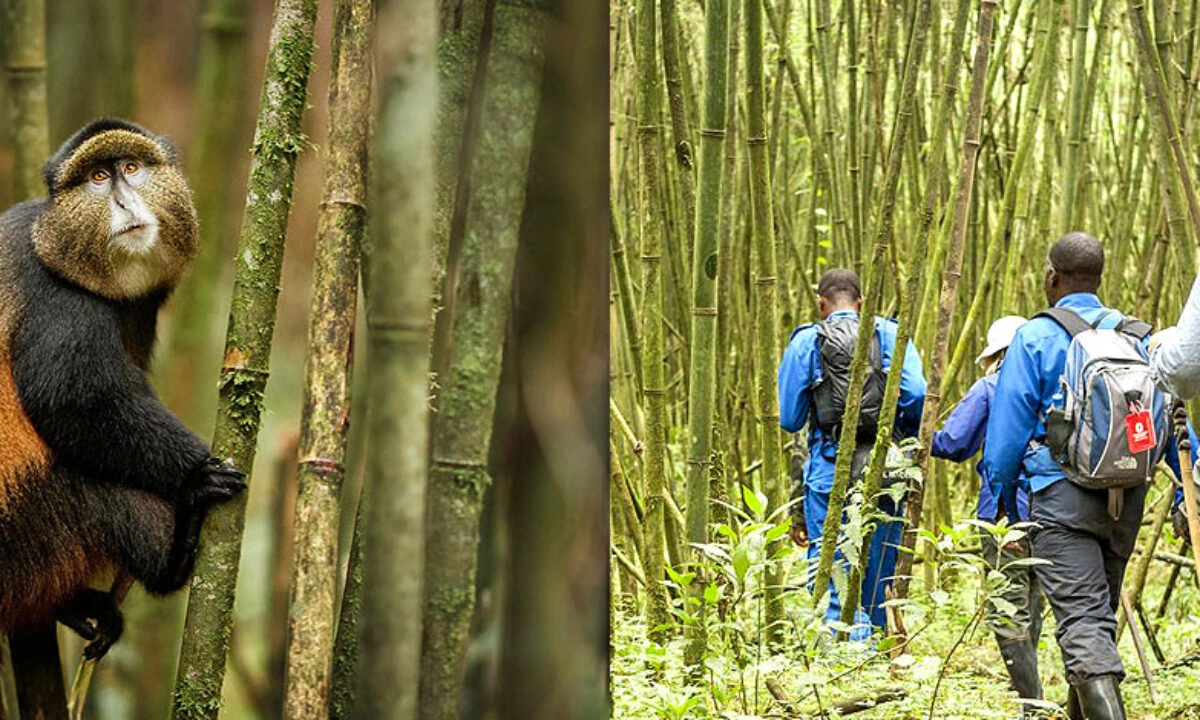
Gorilla and chimpanzee trekking are among Uganda’s biggest attractions. This module covers primate species, behaviour, habituation, conservation and trekking rules, preparing you to brief guests before treks such as a 3-day Uganda gorilla safari.
Module 6: Plants, Trees and Botany
Guests are often fascinated by trees, flowers and medicinal plants. You learn to identify common plant species, their ecological roles and traditional uses, adding depth to nature walks and forest treks.
Module 7: Ugandan History, Culture and Heritage
From the ancient kingdoms of Buganda, Bunyoro and Ankole to colonial history, independence and modern Uganda, you learn the stories behind the places you visit. You also study the customs, languages, foods, music and traditions of different communities so you can interpret culture respectfully and accurately.
Module 8: Guiding Techniques and Interpretation
Knowing facts is not enough; a great guide must also be a great storyteller. This module teaches interpretation techniques, public speaking, group management, positioning, voice projection and how to tailor your commentary for different audiences, from children to researchers.
Module 9: Customer Care and Communication
You learn how to deliver excellent service, handle complaints, manage guest expectations, communicate across cultures and build lasting relationships that lead to great reviews and repeat business.
Module 10: Tour Planning, Itineraries and Logistics
Guides often help plan trips. This module covers itinerary design, distances and travel times, park permits, accommodation, budgeting and coordination with drivers, lodges and offices.
Module 11: First Aid, Safety and Risk Management
Guest safety is a guide’s top responsibility. You learn basic first aid, how to respond to emergencies, wildlife safety rules, safe vehicle and boat practices and how to assess and reduce risks on every trip.
Module 12: Conservation, Sustainable Tourism and Ethics
Guides are ambassadors for conservation. You study how tourism supports wildlife protection and local communities, responsible guiding practices, and how to encourage guests to travel sustainably.
Module 13: Foreign Languages for Guiding
Guides who speak French, German, Spanish, Italian or Chinese are highly sought after. Many programmes include an introduction to at least one foreign language, and you can strengthen this skill with dedicated language courses at KCI Institute.
Module 14: ICT and Digital Skills for Guides
Modern guides use smartphones, GPS, booking apps, email and social media. You learn practical digital skills, from navigation and photography to promoting your services online.
Field Trips and Practical Training
Practical training is what turns knowledge into real guiding skill. A good tour guiding course includes field trips where you practise guiding in real settings. Depending on the programme, field trips may include:
- Wildlife education centres and botanical gardens in Entebbe for animal and plant identification
- Wetlands such as Mabamba Swamp for birding, including the chance to see the shoebill
- Kampala’s cultural and historical sites for city guiding practice
- Forests such as Mabira for nature walks and forest birding
- National parks such as Lake Mburo or Murchison Falls for game drive guiding
- Community and cultural sites for cultural interpretation
During these trips, students take turns guiding classmates while trainers give feedback. This builds confidence and prepares you for the real world.
A Day in the Life of a Tour Guiding Student
A typical day on a tour guiding course mixes theory, practice and plenty of discussion. Mornings might begin with a classroom session on Uganda’s primates or the history of the Buganda kingdom, followed by a bird identification exercise using field guides and recorded calls.
After lunch, students often practise guiding presentations, taking turns to “guide” the class through a topic while trainers and classmates give feedback on knowledge, voice, body language and engagement. Some afternoons are dedicated to first aid drills, map reading or designing itineraries for imaginary clients.
On field trip days, students rise early, pack binoculars and notebooks and head out to a wetland, forest or park. These days are often the highlight of the course, as students spot wildlife, practise commentary in real settings and begin to feel what life as a guide is really like.
Internships for Tour Guiding Students
Internships allow you to work alongside experienced guides with real guests. You might assist on game drives, help with airport pick-ups, support office planning and learn how a tour company runs day to day. Many students are hired by their internship employers after graduating.
Programmes such as the tourism internship in Uganda with Kenlink Tours give students hands-on experience on real safaris and with companies that also run group tours and custom trips.
How Long Does a Tour Guiding Course Take?
- Short course: A few weeks to about five months, focusing on core guiding skills.
- Certificate: About one year, with broader knowledge and a short internship.
- Diploma: About two years, with advanced modules, longer internships and specialisations.
Becoming a highly skilled guide also takes field experience after graduation. For a full breakdown of course lengths, read our guide on how to learn tourism courses in Uganda, and check our intakes page for upcoming start dates.
Entry Requirements
- Short courses: Usually open to anyone with basic literacy, good English and a passion for nature and people.
- Certificates: Commonly require completion of Senior Four (UCE) or equivalent.
- Diplomas: Commonly require Senior Six (UACE) or a relevant certificate.
Good spoken English, a friendly personality, physical fitness for walking and trekking, and a genuine interest in wildlife and culture are just as important as academic qualifications. If you are wondering whether you can start straight after O-Level, read Can I study tourism after S4 in Uganda? and see the KCI Institute admission page.
How You Will Be Assessed
Tour guiding courses usually combine several types of assessment:
- Written tests and exams on wildlife, attractions, history and theory
- Practical guiding assessments, where you lead a group and are evaluated on knowledge, delivery and safety
- Field identification tests for animals, birds and plants
- Assignments and projects, such as designing a full itinerary
- Internship reports and employer evaluations
Some programmes are assessed by the Uganda Vocational and Technical Assessment Board (UVTAB), giving you a nationally recognised qualification. You can browse the UVTAB courses at KCI Institute.
How Much Does a Tour Guiding Course Cost?
Fees depend on the course level, duration, field trips and materials. Short courses are the most affordable, while certificates and diplomas cost more because they run longer and include internships and more field training. Additional costs may include registration, uniforms, field guides, binoculars and transport for trips.
For a detailed breakdown, read tourism course fees in Uganda: what to budget for and check the KCI Institute fee structure. We offer flexible payment plans to make training accessible.
Types of Tour Guides You Can Become
Safari guide: Leads game drives and wildlife experiences in national parks.
Driver-guide: Drives guests across the country while guiding. This requires a valid driving licence and 4×4 experience. Tour companies with fleets for safari car hire in Uganda often hire driver-guides. Read how to become a tour driver in Uganda.
Birding guide: Specialises in finding and identifying birds for keen birdwatchers.
Primate guide: Focuses on gorilla and chimpanzee trekking experiences.
Cultural and city guide: Leads tours of Kampala, historical sites and cultural communities.
Mountain and adventure guide: Guides hikes, climbs and adventure activities, often requiring additional specialised training.
Lodge guide: Works at a safari lodge leading walks, drives and activities for guests.
Freelance guide: Experienced guides often work independently for multiple tour companies or start their own businesses.
Career Opportunities After a Tour Guiding Course
Graduates can work for tour operators, travel agencies, safari lodges, hotels, conservation organisations, community tourism projects and government bodies. With experience, guides can progress to senior guide, operations manager, trainer or tour company owner.
Read our full guide to tourism careers in our tourism career articles, learn what is needed to work in a safari lodge, and see current openings on the KCI Institute careers page.
Professional Associations for Tour Guides in Uganda
Once you qualify, joining a professional association helps you grow your network, access further training and gain credibility with employers. The Uganda Safari Guides Association (USAGA) supports and promotes professional guides, offers training and assessments, and connects guides with tour operators. Guides working inside national parks also follow the rules and standards set by the Uganda Wildlife Authority.
Membership in recognised associations shows employers that you are committed to professional standards and continuous learning, and it can help you find work, especially as a freelance guide.
How Much Do Tour Guides Earn in Uganda?
Tour guide earnings vary depending on experience, qualifications, language skills, employer and season. Newly trained guides usually start with modest pay, often supplemented by tips from guests and allowances for meals and accommodation while on safari. Experienced guides, particularly those who speak foreign languages or specialise in birding, primates or luxury travel, can earn considerably more and are often in high demand during peak seasons.
Building a strong reputation through excellent service and positive guest reviews is one of the best ways to increase your income over time. Adding skills such as marketing, which you can gain through a short course in marketing in Uganda, can also help you attract clients directly if you go freelance.
Skills That Make an Outstanding Tour Guide
- Deep knowledge of wildlife, birds, plants, history and culture
- Excellent storytelling and public speaking
- Friendliness, patience and genuine care for guests
- Sharp observation and spotting skills
- Calm problem-solving under pressure
- Strong safety awareness and first aid knowledge
- Good time management and organisation
- Language skills and cultural sensitivity
- Physical fitness for long days, walks and treks
- A passion for conservation and lifelong learning
Tips to Succeed During Your Tour Guiding Course
Read and research widely: Go beyond class notes. Read field guides, wildlife books and travel articles, and watch nature documentaries to deepen your knowledge.
Practise speaking every day: Explain facts about animals or places to friends and family. The more you practise, the more natural and confident your guiding will become.
Keep a field notebook: Record every bird, animal and plant you identify, along with interesting facts and stories you can share with future guests.
Invest in binoculars: A good pair of binoculars is a guide’s most important tool. Start using them early so spotting becomes second nature.
Learn from hospitality too: Guides work closely with lodges and hotels. Understanding hospitality standards, as covered in hospitality management courses in Uganda, helps you deliver seamless guest experiences.
Make the most of internships: Arrive early, ask questions, volunteer for tasks and treat every guest interaction as a learning opportunity. Your internship may become your first job.
How to Choose the Best Tour Guiding Course
When comparing schools, look for recognised qualifications, plenty of field trips and practical guiding, experienced trainers, strong links with tour companies for internships, flexible study options and affordable fees. For a comparison of schools, see our article on the best tour guiding courses in Uganda, as well as the best tourism institute in Uganda and the best tourism schools within Kampala.
Why Study Tour Guiding at Uganda Tourism Institute?
Practical, field-based training: Our course emphasises real guiding practice in wetlands, forests, parks and cultural sites.
Experienced trainers: Learn from guides and tourism professionals with years of field experience.
Industry connections: Partnerships with tour companies and lodges create internship and job opportunities.
Flexible options: Choose short courses, certificates or UVTAB-assessed programmes, with online and in-person study.
Affordable fees: Competitive pricing and flexible payment plans make quality training accessible.
Learn more on our About Us page, explore our sister institution on the KCI Institute About Us page, or read KCI Institute in Uganda: courses, fees and how to enrol. Students can also see how a working tour company operates on the Kenlink Tours About Us page.
Frequently Asked Questions
How long is a tour guiding course in Uganda?
Short courses take a few weeks to about five months, certificates about one year and diplomas about two years.
Do I need a degree to become a tour guide?
No. Many successful guides start with a short course or certificate and build their careers through experience and further training.
Can I become a tour guide after Senior Four?
Yes. Short courses and many certificate programmes accept students who have completed Senior Four.
Is there a lot of practical training?
Yes. Good tour guiding courses include field trips, guiding practice and internships so you gain real experience before graduating.
Will I learn a foreign language?
Many programmes include an introduction to a foreign language, and you can take additional language courses to improve your career prospects.
How do I apply?
Apply online through our Apply Now page or via the KCI Institute application form.
Final Thoughts: Start Your Tour Guiding Course Today
A tour guiding course in Uganda opens the door to one of the most rewarding careers in tourism. You will learn about wildlife, birds, primates, culture and history, master the art of storytelling and gain the practical skills to lead guests safely through some of the most beautiful places on Earth. With dedication and experience, you can build a lifelong career sharing the wonders of the Pearl of Africa.
Ready to become a guide? Explore our tourism courses, read more on our blog, check the next intake and apply today. Your guiding journey starts at Uganda Tourism Institute.