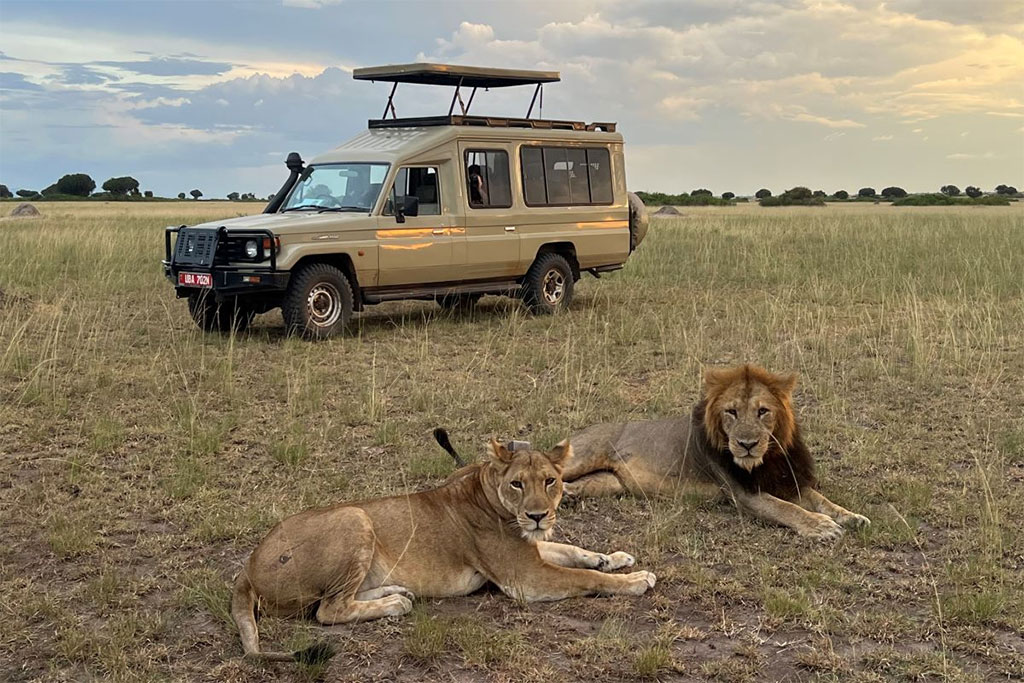

Best Tourism Training Institute in Uganda. Uganda is called the Pearl of Africa for good reason. Mountain gorillas, chimpanzees, tree-climbing lions, the source of the Nile, snow-capped mountains and more than fifty cultures make it one of the most exciting tourism destinations in the world. As visitor numbers grow, so does the demand for skilled tour guides, driver-guides, tour consultants, hotel staff and tourism managers. For young people and career changers, that means real opportunity, but only if you get the right training. Choosing the best tourism institute in Uganda is the first and most important step toward a successful tourism career.
With many schools advertising tourism courses, it can be hard to know which one will truly prepare you for work. In this guide, we explain what makes a tourism institute excellent, the questions to ask before you enrol, the courses you should expect, how much training costs and how long it takes. We also show why Uganda Tourism Institute, part of KCI Institute in Kampala, has become a trusted choice for students who want practical, recognised training that leads to jobs.
Why Your Choice of Tourism Institute Matters
Your training institute shapes your career in several ways. It determines the knowledge and skills you take into the field, the certificate on your CV, the connections you make with employers and, often, the company that offers you your first job. A strong institute produces graduates who are confident, professional and ready to work from day one. A weak one may leave you with a certificate but little practical ability, making it hard to compete for the best jobs.
Tour operators, hotels and lodges in Uganda increasingly look at where applicants trained. They know which schools provide field experience, which certificates are recognised and which graduates perform well. Choosing carefully can save you years of struggle and open doors much faster.
Why Now Is the Right Time to Train in Tourism
Uganda’s tourism industry has strong momentum. Government and private sector investment continues in roads, airports, accommodation and destination marketing, while new lodges, tour companies and activity operators open every year. Regional travel within East Africa is also growing, with more travellers combining Uganda with Rwanda, Kenya and Tanzania, and more Ugandans exploring their own country as domestic tourists.
All this growth creates demand for trained people. Employers regularly say they struggle to find staff who combine knowledge, practical skills and professionalism. Students who train now, at a quality institute, will be well placed to take advantage of these opportunities as the industry continues to expand. Tourism skills are also portable, so a good qualification can support a career at home, across the region or even overseas.
What Makes the Best Tourism Institute in Uganda?
Use the following criteria to compare tourism schools. The best institutes perform well on every point.
1. Recognised Accreditation and Assessment
Your certificate must be trusted by employers. In Uganda, vocational tourism and hospitality programmes are assessed by UVTAB (Uganda Vocational and Technical Assessment Board). UVTAB assessment means your skills are examined against national standards by an independent body, not only by the school. Before you pay any fees, ask the institute which body assesses its students and what certificate you will receive at the end of the course.
2. A Wide Range of Relevant Courses
Tourism is a broad industry, and your interests may change as you learn. The best institutes offer a range of programmes so you can specialise or add skills over time, including tour guiding, driving, tourism operations, hotel management, air ticketing, digital marketing and business management. Having several programmes under one roof also allows you to combine courses, for example tour guiding with a foreign language, or hospitality with digital marketing. You can explore which programmes lead to jobs in our guide to marketable tourism courses in Uganda.
3. Practical, Hands-On Training
Tourism is a practical profession. You cannot learn to guide a game drive, handle a hotel check-in or cost a safari only from textbooks. The best institutes combine classroom lessons with field trips, practical sessions, role plays and real-world exercises. Ask how many field trips are included, where they go and how much time students spend practising skills rather than listening to lectures.
4. Experienced Trainers from the Industry
Trainers who have worked as guides, tour consultants, hotel managers or operations staff bring practical knowledge, real stories and industry contacts into the classroom. They know what employers expect and can prepare you for the realities of the job. When visiting a school, ask about the background of the trainers who will teach you.
5. Strong Industry Connections and Internships
Internships are often the bridge between training and employment. The best tourism institutes have strong relationships with tour companies, hotels and lodges where students can complete internships and, in many cases, get hired. Institutes linked to working tourism businesses give students a unique view of real operations. Learn more in our article on internships and practical experience in tourism courses.
6. Flexible Study Options
Not everyone can attend full-time classes. Many students work, live outside Kampala or have family responsibilities. Top institutes offer flexible options such as day and weekend classes, online learning for theory modules and several intakes throughout the year, so you can start when you are ready.
7. Transparent, Affordable Fees
Good training is an investment, but fees should be clear, fair and free of hidden charges. The best schools explain exactly what is included, such as tuition, examination fees, field trips and materials, and offer instalment options where possible. A clear refund policy is also a sign of a trustworthy institution.
8. Good Facilities and Location
A convenient location with easy transport, comfortable classrooms, a library with current materials and practical training spaces all improve your learning experience. A Kampala location also gives students access to the city’s tour operators, hotels, airport connections and cultural sites. Compare options in our list of the best tourism schools within Kampala.
9. Proven Graduate Success
Ultimately, the best measure of a school is what its graduates achieve. Ask about former students: where are they working, how quickly did they find jobs, and what do they say about their training? Reviews and testimonials from real graduates are often more reliable than advertisements.
Questions to Ask Before Choosing a Tourism Institute
Take this checklist with you when you visit or call a school:
- Which body assesses your courses, and what certificate will I receive?
- How long is the course, and when is the next intake?
- How many field trips are included, and where do they go?
- Do you help students find internships and jobs?
- Who are the trainers, and what industry experience do they have?
- What is the total cost, and can I pay in instalments?
- Can I study part-time, on weekends or online?
- Can I add other skills, such as driving or a foreign language?
- Can I speak to former students?
If a school cannot give clear answers to these questions, consider looking elsewhere.
Warning Signs of a Poor Tourism School
Unfortunately, not every school that advertises tourism courses delivers quality training. Watch out for these warning signs:
- Unclear certification: The school cannot explain who assesses its courses or what certificate you will receive.
- No field trips: All learning happens in a classroom, with no practical exposure to parks, hotels or attractions.
- Hidden costs: Extra fees appear for examinations, field trips or certificates after you have enrolled.
- Unrealistic promises: Guarantees of overseas jobs or very high salaries immediately after a short course.
- No physical address: A school without a clear location, contacts or registration should be treated with caution.
- No graduate success stories: The school cannot point to former students who are working in the industry.
Taking time to check these points protects your money and ensures your training leads to real opportunities.
Courses You Should Expect at a Top Tourism Institute
A leading tourism institute in Uganda should offer programmes that match the main career paths in the industry. At Uganda Tourism Institute, students can choose from the following UVTAB-assessed programmes.
Tour Guiding and Driving Courses
These programmes prepare students to become professional tour guides and driver-guides, the most in-demand roles in Uganda’s road-based safari industry. Students learn wildlife and bird identification, Uganda’s parks and cultures, guiding techniques, customer care, safety and professional driving. Our Tour Guiding & Driving short course takes about four months, and the longer Driving & Tour Guiding programme runs for one to two years. Compare options in our review of the best tour guiding courses in Uganda.
Tourism Operations and Travel Management
For students who want office-based careers or plan to start their own tour company, the Tourism Operations short course (about four months) and the Tours & Travel Management programme (one to two years) teach itinerary design, costing, reservations, sales and tour management. Students study real safari products, such as the 3-Day Uganda Gorillas Safari and multi-country trips like tours combining Uganda and Rwanda, to understand how professional operators plan and price trips. Read more about the tour consultant course in Africa.
Hotel Management and Hospitality
Hospitality programmes prepare students for work in hotels, lodges, restaurants and resorts. Students learn front office, housekeeping, food and beverage service, kitchen operations, customer care and supervision. The Hotel Management and Hospitality short course takes about five months, and longer options are also available. See our guide to hospitality management courses in Uganda and our list of the best hospitality schools in East Africa.
Tourism and Hospitality
This broad programme gives students a foundation in both the tour and hotel sides of the industry, making it ideal for students who want flexibility in their career choices.
Air Ticketing
A short, focused course of about two months that prepares students for work in travel agencies, airline offices and corporate travel departments, where they issue tickets, manage reservations and advise travellers.
Digital Marketing, Business and ICT
Tourism businesses need people who can market tours online, manage social media and run businesses professionally. Programmes in digital marketing, business administration, human resource management and ICT complement tourism training and open more career options.
Languages
Guides and hospitality staff who speak foreign languages are in high demand. Students can add French, German or other languages through the KCI language courses.
See the full list of programmes and durations on our courses page and on the KCI Institute UVTAB courses page.
Why Students Choose Uganda Tourism Institute
Uganda Tourism Institute is part of KCI Institute, a career-focused training provider established in 2009 and located on Gayaza Road in Kampala. Here is why so many students choose us for their tourism education.
Nationally Recognised UVTAB Certificates
All our core tourism and hospitality programmes are assessed by UVTAB, so graduates receive certificates that are recognised across Uganda and respected by employers.
Practical Training That Prepares You for Work
Our programmes are built around hands-on learning. Students go on field trips to national parks, forests, cultural sites and hotels; practise guiding commentaries; design and cost real itineraries; and complete practical hospitality sessions. By the time they graduate, our students have already practised the work they will do in their careers.
Direct Link to a Working Safari Company
Few institutes can offer what we do: a direct connection to a working tour company. Our sister company, Kenlink Tours, runs gorilla, primate, wildlife and cultural safaris across Uganda, Rwanda, Kenya and beyond. This connection gives our students real insight into how safaris are planned and delivered, from the logistics of a 5-Day Short Uganda Gorilla Trekking Safari by road to the community partnerships behind the best safaris in Western Uganda with cultural tours.
Experienced and Caring Trainers
Our trainers bring experience from tourism, guiding and hospitality. They combine technical knowledge with personal mentorship, helping each student build confidence and professionalism.
Short Courses That Get You Working Fast
Many of our programmes take just two to five months, so students can start earning sooner. Those who want deeper qualifications can join our one- to two-year programmes.
Flexible Learning and Regular Intakes
We offer in-person and online learning options and several intakes throughout the year, including our January 2027 intake. Check upcoming dates on our intakes page.
Career Support and Job Opportunities
We help students find internships with tour operators, hotels and lodges, and we share job openings with graduates through the KCI Institute job opportunities page.
A Supportive Learning Environment
Students learn in a friendly, well-organised environment with a library of current tourism resources, small class sizes and trainers who know students by name. Admission is processed quickly after you apply, so you can move from enquiry to your first class with minimal delay, and our team is always available to guide you in choosing the programme that best fits your goals. Read more about our story and values on our About Us page and the KCI Institute About Us page.
Student Life at Uganda Tourism Institute
Learning tourism should be exciting, and our students enjoy a lively, hands-on experience. A typical week combines classroom sessions on destinations, wildlife, customer care or operations with practical activities such as mock guiding commentaries, itinerary design exercises, hotel service practice and driving lessons for students on combined programmes.
Field trips are the highlight for many students. Groups visit national parks, forests, wetlands, cultural sites and hotels, where they take turns guiding, observe professionals at work and apply what they have learned. Students also build friendships and professional networks that often last throughout their careers, with classmates later working together as guides, consultants and business partners.
Entry Requirements
Our programmes are designed to be accessible. Most short courses accept students who have completed S4, while longer programmes may require S6 or a relevant certificate. University graduates, working professionals and career changers are also welcome. For more details, read can I study tourism after S4 in Uganda.
How Long Does Tourism Training Take?
Short courses take between two weeks and five months depending on the programme, while longer certificate and diploma programmes take one to two years. Our article on how long it takes to study a tourism course compares the options, and our guide on how to learn tourism courses in Uganda shares tips for succeeding in your studies.
Tourism Course Fees
Fees depend on the programme and its length. We keep our fees clear and affordable, with instalment options available. For a full guide to budgeting, read tourism course fees in Uganda: what to budget for, and check the latest figures on the official KCI fee structure. For a complete overview of programmes, fees and enrolment, see KCI Institute in Uganda: courses, fees and how to enroll.
Career Opportunities for Our Graduates
Graduates of a quality tourism institute can pursue many careers, including:
- Tour guide, safari guide or driver-guide.
- Tour consultant, reservations officer or operations coordinator.
- Hotel receptionist, housekeeping supervisor, food and beverage staff or hotel manager.
- Air ticketing officer or travel agent.
- Tourism marketing and digital content specialist.
- Ecotourism and community tourism officer.
- Event and conference coordinator.
- Tour company owner or tourism entrepreneur.
Interested in conservation-focused careers? Read about ecotourism and sustainable development courses in Uganda.
Tips for Getting the Most from Your Tourism Training
- Attend every field trip. Field experience is where much of your real learning happens.
- Ask questions. Your trainers are experienced professionals; learn from their stories and advice.
- Read beyond the classroom. Study field guides, travel blogs and tourism news.
- Add a second skill. A language, driving or digital marketing makes you more employable.
- Network. Build relationships with classmates, trainers and the companies you visit.
- Take your internship seriously. Many interns receive job offers from their host companies.
- Practise professionalism. Punctuality, good grooming and respect start in the classroom.
What Our Graduates Go On to Achieve
Our graduates work across Uganda’s tourism and hospitality sector. Many are employed as driver-guides and safari guides with tour operators, leading clients to Bwindi, Queen Elizabeth, Murchison Falls and beyond. Others work as tour consultants and reservations officers in Kampala and Entebbe, as receptionists and supervisors in hotels and lodges, or in travel agencies issuing air tickets. Some have gone on to start their own tour companies, car hire businesses and hospitality ventures, using the operations and business skills they gained during their training.
What they share is a strong practical foundation, a recognised certificate and the confidence to deliver excellent experiences to visitors from around the world.
Frequently Asked Questions
Which is the best tourism institute in Uganda?
The best tourism institute offers UVTAB-assessed certificates, practical field training, experienced trainers, flexible study options, fair fees and strong links with employers. Uganda Tourism Institute, part of KCI Institute in Kampala, meets all of these standards and has a direct link to a working safari company.
Where is Uganda Tourism Institute located?
We are located at Plot 149, Gayaza Road, Kampala, with easy access from all parts of the city.
Are your certificates recognised?
Yes. Our core tourism and hospitality programmes are assessed by UVTAB, giving graduates nationally recognised certificates.
Can I study tourism online?
Yes. We offer online learning options for theory, combined with practical sessions and field trips that are essential for tourism careers.
When is the next intake?
We run several intakes each year. Visit our intakes page for the latest dates, including the January 2027 intake.
Start Your Tourism Career at the Best Tourism Institute in Uganda
Choosing the best tourism institute in Uganda is about more than a name. It is about recognised certificates, practical training, experienced trainers, real industry connections and a clear path to employment. At Uganda Tourism Institute, we combine all of these to help you build a successful career in one of Africa’s most exciting industries.
Ready to begin? Browse our tourism courses, apply now or submit your application on the KCI website. You can also call us on +256 789 210 067 or read more career guides on the Uganda Tourism Institute blog.