
Types of Tourist Guide – Choose your fit. When most people picture a tourist guide, they imagine someone holding a flag at the front of a group, pointing out landmarks. In reality, guiding is one of the most varied careers in tourism. Some guides spend their days in a 4×4 tracking lions across the savannah. Others lead hikers to glacier-capped peaks, take birders deep into swamps at dawn, tell the stories of ancient kingdoms, or guide pilgrims to sacred shrines.
Each of these types of tourist guide needs a different mix of skills, personality and training. Choosing the right one can be the difference between a job you tolerate and a career you love.
In this guide from Uganda Tourism Institute, we explain 16 types of tourist guide, what each one does, the skills they need, the personality that suits them best, and how to train for each path in Uganda. At the end, a simple “choose your fit” section helps you match your interests and strengths to the right guiding career.
Why Uganda Is a Great Place to Build a Guiding Career
Uganda offers an unusually wide range of guiding opportunities for a single country. Within a few hours’ drive you can find:
- Mountain gorillas in Bwindi and Mgahinga.
- Chimpanzees in Kibale, Budongo and Kyambura.
- Big game savannah in Queen Elizabeth, Murchison Falls, Kidepo and Lake Mburo.
- More than 1,000 bird species, making Uganda one of Africa’s top birding destinations.
- The source of the Nile and adventure activities in Jinja.
- The Rwenzori Mountains, the legendary “Mountains of the Moon.”
- Rich culture and history, from the kingdoms of Buganda, Bunyoro and Toro to the Uganda Martyrs Shrine.
This variety means you can specialise in almost any kind of guiding without leaving the country. To learn why visitors love Uganda so much, read this overview of why Uganda offers an authentic African safari experience.
1. Safari Driver-Guide
What they do: Safari driver-guides drive tourists between national parks and lead game drives. They are often with the same group for the entire trip, from airport pickup to final drop-off, sometimes for one or two weeks.
Key skills: Safe and defensive driving, off-road driving, wildlife identification, spotting ability, route knowledge, basic vehicle maintenance, customer care and time management.
Best for: People who love the outdoors, enjoy driving, are patient on long journeys and like building close relationships with guests.
Where they work: Safari companies, lodges and car hire firms. Driver-guides lead itineraries such as a one week Uganda safari from Kigali or a classic run through Queen Elizabeth National Park.
How to train: A tour guiding and driving programme is the most direct route. Uganda Tourism Institute offers Tour Guiding and Driving as both a short course and a longer certificate, listed on our courses page.
This is one of the most employable types of tourist guide in Uganda, because tour companies can hire one skilled person to cover both driving and guiding.
2. Gorilla and Primate Trekking Guide
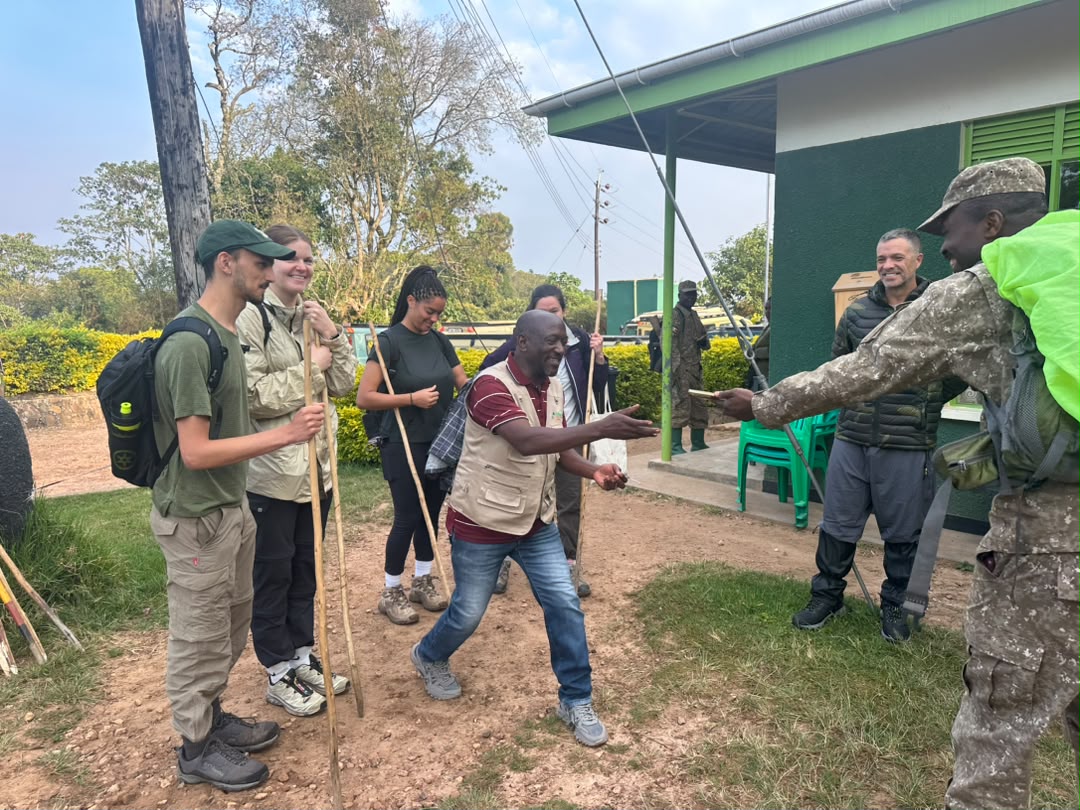
What they do: These guides lead visitors through forests to see mountain gorillas, golden monkeys and other primates. They brief guests on rules, manage the group on the trail and explain primate behaviour during the encounter.
Key skills: Primate knowledge, safety briefings, physical fitness, patience, group control, conservation ethics and the ability to keep guests calm and respectful.
Best for: Fit, calm people with a deep love for wildlife and conservation who enjoy hiking in challenging terrain.
Where they work: In Uganda, gorilla trekking in the parks is led by Uganda Wildlife Authority rangers and guides, while safari guides from tour companies accompany guests to the parks and support them before and after the trek. Destinations include Mgahinga Gorilla National Park and Bwindi. Safari guides on trips like a one-day Uganda gorilla safari from Kigali need strong primate knowledge too.
How to train: Study tour guiding with a focus on wildlife interpretation and conservation. Read our guide on how to become a Uganda Wildlife Authority (UWA) guide for the park ranger route.
3. Chimpanzee Tracking and Forest Guide
What they do: Forest guides lead chimpanzee tracking, nature walks and forest hikes, explaining trees, insects, monkeys, birds and forest ecology.
Key skills: Forest ecology, primate behaviour, plant and bird identification, tracking skills, safety awareness and engaging interpretation.
Best for: People who enjoy quiet, detailed nature experiences and love explaining how ecosystems work.
Where they work: Kibale, Budongo, Kalinzu, Kyambura Gorge, community forests and lodges. Visitors often book a 3 days chimpanzee tour in Uganda or a combined gorilla and chimpanzee safari, creating steady demand for knowledgeable forest guides.
How to train: Tour guiding courses with strong ecology and wildlife modules, plus plenty of field practice.
4. Birding Guide
What they do: Birding guides help travellers find and identify birds, often targeting rare species such as the shoebill or Albertine Rift endemics.
Key skills: Identifying birds by sight and sound, using binoculars and scopes, knowing habitats and seasons, patience, attention to detail and early starts.
Best for: Detail-oriented, patient people who love nature and do not mind waking up before sunrise.
Where they work: Specialist birding tour companies, lodges, wetlands like Mabamba Swamp, and national parks. Long itineraries such as an 18 days Uganda birding and wildlife safari need expert birding guides.
How to train: Start with a tour guiding certificate, then build birding skills through field practice, birding clubs and mentoring by experienced birders. Birding guides are among the most respected and well-tipped in Uganda.
5. Cultural and Heritage Guide
What they do: Cultural guides introduce visitors to local traditions, music, dance, food, crafts, languages and history. They might lead village walks, visits to traditional kingdoms or cultural performances.
Key skills: Storytelling, cultural knowledge, language skills, sensitivity, community relationships and respectful communication.
Best for: People proud of their culture who love history, people and storytelling.
Where they work: Community tourism projects, cultural centres, tour operators and lodges. Many safaris now include cultural visits; see examples in these Western Uganda safaris with cultural tours.
How to train: Tour guiding or tourism and hospitality courses with modules on cultural heritage and customer care.
6. City Tour Guide
What they do: City guides lead walking, driving or boda-boda tours of urban areas, explaining history, architecture, markets, food and nightlife.
Key skills: Local history, navigation, communication, time management, safety awareness in busy areas and engaging storytelling.
Best for: Energetic, sociable people who love their city and enjoy meeting new people every day.
Where they work: Kampala, Entebbe, Jinja and Kigali are popular city tour destinations. Many East African safaris begin or end with a city tour, such as a visit to Kigali City in Rwanda.
How to train: Tour guiding or tourism operations courses, plus deep study of your city’s history and attractions.
7. Adventure Guide
What they do: Adventure guides lead high-energy activities such as white-water rafting, kayaking, bungee jumping, quad biking, mountain biking, zip-lining and hiking.
Key skills: Technical activity skills, risk management, first aid, rescue techniques, physical fitness, confidence and the ability to keep guests calm in exciting situations.
Best for: Fit, brave and energetic people who love adrenaline and the outdoors.
Where they work: Adventure companies in Jinja at the source of the Nile, crater lake regions, and hiking destinations across Uganda.
How to train: A tourism or tour guiding qualification plus specialist certifications for your activity, such as rescue or first aid training.
8. Mountain and Trekking Guide
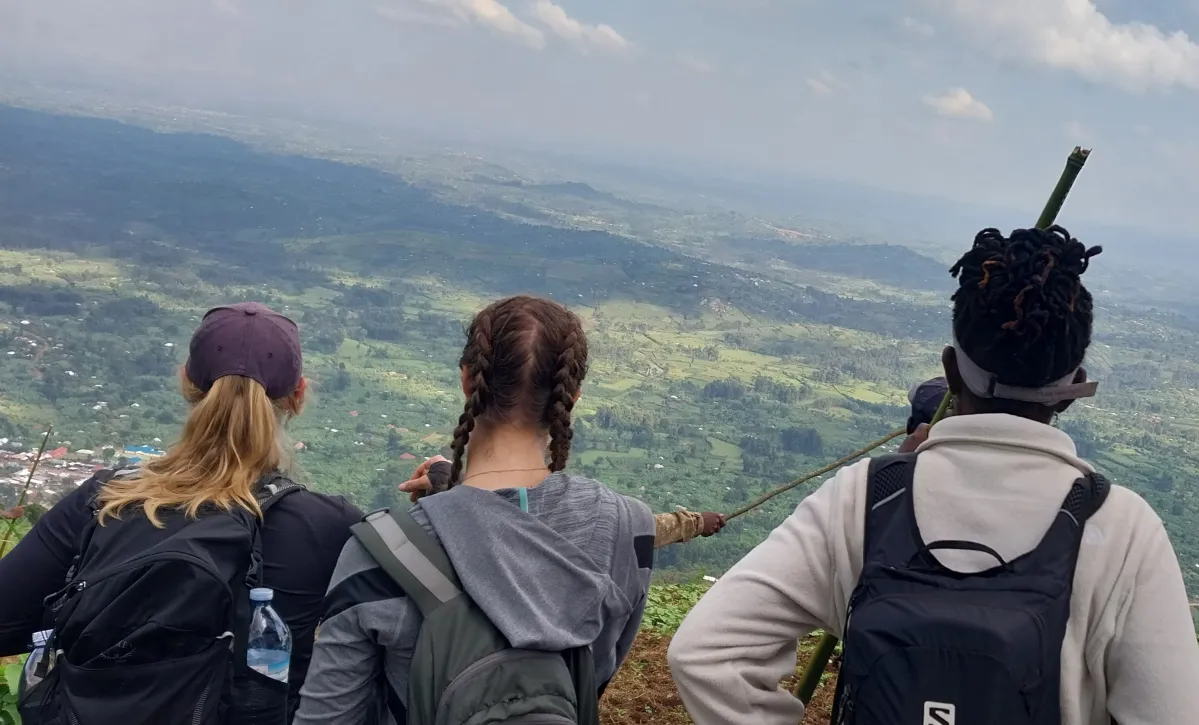
What they do: Mountain guides lead multi-day hikes and climbs, such as the Rwenzori Mountains, Mount Elgon or the Virunga volcanoes.
Key skills: Navigation, altitude awareness, first aid, camping skills, weather judgement, physical endurance and leadership.
Best for: Very fit, resilient people who love mountains and remote environments.
Where they work: Mountaineering companies, park authorities and specialist trekking operators.
How to train: Tour guiding training, wilderness first aid and on-mountain apprenticeships with experienced mountain guides.
9. Boat and Water Safari Guide
What they do: These guides lead boat cruises and water-based tours, explaining wildlife, birds and the history of lakes and rivers.
Key skills: Water safety, wildlife and bird identification, clear communication over engine noise, and storytelling.
Best for: People who love water, wildlife and relaxed, scenic experiences.
Where they work: The Kazinga Channel in Queen Elizabeth, the Nile in Murchison Falls National Park, Lake Victoria, Lake Bunyonyi and Lake Mburo. Learn more about these cruises in this guide to primate and wildlife safaris in Murchison Falls.
How to train: Tour guiding courses plus water safety and first aid training.
10. Museum and Heritage Site Guide
What they do: Museum guides explain exhibits, artefacts and historical sites, helping visitors understand a country’s past.
Key skills: Historical research, accuracy, public speaking, patience with questions and the ability to make history engaging for all ages.
Best for: History lovers who enjoy research and teaching.
Where they work: The Uganda Museum, the Kasubi Tombs, palaces of traditional kingdoms, independence monuments and other heritage sites.
How to train: Tourism and heritage studies, or a diploma that includes cultural heritage and research methods, such as a Diploma in Tourism Management.
11. Religious and Pilgrimage Guide
What they do: Pilgrimage guides lead faith-based tours to religious sites, explaining their history and spiritual significance.
Key skills: Religious and historical knowledge, cultural and spiritual sensitivity, crowd management and calm communication.
Best for: People with a strong interest in faith, history and respectful service.
Where they work: The Uganda Martyrs Shrine at Namugongo, which attracts large numbers of pilgrims every year around Martyrs Day on 3 June, plus cathedrals, mosques and other religious sites.
How to train: Tour guiding courses plus specialised knowledge of the religious sites you will cover.
12. Community Tourism Guide
What they do: Community guides lead visitors through local projects, such as coffee farms, craft cooperatives, community forests and village walks, sharing benefits directly with residents.
Key skills: Local knowledge, storytelling, cultural sensitivity, language skills and a passion for community development.
Best for: People who want tourism to directly benefit their home area.
Where they work: Community-based tourism enterprises near national parks, such as the Bigodi Wetland Sanctuary near Kibale, and community tourism associations across Uganda.
How to train: Short tourism courses, community tourism training and customer care skills. Our article on hands-on tourism training in Uganda shows how practical learning builds these skills.
13. Tour Leader or Tour Escort
What they do: Tour leaders accompany groups on multi-day or multi-country trips, coordinating logistics, hotels, transport and local guides. They are responsible for the overall smooth running of the tour.
Key skills: Organisation, leadership, problem-solving, budgeting, communication with suppliers, multiple languages and calm under pressure.
Best for: Organised, responsible people who enjoy travelling and managing details.
Where they work: Tour operators and international travel companies running regional itineraries, such as an 18 days Kenya, Rwanda and Uganda safari.
How to train: A tour and travel management course or tourism operations training. See our guide to tourism operations courses in Uganda.
14. Luxury and Private Guide
What they do: Private guides serve high-end travellers, often with tailored itineraries, exclusive lodges, fly-in safaris and very high service standards.
Key skills: Exceptional customer service, discretion, etiquette, deep destination knowledge, flexibility and attention to detail.
Best for: Polished, patient professionals who take pride in delivering perfection.
Where they work: Luxury tour operators and high-end lodges. Trips such as a luxury gorilla safari in Uganda demand guides with top-tier service skills.
How to train: Tour guiding plus hospitality training, such as our hotel management courses in Uganda, which build the service standards luxury clients expect.
15. Photographic Safari Guide
What they do: Photographic guides help travellers capture great wildlife and landscape images, positioning vehicles for the best light and angles and advising on camera settings.
Key skills: Photography, wildlife behaviour, patience, understanding of light and composition, and the ability to anticipate action.
Best for: Creative people who love both wildlife and photography.
Where they work: Specialist photo safari companies and premium tour operators.
How to train: Tour guiding training combined with photography courses and lots of field practice.
16. Freelance Tour Guide
What they do: Freelance guides work independently, contracting their services to different tour companies, travel agencies or private clients.
Key skills: All core guiding skills, plus self-marketing, networking, business management and digital marketing.
Best for: Independent, entrepreneurial people who want flexibility and control over their work.
Where they work: Anywhere there is demand, often partnering with several operators at once.
How to train: A recognised guiding qualification builds credibility, while short courses in digital marketing help you find clients. Our article on how to become a tour operator in Africa is useful if you plan to grow into running your own business.
Types of Tourist Guide at a Glance
| Type of Guide | Main Setting | Key Strengths Needed |
|---|---|---|
| Safari driver-guide | National parks and roads | Driving, wildlife knowledge, stamina |
| Gorilla and primate guide | Mountain forests | Fitness, safety, conservation ethics |
| Chimpanzee and forest guide | Tropical forests | Ecology, tracking, interpretation |
| Birding guide | Wetlands, forests, savannah | Bird ID, patience, early starts |
| Cultural and heritage guide | Villages, kingdoms | Storytelling, cultural knowledge |
| City tour guide | Towns and cities | Energy, navigation, history |
| Adventure guide | Rivers, trails, activity sites | Fitness, risk management, first aid |
| Mountain and trekking guide | Mountains and volcanoes | Endurance, navigation, leadership |
| Boat and water guide | Lakes and rivers | Water safety, wildlife ID |
| Museum and heritage site guide | Museums and historic sites | Research, accuracy, public speaking |
| Religious and pilgrimage guide | Shrines and sacred sites | Sensitivity, crowd management |
| Community tourism guide | Local projects | Community ties, storytelling |
| Tour leader or escort | Multi-day, multi-country tours | Organisation, problem-solving |
| Luxury and private guide | High-end lodges and private trips | Service excellence, discretion |
| Photographic safari guide | Parks and scenic areas | Photography, patience, creativity |
| Freelance guide | Varied | Networking, self-marketing |
Choose Your Fit: Which Type of Tourist Guide Are You?
Not sure where you belong? Answer these questions honestly and see which types match you best.
Do you love driving and long days on the road? You may be a natural safari driver-guide or tour leader.
Are you happiest hiking through forests or mountains? Consider becoming a gorilla and primate guide, forest guide or mountain guide.
Do you notice small details others miss and enjoy quiet patience? Birding or photographic safari guiding could be your fit.
Do you love history, culture and telling stories? Look at cultural, museum and heritage, city or pilgrimage guiding.
Do you crave excitement and adrenaline? Adventure guiding is calling you.
Do you want tourism to help your home community? Community tourism guiding offers deep personal reward.
Are you organised, calm under pressure and good with logistics? Tour leaders and luxury private guides thrive on these strengths.
Do you want independence and to run your own business one day? Freelance guiding can be a stepping stone to owning a tour company.
Match Your Personality to a Guiding Path
| If You Are… | Consider Becoming A… |
|---|---|
| Outdoorsy and patient | Safari driver-guide, birding guide |
| Fit and adventurous | Mountain guide, adventure guide, gorilla trekking guide |
| Curious about nature | Forest guide, chimpanzee tracking guide |
| A storyteller | Cultural, heritage, city or museum guide |
| Organised and responsible | Tour leader, luxury private guide |
| Creative | Photographic safari guide |
| Community-minded | Community tourism guide |
| Entrepreneurial | Freelance guide, future tour operator |
| Spiritually inclined | Religious and pilgrimage guide |
Many successful guides combine two or more types. A safari driver-guide might also be an expert birder. A cultural guide might also lead city tours. Building several skills increases your job opportunities and your income.
A Typical Day for Three Different Guides
Seeing how a normal working day looks can help you picture yourself in each role. Here is a snapshot of three very different guides in Uganda.
The safari driver-guide in Queen Elizabeth National Park. The day starts at 5:30 am with vehicle checks and a quick breakfast. By 6:30 am the guide is leading a morning game drive, scanning the plains for lions, leopards and elephants. After lunch at the lodge, there is a short rest before an afternoon boat cruise on the Kazinga Channel. In the evening, the guide reviews tomorrow’s long drive to Bwindi, checks fuel and confirms timings with the office. It is a long day, but every one includes wildlife, travel and close contact with guests.
The birding guide at Mabamba Swamp. The alarm rings before 5:00 am. The guide collects guests in the dark and reaches the swamp at first light, when birds are most active. Hours are spent in a small canoe, moving silently through papyrus channels in search of the shoebill. Patience is everything. When the bird finally appears, the guide quietly positions the canoe for the perfect view and photograph. By early afternoon, the guide is writing up a species list and preparing for the next day’s birding in a forest reserve.
The cultural guide in a western Uganda village. The day begins mid-morning with guests arriving from their lodge. The guide leads a walk through farms and homesteads, introducing a traditional healer, a basket weaver and a local school. Over a shared lunch of local food, the guide explains customs, family life and history. In the afternoon, there may be a drumming and dance performance. The guide’s day ends by settling payments fairly with community members and thanking everyone involved.
Each day is different, yet all three guides rely on the same foundations: preparation, communication, safety, respect and a genuine love for sharing Uganda with visitors.
Skills Every Type of Tourist Guide Needs
While each guiding role has its own speciality, some skills are essential for all of them:
- Clear communication and confident public speaking.
- Customer care and a genuine desire to help.
- Safety awareness and basic first aid.
- Destination knowledge about Uganda’s attractions, wildlife, history and culture.
- Professionalism, punctuality and reliability.
- Cultural sensitivity toward guests and communities.
- Problem-solving and flexibility when plans change.
- Integrity and honesty in all dealings.
Our article on the best tour guiding courses in Uganda explains how good training builds these core skills.
How to Train for Your Chosen Type of Guide
Whichever path you choose, the journey usually follows similar steps.
Step 1: Get a recognised qualification. Start with a Certificate in Tour Guiding or a Tour Guiding and Driving programme. These give you a strong foundation in guiding techniques, wildlife, culture, communication and safety.
Step 2: Specialise. Add focused skills for your chosen type, such as birding, driving, mountain safety, photography, languages or hospitality.
Step 3: Gain practical experience. Field trips, internships and attachments with tour companies help you learn from real guiding situations.
Step 4: Learn from mentors. Shadow experienced guides in your chosen field.
Step 5: Keep learning. Short courses, reading and travel keep your knowledge fresh throughout your career.
If you are unsure which course to start with, our guide to choosing the right tourism course for your career will help.
Why Train at Uganda Tourism Institute
Uganda Tourism Institute (KCI Institute) offers practical, career-focused training for every type of tourist guide.
What we offer:
- Tour Guiding and Driving as a short course and as a longer certificate programme.
- Tour and Travel Management for future tour leaders and operations staff.
- Tourism and Hospitality and Hotel Management for luxury and service-focused guides.
- Tourism Operations for those interested in planning and running tours.
- Defensive Driving and Digital Marketing short courses to boost employability.
- Online and physical learning options to suit your schedule.
- Hands-on training, field trips and career support.
Our students learn not just theory but the real standards expected by safari companies. Operators such as Kenlink Tours run safaris that show the range of guiding work available, from short primate trips to long wildlife circuits like the chimpanzees, big cats and more in Uganda itinerary.
Before you decide, you can compare options in our guides to the best tourism training institute in Uganda, the Uganda Hotel and Tourism Institute and the best online tourism schools in Uganda.
Career Growth for Tourist Guides
Guiding is not a dead end. With experience and further training, guides in Uganda often progress into:
- Senior or specialist guide roles with higher pay.
- Guide trainer or mentor positions.
- Operations manager or reservations manager at tour companies.
- Lodge manager or hospitality manager.
- Conservation and community tourism roles.
- Tour company owner.
To explore the wider job market, read our article on tourism job opportunities in Uganda and our Tourism Jobs and Opportunities in Uganda career guide.
Common Myths About Being a Tourist Guide
Myth 1: You only need to speak English well. Language matters, but knowledge, safety skills and customer service are just as important.
Myth 2: Guiding is just a holiday job. Many guides build long, well-paid careers and grow into management or business ownership.
Myth 3: You need a university degree. Many employers value practical certificates and field experience. A professional guiding qualification is often the fastest route into work.
Myth 4: All guides do the same thing. As this article shows, there are many different types of tourist guide with very different daily lives.
Myth 5: You are born a good guide. Personality helps, but most guiding skills are learned. Read our tips on how to become a good tour guide.
Frequently Asked Questions
What are the main types of tourist guide? The main types include safari driver-guides, gorilla and primate guides, forest guides, birding guides, cultural guides, city guides, adventure guides, mountain guides, boat guides, museum guides, pilgrimage guides, community guides, tour leaders, luxury guides, photographic guides and freelance guides.
Which type of tourist guide is most in demand in Uganda? Safari driver-guides are among the most in demand, because tour companies value professionals who can both drive and guide. Birding and primate specialists are also highly sought after.
Can I be more than one type of guide? Yes. Many guides combine specialities, such as driving and birding, or cultural and city guiding. This makes you more employable.
What qualification do I need to become a tourist guide? A certificate in tour guiding, or a tour guiding and driving qualification, is a strong starting point. Diplomas open more senior roles.
How long does tour guide training take? Short courses take a few months, while certificate and diploma programmes take one to two years. Check our intakes page for upcoming start dates.
Can I study to become a tour guide online? Yes. Uganda Tourism Institute offers online and physical learning options.
Which type of guide earns the most? Earnings vary, but specialist guides, such as expert birders, luxury private guides and multilingual tour leaders, often earn more through higher rates and tips.
How do I start? Choose your fit using this guide, then apply now for a tour guiding course.
Find the Guiding Career That Fits You
There is no single “right” type of tourist guide. The best choice is the one that matches your passions, personality and strengths. If you love wildlife and driving, the safari road may be calling. If you love stories and people, cultural or city guiding could be perfect. If you crave adventure, the rivers and mountains are waiting.
Whatever you choose, professional training gives you the knowledge, confidence and credibility to succeed. At Uganda Tourism Institute, we help students discover their fit and build the skills to thrive in Uganda’s growing tourism industry.
Explore our courses, learn more about us, or browse more career advice on our blog.
Ready to choose your fit? Contact Uganda Tourism Institute today on +256 789 210 067 or apply now to join our next intake.