
Best Qualities a Tour Guide should have. Ask any traveller about their best holiday and, sooner or later, they will mention a guide. The guide who spotted a leopard draped over a branch that everyone else missed. The guide who explained why the gorilla family moved the way it did. The guide who turned a long drive into a lesson on Ugandan history, music and food. Great guides do not just show people places. They make those places come alive.
That is why the best qualities a tour guide should have go far beyond knowing directions. Today’s travellers expect guides who are knowledgeable, warm, safe, organised and professional all at once. In a country like Uganda, where tourism is growing fast and visitors come for gorillas, chimpanzees, savannah wildlife, birds and culture, well-trained guides are in high demand.
In this guide from Uganda Tourism Institute, we explore the 20 most important qualities of a good tour guide, explain why each one matters, and show you how to develop them through practical training. Whether you are a student thinking about a tourism career, a working guide looking to improve, or a tour company hiring new staff, this article will help you understand what excellence in guiding really looks like.
Why Tour Guide Qualities Matter So Much
A tour guide is often the face of a destination. For many visitors, the guide is the person they spend the most time with during their trip, sometimes every day for one or two weeks. The guide’s attitude, knowledge and professionalism shape how travellers remember the entire country.
Strong guiding qualities lead to:
- Happier travellers who leave glowing reviews and recommend the tour company.
- Repeat business and referrals for tour operators.
- Better tips and career growth for the guide.
- Safer trips, because good guides anticipate and manage risks.
- Stronger conservation and community support, because good guides teach visitors to respect nature and local people.
Tour companies know this. That is why so many operators prefer hiring guides with professional training. If you are considering this path, our article on what is needed to become a tourist guide explains the basic requirements.
1. Excellent Communication Skills
Communication is the foundation of guiding. A great guide speaks clearly, at the right pace and volume, and adjusts their language to suit the group, whether that is a family with young children, a group of retired birdwatchers or a team of corporate travellers.
Good communication also means:
- Giving clear instructions about timing, safety and meeting points.
- Explaining complex topics, such as primate behaviour or ecosystems, in simple, engaging language.
- Using body language, eye contact and facial expressions to connect with people.
- Speaking confidently in front of groups.
At Uganda Tourism Institute, communication training is built into our tour guiding courses, because no amount of knowledge helps if a guide cannot share it well.
2. Active Listening
Great guides do not just talk; they listen. Active listening means paying attention to what travellers say, and what they do not say. A guest who keeps asking about birds may be a passionate birder who would love an extra stop. A traveller who goes quiet on a steep trek may be struggling and need a slower pace.
By listening carefully, a guide can personalise the experience, solve problems early and make every guest feel valued.
3. Deep Knowledge of the Destination
Travellers expect their guide to be an expert. A good tour guide in Uganda should know:
- Wildlife: Mammals, primates, birds, reptiles and their behaviour.
- Ecology: Forests, savannahs, wetlands and how they connect.
- History: From the ancient kingdoms to modern Uganda.
- Culture: Ethnic groups, languages, music, food and traditions.
- Geography: National parks, lakes, mountains and the Nile.
- Current affairs: Conservation news, permit rules and travel updates.
For example, a guide leading a gorilla and golden monkey safari should be able to explain gorilla family structures, habituation, conservation challenges and the Virunga volcanoes. A guide on a Murchison Falls safari should know the story of the Nile, the falls and the park’s wildlife.
Knowledge is never finished. The best guides keep reading, asking questions and learning throughout their careers.
4. Passion and Enthusiasm
Enthusiasm is contagious. A guide who genuinely loves nature, history or culture inspires the same feeling in travellers. Even on the tenth game drive of the month, a passionate guide treats each sighting as special, because for the guests it is.
Passion also keeps guides motivated through long days, early mornings and challenging conditions. It is one of the qualities that separates an ordinary guide from an unforgettable one.
5. Strong Interpersonal and People Skills
Guiding is a people job. A good tour guide is friendly, approachable and patient, and can build rapport quickly with people from many different backgrounds.
People skills include:
- Making introductions and helping a group bond.
- Remembering names and personal details.
- Handling difficult personalities calmly.
- Balancing the needs of different guests within one group.
- Showing genuine care for each traveller’s comfort and enjoyment.
6. Professionalism and Reliability
Professional guides are punctual, well prepared, appropriately dressed and dependable. They keep promises, follow the itinerary, respect the tour company’s policies and represent their employer well.
Reliability is especially important in Uganda, where safaris often involve long distances and tight schedules, such as gorilla trekking start times. A guide who is late or disorganised can cost guests an experience they paid for months in advance. Learn how a well-run itinerary flows in this 5-day short Uganda gorilla trekking safari.
7. Excellent Customer Service
At its heart, guiding is a service. Great guides anticipate needs before guests ask: an extra water bottle, a jacket on a cold morning in the highlands, a restroom stop before a long drive, or a quiet moment after an emotional gorilla encounter.
Customer service skills include politeness, patience, a positive attitude and a genuine desire to exceed expectations. Customer care is a key module in our tourism and hospitality training, because it directly affects reviews, repeat business and tips.
8. Storytelling Ability
Facts inform, but stories inspire. The best guides turn information into memorable stories: the legend behind a crater lake, the history of a kingdom, the life of a famous silverback or the journey of the Nile from Lake Victoria to the Mediterranean.
Good storytelling uses:
- A clear beginning, middle and end.
- Emotion, humour and surprise.
- Local legends and personal experiences.
- Connections between the story and what guests are seeing.
Storytelling transforms a simple drive through the countryside into a cultural experience guests will talk about for years.
9. Safety Awareness and First Aid Skills
A tour guide is responsible for the wellbeing of the group. This is one of the most important qualities a tour guide should have, especially in wildlife areas.
Safety awareness includes:
- Understanding animal behaviour and keeping safe distances.
- Following park rules and ranger instructions.
- Briefing guests clearly before activities.
- Recognising signs of fatigue, dehydration or altitude problems.
- Knowing basic first aid and when to seek medical help.
- Having emergency contacts and plans ready.
First aid and emergency response are essential parts of professional guide training. Our best tour guiding training school in Uganda article explains why safety training should never be skipped.
10. Problem-Solving and Flexibility
No tour goes perfectly every time. Roads get blocked, flights are delayed, vehicles break down, weather changes and guests get sick. A great guide stays calm, thinks quickly and finds solutions.
Flexibility means being able to adjust plans without losing the quality of the experience. For example, if heavy rain makes one route impassable, a skilled guide finds another way, informs the tour office and keeps guests positive.
11. Time Management and Organisation
Guides juggle schedules, bookings, meal times, park opening hours, permit times and guest requests. Good organisation keeps everything on track.
Strong time management helps a guide:
- Arrive early at gorilla trekking briefings.
- Plan game drives at the best times for wildlife viewing.
- Avoid driving after dark.
- Leave room for spontaneous stops without falling behind schedule.
This skill is especially valuable on longer safaris, such as a 7 days gorilla, chimps tracking and game safari or a 10 days Uganda primates and wildlife tour, where small delays add up quickly.
12. Cultural Sensitivity and Respect
Uganda is home to many ethnic groups and cultures. Travellers also come from all over the world. A good guide respects cultural differences, both among guests and in local communities.
Cultural sensitivity means:
- Teaching guests respectful behaviour in villages and sacred sites.
- Asking permission before photographing people.
- Avoiding stereotypes and offensive jokes.
- Respecting guests’ religions, dietary needs and customs.
- Representing local culture accurately and proudly.
Guides who lead cultural experiences, such as those featured in these Western Uganda safaris with cultural tours, play an important role in building understanding between visitors and communities.
13. Language Skills
English is widely used in Ugandan tourism, but additional languages are a big advantage. Guides who speak French, German, Spanish, Italian, Chinese or Arabic are in high demand and can often earn more.
Knowing local languages also helps guides connect with communities, explain cultural details and handle practical situations on the road. Even learning a few greetings in a guest’s language makes them feel welcome.
14. Leadership and Confidence
A tour guide leads the group. That means making decisions, setting the pace, enforcing safety rules and keeping everyone together, while still being friendly and approachable.
Confident leadership reassures travellers, especially in unfamiliar environments like dense forests or wildlife areas. A guide who looks nervous or unsure can make guests anxious. Training, preparation and experience all build this confidence.
15. Patience and Emotional Intelligence
Guests can be tired, hungry, excited, nervous or even frustrated. A good guide stays patient and understands people’s emotions.
Emotional intelligence helps guides:
- Recognise when someone is uncomfortable or unhappy.
- Respond calmly to complaints.
- Celebrate guests’ excitement with them.
- Manage their own stress during long or difficult days.
Patience is especially important on gorilla treks, where some guests find the hike physically challenging, and on birding trips, where waiting quietly is part of the experience.
16. Environmental Awareness and Conservation Ethics
Responsible tourism depends on guides who care for the environment. Great guides model and teach good behaviour, such as staying on trails, keeping distance from wildlife, avoiding littering and never feeding animals.
They also explain why conservation matters, how tourism revenue supports protected areas and communities, and what guests can do to help. Guides in Uganda’s national parks, such as Bwindi Impenetrable Forest and Kibale Forest National Park, are ambassadors for some of the world’s most important ecosystems.
If you are interested in this side of guiding, read our guide on how to become a Uganda Wildlife Authority (UWA) guide.
17. A Good Sense of Humour
Humour makes long drives shorter, breaks the ice and helps groups relax. A guide who can laugh at small mishaps, share light-hearted stories and keep the mood positive creates a fun and memorable trip.
Of course, humour should always be respectful, inclusive and appropriate for the group.
18. Physical Fitness and Stamina
Guiding can be physically demanding. Safari guides may drive for hours, lead treks through steep forests, walk long distances on nature trails and work very early mornings and late evenings.
Good fitness helps guides:
- Lead gorilla and chimpanzee treks safely.
- Stay alert and focused during long days.
- Help guests on difficult terrain.
- Handle varied weather conditions.
19. Driving Skills (for Driver-Guides)
In Uganda, many safari guides are also the driver. Driver-guides are highly employable because tour companies can assign one professional to handle both roles. This requires:
- Safe, defensive driving on highways and rough park roads.
- Off-road driving skills, especially in rainy seasons.
- Basic vehicle maintenance and troubleshooting.
- Knowledge of routes, distances and fuel stops.
- Wildlife spotting while driving safely.
This is why Uganda Tourism Institute offers a dedicated Tour Guiding and Driving programme, alongside a short Defensive Driving course. You can see the full list on our courses page. To understand how driver-guides work in real safaris, see how operators run trips like this 4 days wildlife and primate safari.
20. Integrity and Honesty
Trust is everything in tourism. Great guides are honest about what guests can expect, transparent about costs and tips, and fair in their dealings with travellers, colleagues and communities.
Integrity means:
- Never making promises you cannot keep.
- Not pressuring guests into purchases or extra activities.
- Respecting guests’ privacy and belongings.
- Following laws, park rules and company policies.
- Admitting mistakes and fixing them.
Tour operators value guides with integrity because their reputation depends on them.
Bonus Qualities That Set Top Guides Apart
Beyond the 20 core qualities, the very best guides often have a few extra strengths:
Photography skills. Helping guests capture great photos, positioning vehicles for the best light and knowing camera settings for wildlife.
Birding expertise. Uganda has more than 1,000 bird species, so guides who can identify birds by sight and sound are especially valued.
Digital skills. Using apps, social media and online tools to share updates, prepare reports and support marketing.
Business awareness. Understanding how tour operations work, which can lead to roles such as tour coordinator or even starting your own company. Our article on how to become a tour operator in Africa is a great next step if this interests you.
Qualities of a Good Tour Guide at a Glance
| Quality | Why It Matters |
|---|---|
| Communication | Shares knowledge clearly and engagingly |
| Destination knowledge | Builds trust and enriches the experience |
| Customer service | Improves satisfaction, reviews and tips |
| Safety awareness | Protects guests in wildlife and remote areas |
| Problem-solving | Keeps trips running when plans change |
| Cultural sensitivity | Respects guests and local communities |
| Storytelling | Makes information memorable |
| Leadership | Keeps the group safe, together and on time |
| Conservation ethics | Protects wildlife and supports responsible tourism |
| Integrity | Builds long-term trust with guests and employers |
Different Types of Tour Guides and the Qualities They Need Most
Not every guide does the same job. Here are some common guiding roles in Uganda and the qualities each one relies on most.
Safari driver-guide. Driving skills, wildlife knowledge, spotting ability, time management and stamina. Many work on itineraries such as a 7 days Uganda safari one-week tour.
Gorilla and primate trekking guide. Safety awareness, fitness, patience, primate knowledge and conservation ethics.
Birding guide. Bird identification, patience, attention to detail and the ability to use scopes and field guides.
Cultural guide. Storytelling, cultural sensitivity, language skills and community relationships.
City tour guide. Historical knowledge, communication, time management and navigation in busy urban areas.
Adventure guide. Safety, first aid, leadership and physical fitness for activities like hiking and rafting.
Whatever your interest, the right training helps you build the qualities that matter most for your chosen path. Our Tourism Jobs and Opportunities in Uganda career guide explores these roles in more detail.
How to Develop the Qualities of a Great Tour Guide
Some people are naturally outgoing or curious, but most guiding qualities can be learned and improved. Here is how.
Get professional training. A structured course gives you the knowledge, skills and confidence employers look for. A Certificate in Tour Guiding is a strong starting point, while a Diploma in Tourism Management prepares you for broader and more senior roles.
Learn by doing. Field trips, practical guiding sessions and internships turn theory into real skill.
Read and research constantly. Study field guides, history books and conservation news.
Learn from experienced guides. Shadow senior guides, ask questions and observe how they handle groups.
Practise public speaking. Join clubs, give presentations or volunteer to lead community tours.
Ask for feedback. Listen to guests, supervisors and peers, and use their comments to improve.
Take short courses. First aid, defensive driving, languages, birding and digital marketing all add value.
Travel and explore. The more of Uganda you see, the better you can describe it to others.
For practical advice, read our article on how to become a good tour guide.
How Uganda Tourism Institute Builds These Qualities
At Uganda Tourism Institute (KCI Institute), our training is designed around the real qualities tour companies want. We combine classroom learning with practical fieldwork so students graduate ready to work.
What our tour guiding students learn:
- Tour guiding techniques and group management
- Wildlife and nature interpretation
- Uganda’s cultural heritage and history
- Communication and customer care
- First aid and safety
- Environmental conservation and responsible tourism
- Driving and defensive driving, for driver-guide students
- Itinerary planning and tour ethics
Why students choose us:
- Practical, hands-on training with field trips and guiding practice.
- Flexible learning options, including physical classes in Kampala and online learning.
- UVTAB-aligned short courses and longer certificate and diploma programmes.
- Affordable fees with clear payment plans.
- Career support, including internship opportunities and connections with tour operators.
Students also benefit from exposure to the real safari industry. Leading operators such as Kenlink Tours and Pick and Transfer Safaris run safaris across Uganda and Rwanda, giving learners a clear picture of the standards professional guides are expected to meet.
To compare options before you enrol, see our guides to the best tourism training institute in Uganda, best tourism training schools in East Africa and best online tourism schools in Uganda.
A Day in the Life of a Great Tour Guide in Uganda
To see how these qualities work together, imagine a typical day for a professional driver-guide on a safari in western Uganda.
5:30 am: Preparation. The guide wakes before the guests, checks the vehicle’s tyres, fuel and pop-up roof, confirms the day’s permits and packs water, snacks and a first aid kit. This is organisation and reliability in action.
6:30 am: Morning briefing. Over breakfast, the guide explains the plan for the day, what wildlife to expect, how long the drive will take and what guests should wear. Clear communication sets the tone.
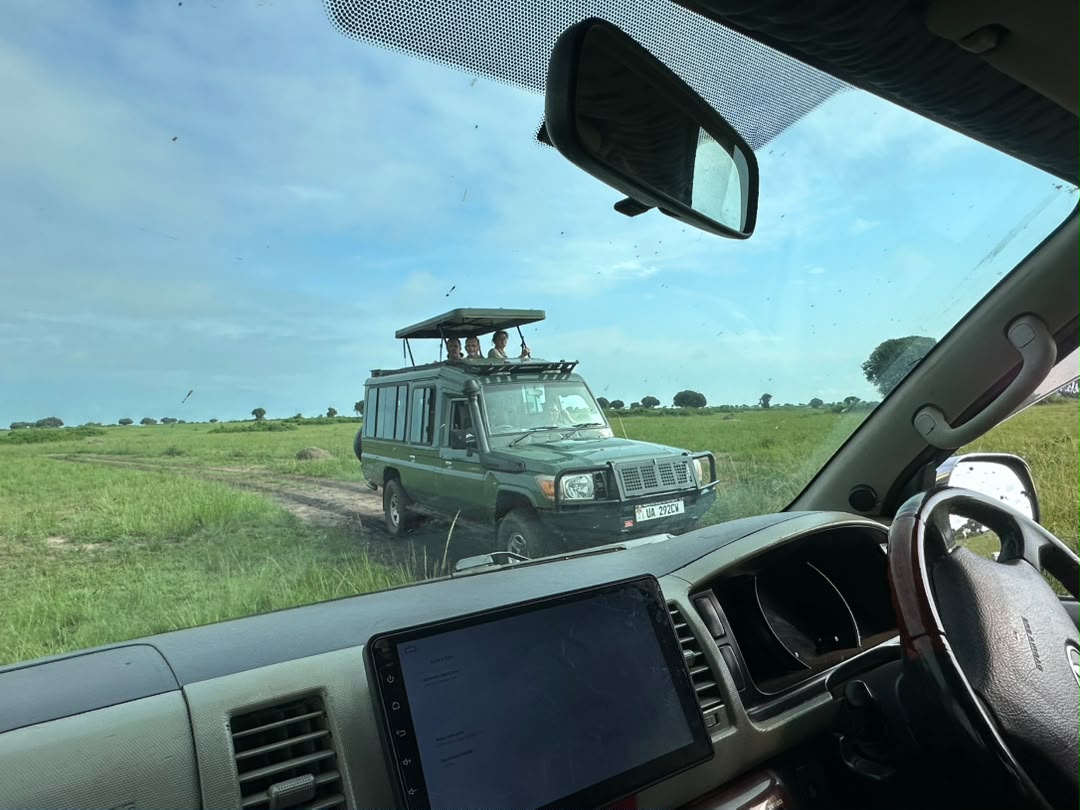
7:00 am: Game drive. Driving slowly along the tracks, the guide scans the grass for lions, spots a herd of elephants in the distance and positions the vehicle so everyone gets a good view without disturbing the animals. Here, knowledge, spotting skills, safe driving and conservation ethics all come together.
10:00 am: An unexpected problem. A guest feels unwell from the heat. The guide notices early, offers shade and water, shortens the drive and calls the lodge to prepare a quiet room. Emotional intelligence, first aid awareness and problem-solving turn a potential crisis into a minor pause.
1:00 pm: Lunch and cultural stop. On the way to the next lodge, the guide stops at a community craft centre, introduces guests to local artisans and explains the meaning behind traditional designs. Cultural sensitivity and storytelling make the stop memorable.
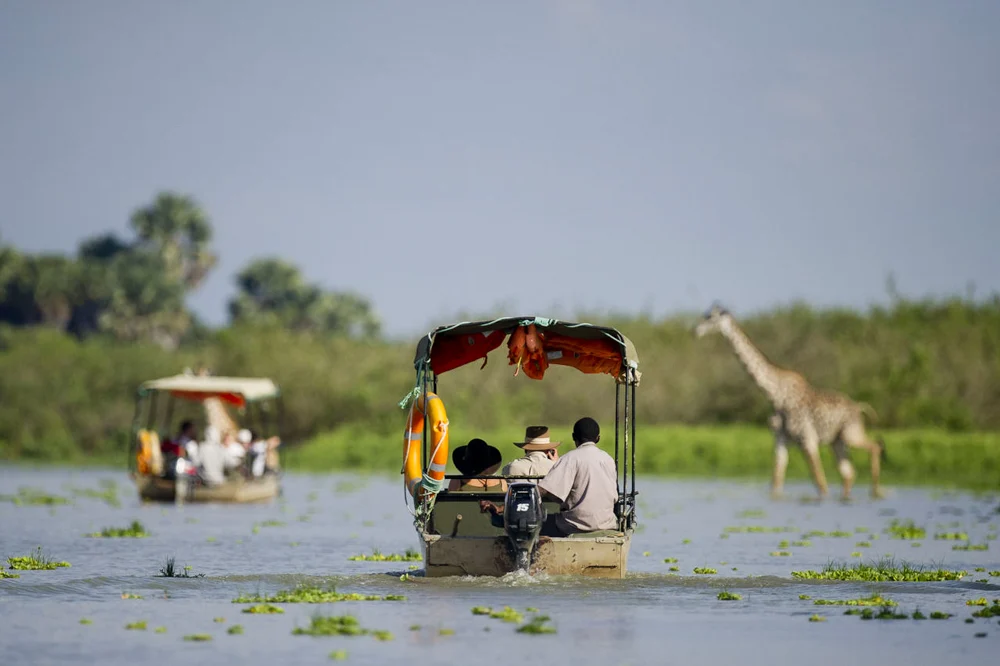
4:00 pm: Boat cruise. On the water, the guide identifies kingfishers, fish eagles and hippos, sharing facts and stories while giving guests quiet moments to take photos.
7:00 pm: Evening debrief. At dinner, the guide reviews the day, answers questions and prepares everyone for tomorrow’s early start. Before bed, the guide reports to the tour office and updates the schedule.
By the end of the day, the guests feel safe, informed and delighted. None of it happens by accident. Every moment depends on the qualities described in this article, and every one of those qualities can be learned through good training and practice.
What Tour Companies Look for When Hiring Guides
If you want to work as a guide, it helps to know what employers prioritise. Most tour operators look for:
- Recognised training and certification in tour guiding or tourism.
- Strong communication and customer care skills.
- Good knowledge of Uganda’s parks and attractions.
- A valid driving licence and safe driving record for driver-guide roles.
- Professional appearance and attitude.
- References or internship experience.
- Additional languages, which are always a plus.
- First aid training.
Operators also look for guides who understand the kind of trips they sell, from short primate tours like a 2 days Uganda gorilla tour starting from Kigali to longer circuits like an 8 days Uganda wildlife and chimpanzee trekking safari. Guides who already know these routes are ready to start quickly.
Common Mistakes Tour Guides Should Avoid
Even talented guides can damage the guest experience with avoidable mistakes:
- Talking too much and not giving guests quiet time to enjoy the moment.
- Sharing inaccurate information. If you do not know, say so and find out.
- Ignoring safety rules to get closer to animals.
- Favouring some guests over others.
- Being late or disorganised.
- Using a phone excessively during activities.
- Pressuring guests for tips.
- Complaining about the company, colleagues or guests in front of travellers.
Avoiding these mistakes is just as important as building strong qualities.
Career Benefits of Becoming a Great Tour Guide
Developing these qualities opens many doors. Skilled guides in Uganda can work with safari companies, lodges, conservation organisations, the Uganda Wildlife Authority and international travel companies. Over time, many move into roles such as senior guide, operations manager, trainer or tour company owner.
Great guides also enjoy one of the most rewarding jobs in the world: sharing the beauty of the Pearl of Africa with people from every corner of the globe. To explore your options, see our articles on tourism job opportunities in Uganda and choosing the right tourism course for your career.
Frequently Asked Questions
What are the most important qualities of a tour guide? The most important qualities are communication, destination knowledge, customer service, safety awareness, problem-solving, cultural sensitivity, professionalism and integrity.
Can these qualities be learned? Yes. While some people are naturally outgoing, most guiding qualities can be developed through training, practice, feedback and experience.
Do I need a certificate to become a tour guide in Uganda? Many tour companies prefer guides with recognised training. A certificate or diploma in tour guiding greatly improves your chances of getting hired.
How long does it take to train as a tour guide? Short courses can take a few months, while certificate and diploma programmes take one to two years. Check our intakes page for current start dates.
Is driving important for tour guides in Uganda? Yes. Many safari guides in Uganda are driver-guides, so driving skills make you much more employable.
Can I study tour guiding online? Yes. Uganda Tourism Institute offers online and physical learning options.
What languages should a tour guide learn? English is essential. French, German, Spanish, Italian and Chinese are valuable additions.
How do I apply to study tour guiding? You can apply now online or contact our admissions team.
Great Guides Are Made, Not Born
The best qualities a tour guide should have include excellent communication, deep knowledge, genuine passion, strong people skills, professionalism, safety awareness, cultural respect and integrity. Together, these qualities turn an ordinary trip into a life-changing experience for travellers, and turn guiding into a rewarding, lifelong career.
The good news is that every one of these qualities can be learned and strengthened. With the right training, practical experience and a commitment to growth, you can become the kind of guide travellers remember for the rest of their lives.
If you are ready to start, explore our courses, learn more about Uganda Tourism Institute, and take the first step toward a career in Uganda’s growing tourism industry.
Ready to become a professional tour guide? Contact Uganda Tourism Institute today on +256 789 210 067 or apply now to join our next intake.