
What is needed to start a tour company in Uganda. Uganda, the Pearl of Africa, offers some of the richest travel experiences on the continent. Mountain gorillas in Bwindi and Mgahinga, chimpanzees in Kibale, tree-climbing lions in Ishasha, the mighty Murchison Falls, the snow-capped Rwenzori Mountains, white-water rafting on the Nile and more than a thousand bird species all sit within one compact country. Every year, visitors from around the world need trusted local companies to plan and deliver these experiences.
That demand creates a real business opportunity. Many of Uganda’s best-known safari companies were started by former guides, drivers and tour consultants who knew the industry from the inside. If you have dreamed of running your own tour company, you may be wondering where to begin. What licences do you need? How much capital? Do you need your own vehicles? How will you find clients?
This guide answers those questions step by step. It covers what is needed to start a tour company in Uganda, from legal registration and Uganda Tourism Board licensing to skills, capital, vehicles, partners, marketing and the mistakes to avoid. At Uganda Tourism Institute, we train future guides, consultants and operators every intake, and many of our graduates go on to start their own businesses.
Why Uganda Is a Good Place to Start a Tour Company
Before looking at requirements, it helps to understand why the market is attractive.
- World-class attractions: Uganda is one of very few places on earth where you can track mountain gorillas, and it combines primates, savannah wildlife, mountains, lakes and the source of the Nile in one trip.
- A growing industry: Tourism is one of Uganda’s leading foreign exchange earners, and both international and domestic travel continue to grow.
- Diverse markets: You can serve international safari clients, regional East African travellers, local schools, corporate groups, honeymooners and adventure seekers.
- Many niches: Birding, primate trekking, mountain climbing, cultural tours, faith-based travel, photography tours and student trips all offer room for specialist companies.
- Low entry barrier compared with hotels: You do not need to build a lodge. A tour company can start with a small office, strong partnerships and good planning.
The opportunity is real, but so is the competition. Success depends on doing things properly from the start.
Legal Requirements to Start a Tour Company in Uganda
Operating legally is the foundation of a trustworthy tour business. Clients, partners and banks will all want proof that your company is properly registered and licensed. Under the Uganda Tourism Act 2008, a tour operator is a person licensed to sell or offer tour packages, and the Uganda Tourism Board (UTB) is responsible for registering, inspecting and licensing tourism enterprises. Here are the main steps.
1. Choose a Business Name and Structure
Start by choosing a clear, memorable name that works well online and is not already in use. Then decide on a legal structure. Many tour companies register as a private limited company, which separates the business from the owners and looks more credible to international partners. A sole proprietorship or partnership is also possible, but UTB’s minimum requirements refer to a registered company, so a limited company is usually the better choice for a tour operator.
2. Register with the Uganda Registration Services Bureau (URSB)
All businesses in Uganda register with the Uganda Registration Services Bureau. You first search and reserve your chosen name, then submit incorporation documents, including details of directors and shareholders. Once approved, URSB issues a certificate of incorporation. Much of this process can now be completed online through the URSB e-services portal.
3. Get a Tax Identification Number (TIN) from URA
After incorporation, register the company with the Uganda Revenue Authority to obtain a Tax Identification Number. The TIN is needed for tax filing, opening a business bank account and dealing with government agencies. Directors also need their own TINs. If your annual turnover passes the VAT threshold, currently UGX 150 million a year, you must also register for VAT.
4. Obtain a Trading Licence
Your local authority issues a trading licence that allows you to operate from your business premises. In Kampala, this comes from the Kampala Capital City Authority (KCCA); elsewhere, it comes from the relevant municipal or district authority. Trading licences are renewed every year.
5. Register and Get Licensed with the Uganda Tourism Board (UTB)
This is the step that makes you a recognised tour operator. UTB registers, inspects and licenses tour and travel companies, and lists them in its official online database, which many international clients check before booking. UTB’s published minimum requirements for tour operators include:
- A certificate of incorporation from URSB
- A Tax Identification Number
- Preferably at least two comprehensively insured tour vehicles registered in the company’s name, or proof of a contract with a supplier who provides such vehicles
- A functional, physical office
- Skilled and experienced staff, including trained guides
- Clear booking terms for clients, covering accommodation, meals, payment deadlines, visa and health information and other trip details
UTB also carries out inspections and can suspend or withdraw licences when companies fall short of standards or face fraud complaints. Requirements and fees can change, so always confirm the current checklist directly with UTB before you apply.
6. Register Staff with NSSF and Prepare Contracts
If you employ staff, register with the National Social Security Fund (NSSF) and make monthly contributions. Give every guide, driver and office worker a written contract. Clear contracts protect both the company and the workers and build a professional reputation.
7. Join Industry Associations
Membership is not always legally required, but it adds credibility and access to networks. Key bodies include the Association of Uganda Tour Operators (AUTO), the Uganda Safari Guides Association (USAGA) and the Uganda Association of Travel Agents (TUGATA). Many international agents prefer to work with operators who are both UTB-licensed and AUTO members.
If the legal side feels overwhelming, professional guidance helps. KCI’s business consultation service supports new entrepreneurs with business planning and setup.
Legal Checklist at a Glance
| Requirement | Issued by | Notes |
|---|---|---|
| Business name reservation and certificate of incorporation | URSB | A limited company suits most tour operators |
| Tax Identification Number (TIN) | URA | Also for each director; VAT above UGX 150 million turnover |
| Trading licence | KCCA or local authority | Renewed every year |
| Tour operator registration and licence | Uganda Tourism Board | Office, insured vehicles or supplier contract, trained staff |
| NSSF registration | NSSF | Required when you employ staff |
| Association membership | AUTO, USAGA, TUGATA | Optional but adds credibility |
Practical Requirements to Run a Successful Tour Company
Papers alone do not build a tour business. Once you are legally registered, you need the skills, money, tools and relationships to deliver great trips and win clients again and again.
Industry Knowledge and Skills
The strongest tour companies are run by people who understand tourism from the ground up. You need to know Uganda’s destinations, park rules, permit systems, travel times, lodges and seasonal patterns. You also need skills in itinerary design, costing, customer care, marketing and basic accounting.
If you are coming from outside the industry, structured training saves you from expensive mistakes. The Tour Consultant Course in Africa teaches how to design and price itineraries, while KCI’s Tourism Operations and Tours & Travel Management programmes, listed on the UVTAB courses page, cover the business side of tourism.
A Clear Business Plan and Niche
Trying to sell every type of trip to every type of client is a common beginner mistake. Choose a clear focus first, then grow. Examples include gorilla and primate safaris, birding tours, budget camping safaris, luxury honeymoon trips, mountain climbing, school and student tours, corporate retreats or cultural experiences.
Your business plan should answer: who are your target clients, where will they come from, what will you sell, how will you price it, who are your competitors and how will you be different? A written plan also helps if you approach a bank, investor or partner.
Start-Up Capital and Cash Flow
The capital you need depends mostly on whether you buy vehicles or contract them. Typical start-up costs include:
- Company registration, licences and professional fees
- Office rent, furniture, computers and internet
- A professional website, branding and initial marketing
- Vehicles, or deposits with vehicle suppliers
- Staff salaries for the first months
- Insurance
- A cash reserve for permits and deposits
Cash flow is especially important. Gorilla and chimpanzee permits, lodge deposits and vehicle costs often need to be paid well before a trip happens. Many new operators fail not because they lack clients, but because they run out of cash between bookings. Always take client deposits, keep a reserve and track every shilling.
A Functional Office
UTB expects tour operators to have a physical, functional office. Beyond meeting the rules, an office builds trust with clients, partners and inspectors. It should be easy to find, clearly branded and equipped with reliable internet, a phone line and a professional email address on your own domain.
Safari Vehicles: Buy or Contract?
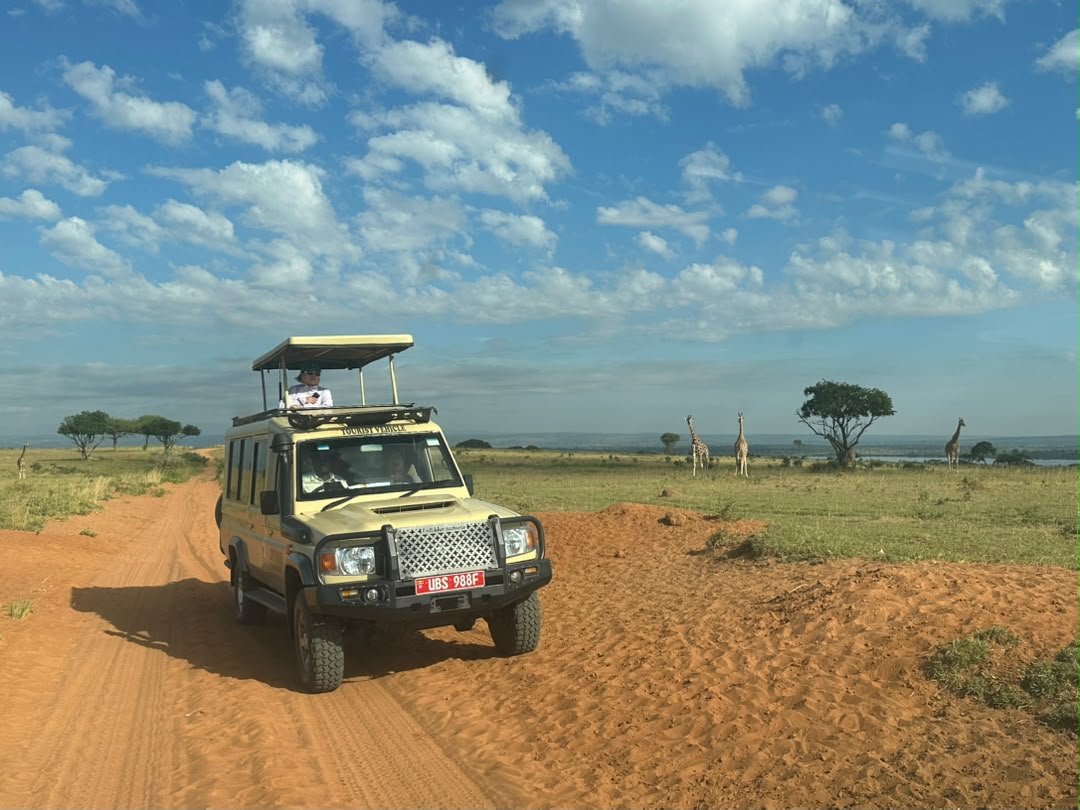
Vehicles are the biggest investment in a tour company. Safari clients in Uganda usually travel in 4×4 vehicles such as extended Land Cruisers or safari vans with pop-up roofs. UTB’s minimum requirements prefer at least two comprehensively insured vehicles in the company’s name, but also accept proof of a contract with a vehicle supplier.
Many new operators start by contracting vehicles from established suppliers, then buy their own as bookings grow. Whichever route you choose, insist on roadworthy, well-maintained, fully insured vehicles with good tyres, first aid kits and fire extinguishers. Breakdowns damage reviews faster than almost anything else.
Trained Guides and Staff
Your guides and driver guides are the face of your company. Clients spend more time with them than with anyone else, so hire professionally trained, certified people with strong customer care and safety skills. UTB’s guidelines for tour guiding services expect guides to be trained and certified by recognised tourism training institutions.
You can recruit graduates of programmes such as our Tour Guiding Course in Uganda or the wider options in the best tour guiding courses in Uganda. Our article on how to become a tour driver in Uganda explains the standards good driver guides should meet. Guides who speak foreign languages, trained through options such as KCI’s language courses, help you serve German, French, Spanish and Chinese markets.
Reliable Supplier Partnerships
A tour company is only as good as its suppliers. Build strong relationships with lodges, hotels and camps at every budget level; vehicle suppliers if you do not own vehicles; activity providers for rafting, boat cruises and cultural visits; and airlines and domestic flight operators. Negotiate contract rates in writing and pay suppliers on time. Reliable payment builds goodwill that helps when you need a last-minute room in peak season.
You will also work closely with the Uganda Wildlife Authority for park entry and gorilla and chimpanzee permits. Learn the booking rules, cancellation terms and payment deadlines well, because permits are limited and costly.
Insurance and Risk Management
Protect your business, clients and staff with the right cover. Comprehensive vehicle insurance is essential, and UTB checks for it. Public liability insurance protects you if a client is injured or suffers a loss. Encourage every international client to buy travel insurance, and include this in your booking terms. Prepare an emergency plan with contacts for hospitals, evacuation services and police along your main routes.
Website, Branding and Marketing
Most safari clients research and book online, so your website is your most important sales tool. It should be fast, mobile-friendly and clear, with sample itineraries, prices or starting rates, real photos, trust signals such as your UTB licence number and association memberships, and easy contact options including WhatsApp.
Marketing should combine several channels: search engine optimisation and a regular blog, social media with genuine trip photos and videos, review platforms such as TripAdvisor and Google, partnerships with international travel agents, and travel expos. Our post on the short course in marketing in Uganda explains the digital skills that help tourism businesses grow.
Excellent Customer Service
In tourism, reputation is everything. Respond to enquiries quickly, send clear itineraries and invoices, keep promises and follow up after every trip. Happy clients write the reviews that bring your next bookings. Hospitality thinking makes a big difference here, as our article on hospitality management courses in Uganda explains.
Common Mistakes to Avoid When Starting a Tour Company
- Operating without a UTB licence: Unlicensed operators risk closure, and many international clients will not book a company missing from the UTB database.
- Underpricing to win clients: Cheap quotes that ignore permits, fuel, guide fees and taxes lead to losses or poor service. Cost every trip carefully.
- Poor cash management: Mixing personal and business money, or spending deposits before trips happen, is a fast route to collapse.
- Hiring untrained guides: One careless guide can undo months of marketing. Invest in professionals.
- Overpromising: Never guarantee sightings or services you cannot control. Honest expectations protect your reviews.
- Ignoring online reputation: Slow replies, no website and unanswered reviews push clients to competitors.
- Trying to do everything alone: Partnerships, mentors and professional advice help you grow faster and safer.
How Training Prepares You to Run a Tour Company
Many successful operators in Uganda began as guides or consultants before starting their own businesses. That background gave them practical knowledge of destinations, clients and suppliers. Formal training speeds up this journey by teaching tourism operations, itinerary design, customer care and business management in one place.
At KCI Institute, relevant programmes include Tourism Operations, Tours & Travel Management, Tour Guiding & Driving, Business Administration and Digital Marketing, all assessed under UVTAB. Learn more on our About Us page and the KCI About Us page, or read why many learners choose the best tourism institute in Uganda.
Comparing schools? See our guides to the best tourism schools within Kampala and how to learn tourism courses in Uganda. For costs, read Tourism Course Fees in Uganda: What To Budget For, check the official KCI fee structure, and see KCI Institute in Uganda: courses, fees and how to enroll. Entrepreneurs thinking about a wider transport business can also explore KCI’s heavy machinery training, and job seekers building experience before starting a company can check the careers and job opportunities page.
Frequently Asked Questions About Starting a Tour Company in Uganda
Do I need a licence to start a tour company in Uganda?
Yes. Under the Uganda Tourism Act 2008, tour operators are registered, inspected and licensed by the Uganda Tourism Board. You first register the company with URSB and obtain a TIN from URA, then apply to UTB.
Do I need to own vehicles to start a tour company?
Not necessarily. UTB’s minimum requirements prefer at least two comprehensively insured vehicles registered in the company’s name, but also accept proof of a contract with a supplier who provides such vehicles. Many new operators start by contracting vehicles.
Can I start a tour company without tourism training?
It is possible, but risky. Without industry knowledge, it is easy to underprice trips, choose poor suppliers or mishandle permits. Training in tourism operations or tour consulting greatly improves your chances. See how long it takes to study a tourism course and KCI’s admission requirements.
Can a young person start a tour company after school?
Yes, with the right preparation. Many young entrepreneurs first train, gain experience as guides or consultants, then launch their own companies. Read can I study tourism after S4 in Uganda and check our Intakes page for upcoming start dates.
Can I study tourism business courses online?
Yes. KCI offers online learning options for many programmes. Registered students can follow their studies through the KCI student portal.
Conclusion: Build Your Tour Company the Right Way
Starting a tour company in Uganda is an exciting opportunity in one of Africa’s most beautiful destinations. What is needed comes down to three foundations: legal compliance through URSB, URA, your local authority and the Uganda Tourism Board; practical capacity through skills, capital, an office, reliable vehicles, trained guides and strong suppliers; and a reputation built on excellent service and smart marketing.
Take each step carefully, start with a clear niche, manage your cash wisely and never compromise on safety or honesty. Do that, and your company can grow from a small office into a trusted brand that shows the Pearl of Africa to the world.
Ready to gain the skills to run your own tour business? Explore our programmes on the Our Courses page, then apply now or submit your application directly through KCI Institute. Call +256 789 210 067 for guidance, and keep reading our tourism career articles on the Uganda Tourism Institute blog.