
How to become a tour operator in Africa. Africa is one of the most sought-after travel destinations on earth. Travellers dream of tracking mountain gorillas in Uganda and Rwanda, watching the Great Migration in Kenya and Tanzania, relaxing on the beaches of Zanzibar and exploring the continent’s vibrant cultures. Every one of those journeys is planned and delivered by a tour operator. If you have ever wondered how to become a tour operator in Africa, the opportunity is real: tourism keeps growing, travellers want authentic local expertise, and the internet makes it possible for a small, well-run company to reach clients anywhere in the world.
But running a tour company is more than loving travel. It requires knowledge of destinations, strong operations skills, legal registration, reliable suppliers, smart pricing, effective marketing and excellent customer service. In this step-by-step guide, we explain what a tour operator does, the skills and training you need, how to register and finance your business, how to build your products and find clients, and the mistakes to avoid. We use examples from Uganda and East Africa, but the principles apply across the continent.
What Is a Tour Operator?
A tour operator is a business that designs, packages and delivers travel experiences. The operator combines different services, such as accommodation, transport, guides, park permits, activities and meals, into a complete trip that the client buys at one price. The operator is responsible for making sure every part of the trip runs smoothly.
Tour operators are different from travel agents. A travel agent mainly sells products created by others, such as flights, hotel rooms or packages, and earns a commission. A tour operator creates its own products and manages their delivery on the ground. In Africa, many companies do both, but the core of a tour operator’s business is designing and running trips. In East Africa, these local companies are often called ground handlers or destination management companies (DMCs) because they manage everything on the ground for international clients and partner agencies.
Why Start a Tour Operator Business in Africa?
- World-class attractions: Wildlife, primates, mountains, beaches, deserts and cultures that attract visitors from every continent.
- Growing demand: International, regional and domestic tourism continue to grow as more people seek nature and adventure travel.
- Low starting barriers: You can start small, working from an office or even online, and grow step by step.
- Local advantage: Travellers increasingly prefer booking directly with local experts who know the destination well.
- Positive impact: Tourism creates jobs for guides, drivers, lodge staff and communities, and can support conservation.
- Scalability: A successful operator can expand to several countries, add vehicles, open lodges or partner with agents worldwide.
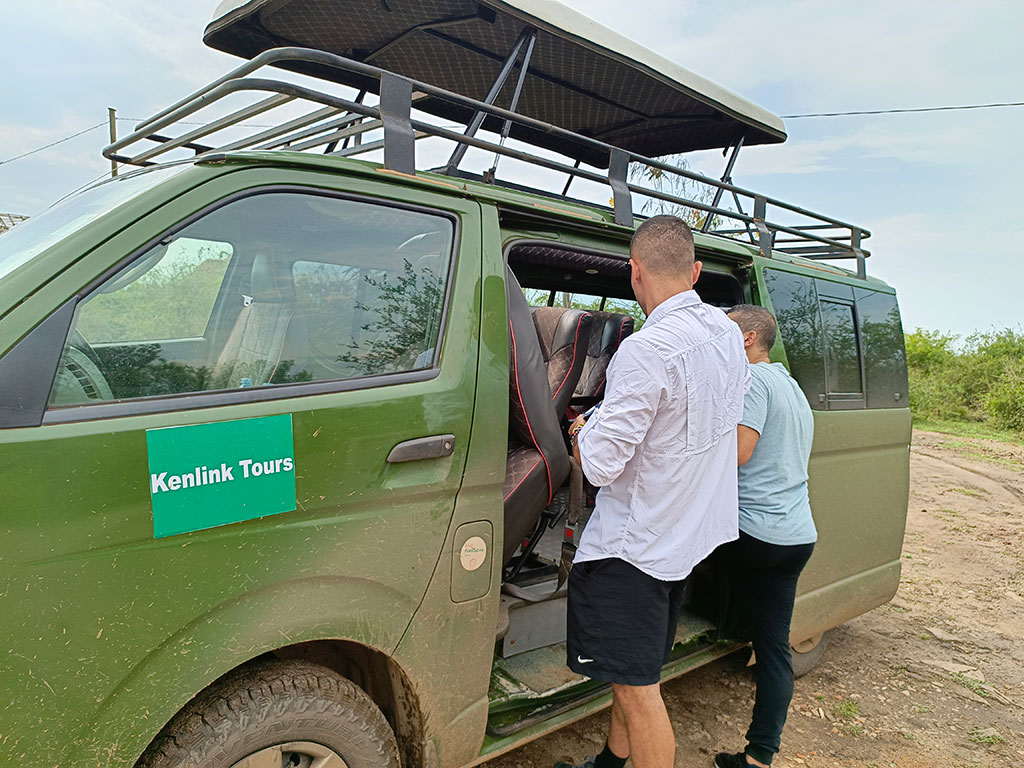
Many successful African tour operators started as guides, drivers or consultants. A good example is Kenlink Tours, which grew from a small Ugandan team into a company offering gorilla, primate, wildlife and cultural safaris across Uganda, Rwanda, Kenya and beyond.
Step 1: Gain Knowledge and Experience in the Industry
The most important foundation for any tour operator is understanding how the industry works. Before starting your own company, spend time learning from the inside. Work as a tour guide, driver-guide, tour consultant, reservations officer or operations assistant. This experience teaches you how bookings are managed, how suppliers behave, how clients think and what can go wrong on a trip.
If you are new to tourism, start with the guiding side to understand field operations. Our article on tour guiding as a profession in Africa explains this career, while how to become a tour driver in Uganda covers the driver-guide route. Many operators recommend working for an established company for at least two or three years before going solo.
Step 2: Get Professional Training in Tourism Operations
Formal training fills gaps that experience alone may not cover, such as costing, contracts, marketing and business management. A good tourism operations or tours and travel management course teaches you:
- Destination knowledge for your country and neighbouring countries.
- Itinerary design for different budgets and traveller types.
- Tour costing, pricing and profit margins.
- Reservations, supplier management and contracts.
- Sales, customer service and digital marketing.
- Risk management and emergency handling.
- Responsible and community-based tourism.
- Basic business management and accounting.
At Uganda Tourism Institute, our Tourism Operations short course takes about four months, and our Tours & Travel Management programme runs for one to two years, both assessed under UVTAB. You can see all programmes on our courses page and on the KCI Institute UVTAB courses page. For a closer look at the office side of the business, read about the tour consultant course in Africa.
Step 3: Choose Your Niche and Target Market
Trying to sell everything to everyone is one of the fastest ways to fail. Successful operators choose a clear focus and become known for it. Possible niches include:
- Primate safaris: Gorilla and chimpanzee trekking in Uganda, Rwanda and the DRC.
- Wildlife and Big Five safaris: Classic game drives in Kenya, Tanzania, Uganda and Southern Africa.
- Budget and backpacker tours: Affordable group trips and camping safaris.
- Luxury private safaris: High-end lodges, private guides and fly-in options.
- Birding tours: Specialist trips for bird watchers.
- Cultural and community tourism: Village visits, homestays and heritage tours.
- Adventure tourism: Mountain climbing, rafting, hiking and cycling.
- Domestic and student tours: Trips for local families, schools and companies.
Next, decide who your ideal clients are: independent travellers from Europe or North America, overseas travel agents who need a reliable local partner, regional travellers, or local corporate and school groups. Your niche and market will shape your products, pricing and marketing.
Step 4: Write a Business Plan
A business plan turns your idea into a clear roadmap. It does not need to be complicated, but it should answer key questions:
- What products will you sell, and to whom?
- Who are your competitors, and how will you be different?
- How much money do you need to start, and where will it come from?
- What are your expected monthly costs and sales?
- How will you market your company and find clients?
- Who will run operations, sales and finances?
A written plan also helps if you approach banks, investors or partners for funding. If you need expert help, consider KCI business consultation services, which support new entrepreneurs in planning and setting up their businesses.
Step 5: Register and License Your Business
Operating legally builds trust with clients, suppliers and partners, and it protects you from fines and closure. Requirements differ from country to country across Africa, but most countries expect tour operators to complete steps such as:
- Registering the business name or company with the national business registry.
- Obtaining a tax identification number and registering for relevant taxes.
- Getting a trading licence from the local authority.
- Registering or licensing with the national tourism authority as a tour operator.
- Licensing tour vehicles for commercial use, where required.
- Taking out appropriate insurance, such as public liability and vehicle insurance.
- Opening a business bank account and, ideally, accepting international payments.
Rules and fees change, so always confirm the latest requirements with the relevant government agencies in the country where you will operate. For Uganda specifically, our detailed guide on what is needed to start a tour company in Uganda walks you through the process.
Step 6: Join Professional Associations
Membership of national tour operator associations adds credibility and gives you access to training, networking, trade fairs and industry information. Examples include the Association of Uganda Tour Operators (AUTO), the Kenya Association of Tour Operators (KATO), the Tanzania Association of Tour Operators (TATO) and similar bodies in other countries. Many international travel agents and clients check membership before booking. Guides working with your company may also belong to guide associations, which shows clients that your team is professional.
Step 7: Raise Start-Up Capital and Manage Your Finances
The amount of capital you need depends on your business model. A small operator can start with modest funds by renting vehicles and working from a small office or online, while a larger operator may buy vehicles, open a bigger office and hire staff. Typical start-up costs include:
- Registration, licences and association fees.
- A professional website, logo and marketing materials.
- Office rent, furniture, computers and internet.
- Vehicles, or arrangements with reliable vehicle suppliers.
- Staff salaries for the first months.
- Insurance and working capital for deposits to suppliers.
Good financial management is just as important as raising money. Keep separate business accounts, track every booking’s income and costs, pay suppliers on time and set aside money for the low season. Many new operators fail not because they lack clients, but because they mismanage cash flow.
Step 8: Build Reliable Supplier Relationships
Your reputation depends on the quality of your suppliers. Build strong relationships with:
- Accommodation: Lodges, hotels and camps in every price range across your destinations.
- Transport: Well-maintained 4×4 vehicles, professional drivers and domestic flight providers.
- Guides: Trained, reliable guides with specialist knowledge and good languages.
- Activity providers: Boat cruises, rafting companies, cultural groups and community projects.
- Permit and park authorities: Understanding booking procedures for gorilla, chimpanzee and park permits.
Visit lodges personally, negotiate fair contract rates, and agree clear terms on payments, cancellations and commissions. Hire guides who have recognised training, and consider partnering with training institutions to recruit graduates. Students from programmes like our tour guiding courses can become reliable members of your field team.
Step 9: Design Your Tour Products and Pricing
Your products are the itineraries you sell. Start with a small number of well-designed tours that match your niche, then expand. Good products are realistic, well paced and clearly described. Look at how experienced operators structure their tours. For example:
- Short, focused trips like the 3-Day Uganda Gorillas Safari for travellers with limited time.
- Value-driven road trips like the 5-Day Short Uganda Gorilla Trekking Safari by road, which avoid the cost of internal flights.
- Multi-country products such as tours combining Uganda and Rwanda, which appeal to travellers who want more variety.
- Budget-friendly options that follow the principles in this guide on how to do a cheap gorilla tour in Uganda.
When pricing, include every cost: permits, park fees, accommodation, vehicle, fuel, guide fees, meals, water, taxes, bank charges, marketing and overheads. Then add a profit margin that keeps the business sustainable. Offer clear options for budget, mid-range and luxury travellers, and state exactly what is included and excluded.
Step 10: Build a Strong Online Presence
Most international travellers research safaris online long before they contact an operator. Your website is your shop window, and it should be professional, fast, mobile-friendly and full of useful information. Key elements include:
- Clear descriptions of your tours with sample itineraries and prices.
- Quality photos and videos from your own trips.
- An easy enquiry form, WhatsApp and email contacts.
- A blog with helpful travel guides that rank on search engines.
- Client reviews and information about your team and registration.
Beyond your website, use social media, online review platforms, safari listing sites and email marketing. Search engine optimisation (SEO) is especially powerful because it brings free, targeted traffic over time. Content such as destination guides, like this article on the best safaris in Western Uganda with cultural tours, helps operators attract travellers who are actively planning trips. If you want to build these skills, take a short course in marketing in Uganda.
Step 11: Find Clients and Grow Sales
Clients come from several channels, and successful operators use more than one:
- Direct bookings: Travellers who find you through your website, social media or referrals.
- International travel agents: Agencies abroad that need a trusted local partner to handle their clients.
- Online marketplaces: Safari listing platforms and activity booking sites.
- Trade shows and expos: Regional and international tourism fairs where you meet agents and buyers.
- Local market: Schools, companies, churches, families and expatriates living in your country.
- Repeat clients and referrals: Happy clients return and recommend you to friends.
Respond to enquiries quickly, ideally within a few hours. Fast, personalised, knowledgeable replies are one of the biggest advantages a small operator can have over large competitors.
Step 12: Deliver Excellent Customer Service
In tourism, your reputation is everything. Every client who leaves a five-star review brings in new clients, while one bad experience can harm your business for years. Excellent service means honest communication before booking, clear pre-departure information, professional guides, comfortable vehicles, quality accommodation, quick solutions when problems arise and a thoughtful follow-up after the trip. Our article on how to make your clients happy on a safari shares practical ideas you can apply across your team.
Step 13: Build a Skilled Team
As your company grows, you will need people to handle sales, operations, guiding, marketing and accounts. Hire for attitude as well as skills, train your staff regularly and treat them fairly. Well-trained, motivated staff deliver better trips and stay longer. Many operators recruit from tourism institutes, where students have already learned the basics. Graduates can be found through job boards such as the KCI Institute job opportunities page and through internship programmes.
Offering internships is also a smart way to identify talent. Students gain experience, and you get to know potential future employees. Read more about the value of internships and practical experience in tourism courses.
Step 14: Commit to Responsible Tourism
Modern travellers care about how their money affects people and wildlife. Responsible operators employ local staff, use locally owned lodges, support community projects, respect wildlife rules, reduce plastic and waste, and educate clients on respectful behaviour. These practices are not only ethical; they are also a strong selling point. Some operators, for example, share part of their profits with local communities and support education for vulnerable children, which builds trust and loyalty among clients. To go deeper, read about ecotourism and sustainable development courses in Uganda.
Common Mistakes New Tour Operators Make
- Underpricing: Charging too little to win clients, then losing money on every trip.
- Poor cash flow management: Using client deposits for running costs instead of paying suppliers.
- Unreliable suppliers: Using cheap vehicles or untrained guides that damage the company’s reputation.
- Slow responses: Taking days to answer enquiries while competitors reply in hours.
- No clear niche: Trying to sell everything and standing out for nothing.
- Ignoring legal requirements: Operating without proper registration, licences or insurance.
- Weak online presence: An outdated or unprofessional website that fails to build trust.
- Overpromising: Guaranteeing wildlife sightings or conditions that cannot be controlled.
Challenges and How to Overcome Them
Running a tour company in Africa comes with challenges such as seasonality, competition, changing permit prices, global events that affect travel, and the cost of vehicles and fuel. Successful operators manage these by saving during peak seasons, developing domestic and regional markets, building relationships with overseas agents, keeping prices and terms clear, and continuously improving their products and service. Being adaptable, well trained and well connected makes a big difference when conditions change.
It also helps to diversify your products. An operator that sells only gorilla safaris to one overseas market is more exposed than one that also offers wildlife safaris, cultural tours, school trips and corporate retreats to local and regional clients. Building a mix of markets, products and sales channels gives your business stability throughout the year and protects it when one market slows down. Finally, keep learning: attend workshops, follow industry news and invest in training for yourself and your team so your company stays competitive as traveller expectations evolve.
Skills Every Tour Operator Needs
- Strong destination knowledge across the countries you sell.
- Itinerary planning and accurate costing.
- Sales, negotiation and customer service.
- Digital marketing and online communication.
- Financial management and record keeping.
- Leadership and team management.
- Problem solving and crisis management.
- Integrity and a long-term commitment to quality.
Why Train at Uganda Tourism Institute?
Uganda Tourism Institute, part of KCI Institute on Gayaza Road in Kampala, prepares future tour operators with practical, career-focused training. Our students benefit from UVTAB-assessed courses in tourism operations, tours and travel management, tour guiding and driving, digital marketing and business administration; trainers with real industry experience; field trips and internships; and direct insight into how a working safari company operates through our sister company. Learn more on our About Us page, or read why many students choose the best tourism institute in Uganda. For costs, see tourism course fees in Uganda and the official KCI fee structure.
Frequently Asked Questions
Do I need a qualification to become a tour operator in Africa?
Requirements vary by country, but training in tourism operations or tours and travel management is highly recommended. It gives you the knowledge to plan, cost and manage trips professionally and builds credibility with clients and partners.
How much money do I need to start a tour company?
It depends on your model. You can start small by renting vehicles and working online, then grow over time. Budget for registration, licences, a website, marketing, office costs, insurance and working capital.
Can I start a tour company without owning vehicles?
Yes. Many new operators hire vehicles from trusted suppliers at first and buy their own vehicles once the business grows.
How do tour operators find international clients?
Through a professional website, search engine optimisation, social media, safari listing platforms, partnerships with overseas travel agents, trade shows and referrals from happy clients.
How long does it take to become a tour operator?
You can complete a tourism operations course in about four months, but most successful operators gain two or more years of industry experience before starting their own company.
Start Your Journey to Becoming a Tour Operator
Now you know how to become a tour operator in Africa: gain experience, get professional training, choose a niche, plan your business, register legally, build strong suppliers, design great products, market yourself online, deliver excellent service and commit to responsible tourism. It takes effort and patience, but few careers are as rewarding as building a business that shares Africa’s wonders with the world.
Take the first step today. Explore our tourism operations and travel management courses, check the next intake dates and apply now, or submit your application on the KCI website. Call us on +256 789 210 067 or read more guides on the Uganda Tourism Institute blog.