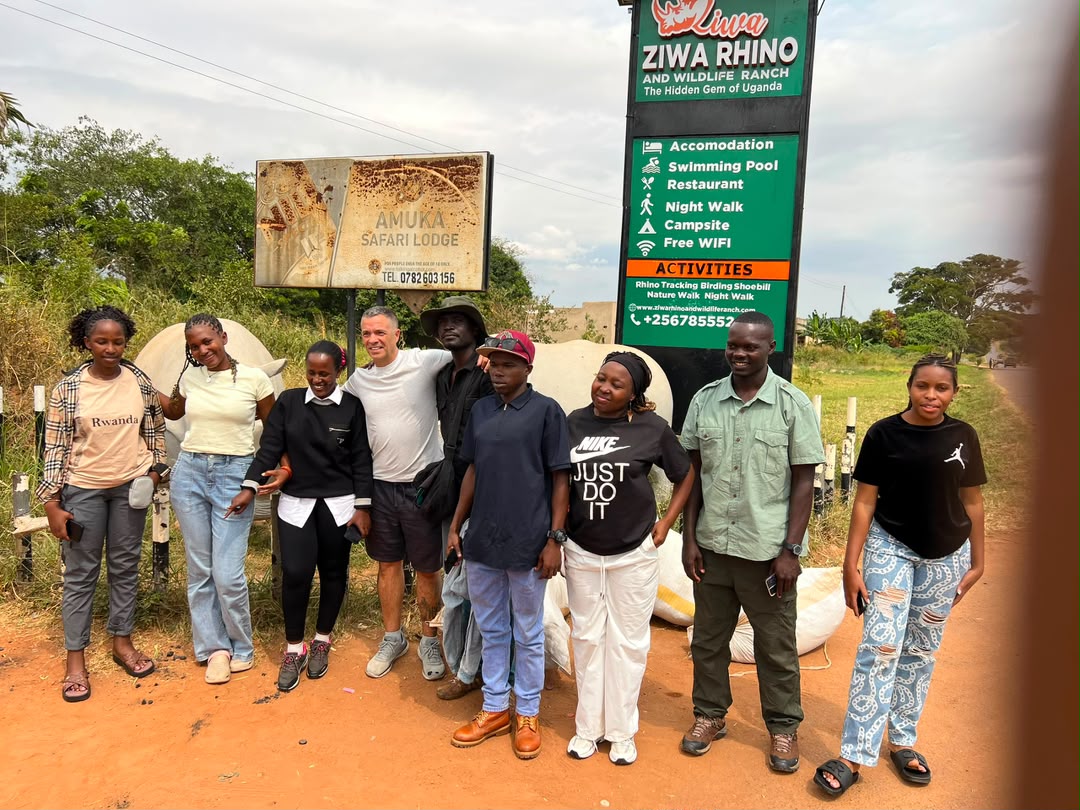

Tour Guiding as a Profession in Africa. Africa is home to some of the most extraordinary travel experiences on earth. Mountain gorillas in the misty forests of Uganda and Rwanda. The great wildebeest migration across Kenya and Tanzania. Victoria Falls on the border of Zambia and Zimbabwe. The pyramids of Egypt, the deserts of Namibia, the beaches of Zanzibar and the vibrant cultures of more than fifty countries. Behind almost every one of these experiences stands a professional tour guide.
For many years, tour guiding in Africa was seen as a casual job, something people did while waiting for a “real” career. That view is changing fast. Today, tour guiding as a profession in Africa demands real knowledge, certified training, strong communication skills and high ethical standards. Top guides are respected experts, trusted by international travellers and tour operators alike, and many go on to build successful tourism businesses of their own.
This guide explores what the profession involves, the different types of guides, the skills you need, how to qualify, the career paths available and what the future holds. Whether you are a school leaver, a driver hoping to upgrade, or a professional changing careers, you will find practical guidance here. At Uganda Tourism Institute, we train new guides every intake, and this article reflects what we see working in the industry.
Why Tour Guiding Matters in Africa
Tourism is one of Africa’s most important economic sectors. It earns foreign exchange, creates jobs in rural areas and funds the protection of national parks and wildlife. Gorilla permit fees, for example, help support conservation and the communities living around Uganda’s forests. Tour guides sit at the centre of this value chain.
A guide is often the only local person a visitor spends real time with. Through the guide, travellers learn about African history, languages, food, wildlife and daily life. A good guide breaks stereotypes, builds understanding and turns a holiday into a meaningful connection with the continent. In that sense, guides are cultural ambassadors for their countries.
Guides also protect the resources tourism depends on. They enforce park rules, teach visitors responsible behaviour and report illegal activity. Without skilled, ethical guides, wildlife would suffer, communities would benefit less and visitors would leave with poorer experiences.
Finally, the profession creates opportunity. Tour guiding is one of the few careers in Africa where passion for nature, culture and people can become a stable living. It rewards hard work, language skills and personality, and it offers clear routes to growth for those who keep learning.
Types of Tour Guides in Africa
Tour guiding is not one single job. It is a family of related careers, and many guides combine two or more roles over their working lives. Understanding the options helps you choose a direction that matches your interests and strengths.
Safari and Wildlife Guides
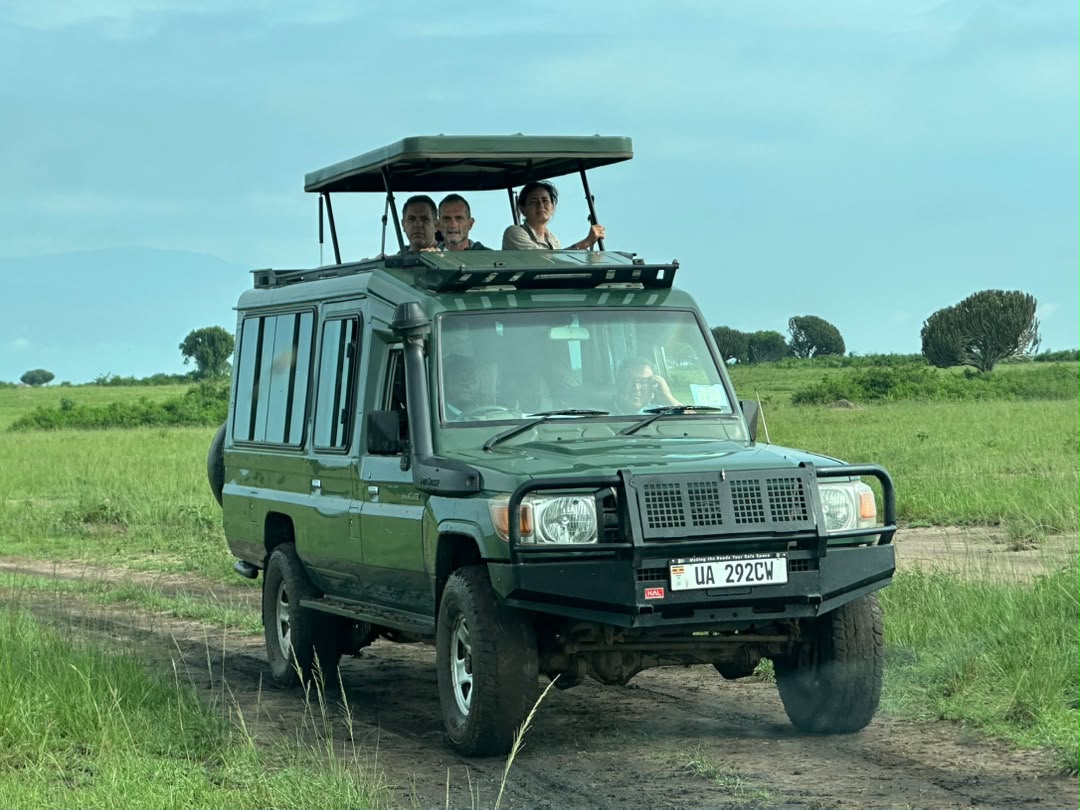
Safari guides lead game drives and nature walks in national parks and reserves. They track animals, interpret behaviour, identify birds and plants, and keep guests safe around wildlife. In East Africa, many safari guides work in parks such as Queen Elizabeth, Murchison Falls, the Maasai Mara and the Serengeti. This is the classic African guiding role and the one most international visitors picture first.
Driver Guides
Driver guides combine safe driving with guiding. They transport guests between destinations, often over long distances, while sharing knowledge along the way. In Uganda, driver guides are the backbone of most safari companies, because one trained professional can cover both roles. Our guide on how to become a tour driver in Uganda explains this path in detail.
Primate and Trekking Guides
These guides specialise in gorilla and chimpanzee trekking, mountain hikes and forest walks. They work closely with rangers and trackers in places like Bwindi Impenetrable Forest, Kibale National Park, Mgahinga and the Rwenzori Mountains. Fitness, patience and strong knowledge of primate behaviour are essential.
Birding Guides
Africa is a paradise for birdwatchers, and Uganda alone has recorded over a thousand bird species. Specialist birding guides can identify species by sight and sound, know where rare birds such as the shoebill can be found, and understand the needs of serious birders and photographers. Skilled birding guides are in high demand and often earn premium rates.
Cultural, Heritage and City Guides
Cultural guides lead visits to historical sites, museums, markets, kingdoms and community projects. City guides show visitors around Kampala, Nairobi, Cape Town, Cairo, Marrakech and other urban centres. These guides need deep knowledge of history, customs, arts and local etiquette.
Adventure Guides
Adventure guides lead activities such as white-water rafting on the Nile in Jinja, kayaking, mountain biking, ziplining and climbing. They require specialised safety training and certifications for their activity.
Tour Leaders and Tour Consultants
Tour leaders travel with groups across several destinations, managing logistics and the overall experience. Tour consultants work mainly in offices, designing itineraries, advising clients and coordinating bookings. Many experienced field guides move into these roles later. Learn more in our article on the Tour Consultant Course in Africa.
Essential Skills Every Professional Tour Guide Needs
Whatever type of guide you become, the profession rests on a common set of skills. These are the abilities employers look for and clients notice most.
Deep Knowledge of Wildlife, History and Culture
A professional guide is a teacher. You must understand the mammals, birds, reptiles, trees and ecosystems of the areas you cover, as well as the history, kingdoms, languages and traditions of local communities. Knowledge must be accurate and constantly updated. Guessing or inventing facts damages credibility quickly.
Communication and Storytelling
Knowledge is only valuable if you can share it well. Great guides speak clearly, adapt their language to each audience and turn facts into memorable stories. They know when to talk and when to let silence do the work at a powerful sighting. Our article on how can I become a good tour guide explores this skill further.
Foreign Languages
English is the main language of tourism in East Africa, but visitors also come from Germany, France, Italy, Spain, China and many other countries. A guide who speaks a second international language can serve more markets and often earns more. KCI’s language courses are a practical way to build this advantage.
Safety, First Aid and Risk Management
Guides are responsible for human lives. You must understand wildlife safety, first aid, emergency procedures and, for driver guides, defensive driving. Calm decision-making under pressure is one of the most important qualities a guide can have. KCI’s UVTAB courses include a two-week Defensive Driving short course for this reason.
Customer Care and Professionalism
Tour guiding is a service profession. Punctuality, neat appearance, patience, honesty and respect for clients are non-negotiable. Guides who handle complaints calmly and go the extra mile build loyal clients and strong reputations with tour operators.
Ethics and Conservation Awareness
Professional guides protect wildlife, respect communities and follow park rules even when clients push for closer sightings. Ethical guiding is not only right; it protects the long-term future of tourism and the guide’s own income.
All of these skills are covered in structured programmes such as our Tour Guiding Course in Uganda and the wider options reviewed in the best tour guiding courses in Uganda.
How to Become a Professional Tour Guide in Africa
There is no single route into guiding, but the most successful guides follow a similar path. Here is a practical step-by-step approach that works well in Uganda and across East Africa.
- Develop a genuine passion. Spend time in nature, read about wildlife and history, and visit local attractions. Passion is what keeps guides learning for decades.
- Get the right education. You do not always need a university degree. Many tourism short courses accept learners with any available academic documents, while longer certificate programmes ask for UCE or UACE results. Our post on can I study tourism after S4 in Uganda explains entry options clearly.
- Enrol in a recognised training programme. Choose a course assessed by a recognised body such as UVTAB, so your certificate is trusted by employers. Browse the options on our Our Courses page and check KCI’s admission requirements.
- Get a driving permit if you want to be a driver guide. Combined driving and guiding programmes make you more employable, because most safari companies in Uganda hire driver guides.
- Gain field experience. Take part in practical trips, internships and attachments with tour companies and lodges. Field experience turns classroom knowledge into confidence.
- Build extra skills. Add first aid, a foreign language, birding or photography skills. Each one widens your market.
- Join professional networks. Connect with guide associations, tour operators and experienced guides. Many jobs in tourism come through referrals.
- Keep learning. Update your knowledge every season, attend refresher courses and ask clients for feedback.
If you want to know about time commitment, read how long it takes to study a tourism course. At KCI Institute, the Tour Guiding & Driving short course takes 4 months, while Driving & Tour Guiding and Tours & Travel Management run for 1 to 2 years.
Career Paths and Growth Opportunities
One of the best things about tour guiding as a profession in Africa is the range of directions it can take you. Guiding is often the first step in a long tourism career.
- Field guide to senior guide: With experience and strong reviews, guides lead premium trips, VIP clients and specialist tours.
- Specialist guide: Many guides focus on birding, primates, photography or mountain trekking and become known experts in their niche.
- Tour leader: Experienced guides may lead groups across several countries, such as Uganda, Rwanda and Kenya, on longer regional tours.
- Trainer and mentor: Senior guides often train new guides for companies, associations and institutions.
- Tour consultant or operations manager: Guides who understand the field make excellent planners and managers in tour company offices.
- Tour company owner: Many of Africa’s successful safari businesses were started by former guides who knew exactly what clients want. KCI’s business consultation service can support new operators as they plan and grow.
The skills you build as a guide also transfer to lodges, hotels and hospitality management. Our article on hospitality management courses in Uganda shows how the two fields connect.
Earnings in the Tour Guiding Profession
Earnings vary widely across Africa, and honest guidance matters here. A guide’s income usually depends on several factors:
- Employment type: Some guides earn a monthly salary, while freelancers are paid per day or per trip.
- Experience and reputation: Senior guides with strong reviews command higher daily rates and more bookings.
- Specialisation: Birding, primate and photography guides often earn premium rates.
- Languages: Guides who speak in-demand foreign languages are booked more often.
- Tips: In many safari destinations, tips from satisfied clients form a meaningful part of income.
- Season: Peak seasons bring steady work, while low seasons can be quieter.
The key lesson is that income grows with skill. Guides who invest in training, languages and reputation consistently earn more than those who stop learning. Check the careers and job opportunities page regularly for openings once you qualify.
Challenges of Tour Guiding in Africa
Like any profession, tour guiding has real challenges. Knowing them in advance helps you prepare.
- Seasonality: Visitor numbers rise and fall through the year, so income can be uneven. Smart guides save during busy months and build skills in quieter periods.
- Long hours and time away from home: Safaris can last one to three weeks, with early mornings and long drives.
- Physical demands: Trekking, driving on rough roads and working in heat require good health and fitness.
- Competition: As tourism grows, more people enter guiding. Certified, skilled guides stand out; untrained guides struggle.
- Informal employment: Some guides work without contracts. Professional training, good records and strong networks help guides secure fairer, more stable work.
- Global events: Pandemics, travel advisories and economic shocks can reduce tourism suddenly. Diverse skills help guides adapt.
None of these challenges is a reason to avoid the profession. They are reasons to enter it well prepared, with recognised training from a trusted school such as the best tourism institute in Uganda.
The Future of Tour Guiding as a Profession in Africa
The future of guiding in Africa looks bright for those who prepare well. Several trends are shaping the profession:
- Growing demand for authentic experiences: Travellers increasingly want real connections with local people, food and culture, which raises the value of knowledgeable local guides.
- Rise of responsible and eco-tourism: Visitors care about conservation and community benefit. Guides who understand sustainability will be in high demand.
- Specialist and niche travel: Birding, photography, primate, adventure and wellness travel are growing, creating opportunities for specialist guides.
- Digital influence: Online reviews, social media and video content now shape which guides get booked. Guides with a strong professional reputation online enjoy a real advantage.
- Regional travel within Africa: More African travellers are exploring their own continent, opening new markets for guides who understand domestic and regional visitors.
- Higher professional standards: Governments, parks and tour operators increasingly expect certified, trained guides. Informal guiding without qualifications will become harder.
The message is clear: the profession is moving from informal to professional. Those who train now will lead the industry tomorrow.
Why Choose KCI Institute for Tour Guiding Training
At KCI Institute, our tourism programmes are designed to turn passion into a profession. Students learn in class and in the field, with lessons in wildlife interpretation, customer care, safety, itinerary planning, professional ethics and, for driver guides, practical driving. Programmes are assessed under UVTAB, and learners can choose physical or online study options. Learn more on our About Us page or the KCI About Us page.
If you are comparing schools, read our guides to the best tourism schools within Kampala and how to learn tourism courses in Uganda. For costs, see Tourism Course Fees in Uganda: What To Budget For and the official KCI fee structure. Our post on KCI Institute in Uganda: courses, fees and how to enroll brings it all together. Learners who want a second technical skill can also explore KCI’s heavy machinery training.
Frequently Asked Questions About Tour Guiding as a Profession in Africa
Is tour guiding a good career in Africa?
Yes. Tour guiding is a rewarding career for people who love nature, culture and meeting new people. It offers travel, variety and clear routes to senior roles, specialist work or running your own tour company, especially for guides with recognised training.
What qualifications do I need to become a tour guide in Uganda?
You need recognised tour guiding training, ideally a UVTAB-assessed certificate. Driver guides also need a valid driving permit. Short courses accept learners with any available academic documents, while longer programmes usually require UCE or UACE results.
How long does it take to become a tour guide?
At KCI Institute, the Tour Guiding & Driving short course takes 4 months, while longer programmes take 1 to 2 years. Real expertise then grows with field experience over several seasons. Check our Intakes page for the next start date.
Can women become successful tour guides in Africa?
Absolutely. Women are increasingly leading safaris, treks and cultural tours across Africa, and many clients actively request female guides. Skill, knowledge and professionalism are what matter most.
Can I study tour guiding online?
Yes. KCI offers online learning options for many programmes, with field practicals done in person. Registered students can follow their progress through the KCI student portal.
Conclusion: Turn Your Passion for Africa into a Profession
Tour guiding as a profession in Africa has never offered more opportunity. The continent’s wildlife, landscapes and cultures attract travellers from every corner of the world, and each one needs a skilled, ethical and passionate guide to bring the journey to life. The profession rewards knowledge, communication, care and continuous learning, and it opens doors to senior guiding, consulting, training and business ownership.
The guides who will lead Africa’s tourism future are the ones who prepare properly today. With recognised training, field experience and a commitment to professionalism, you can build a career that is both meaningful and rewarding.
Ready to start? Explore our programmes on the Our Courses page, then apply now or submit your application directly through KCI Institute. Call +256 789 210 067 for guidance, and keep reading our tourism career articles on the Uganda Tourism Institute blog for more practical advice.