
Best Tour Guiding Training School in Uganda. Choosing the best tour guiding training school in Uganda is one of the most important decisions you will make if you dream of leading safaris, showing visitors the mountain gorillas of Bwindi or explaining the history of the Buganda Kingdom to curious travellers. The school you pick shapes the knowledge you carry into the field, the confidence you show in front of clients, the certificate on your CV and, very often, the first company that hires you.
Uganda has many institutions that advertise tourism courses, but not all of them produce guides that employers want. Some focus mainly on theory, some have no field trips, and others issue certificates that tour companies do not recognise. In this guide we explain what makes a tour guiding school truly excellent, what you will learn, how long training takes, what it costs, and why Uganda Tourism Institute has become a trusted choice for students who want to become professional guides and driver-guides.
Why Professional Tour Guide Training Matters
A tour guide is far more than a person who shows the way. Guides are storytellers, wildlife interpreters, safety officers, problem solvers and ambassadors of Uganda. A single trip can include early-morning game drives, a long forest trek, a cultural visit, a border crossing and a late check-in at a lodge, and the guide is responsible for the client’s experience at every step.
Tour operators rely heavily on online reviews, and one poorly trained guide can damage a company’s reputation. That is why most reputable companies now ask for a recognised certificate and evidence of practical training before they hire. Professional training gives you:
- Reliable knowledge of Uganda’s wildlife, birds, plants, parks, history and cultures.
- Guiding techniques such as how to interpret nature, manage a group and tell stories that clients remember.
- Safety and first aid skills for the bush, the road and the forest.
- Customer care and professionalism that turn a good trip into a five-star review.
- A recognised certificate that opens doors with tour operators, lodges and conservation organisations.
To understand the full picture of the career before you enrol, read our article on tour guiding as a profession in Africa.
What Makes the Best Tour Guiding Training School in Uganda?
Before you pay fees anywhere, compare schools using the following checklist. The best tour guiding schools score well on every point.
1. Recognised Accreditation and Certification
Your certificate should be accepted by employers across Uganda and East Africa. In Uganda, vocational programmes such as tour guiding are assessed by UVTAB (Uganda Vocational and Technical Assessment Board). A UVTAB-assessed certificate shows that you have been examined against national standards, not just by the school itself. Always ask a school which body assesses its students and whether the certificate is nationally recognised.
2. A Practical, Field-Based Curriculum
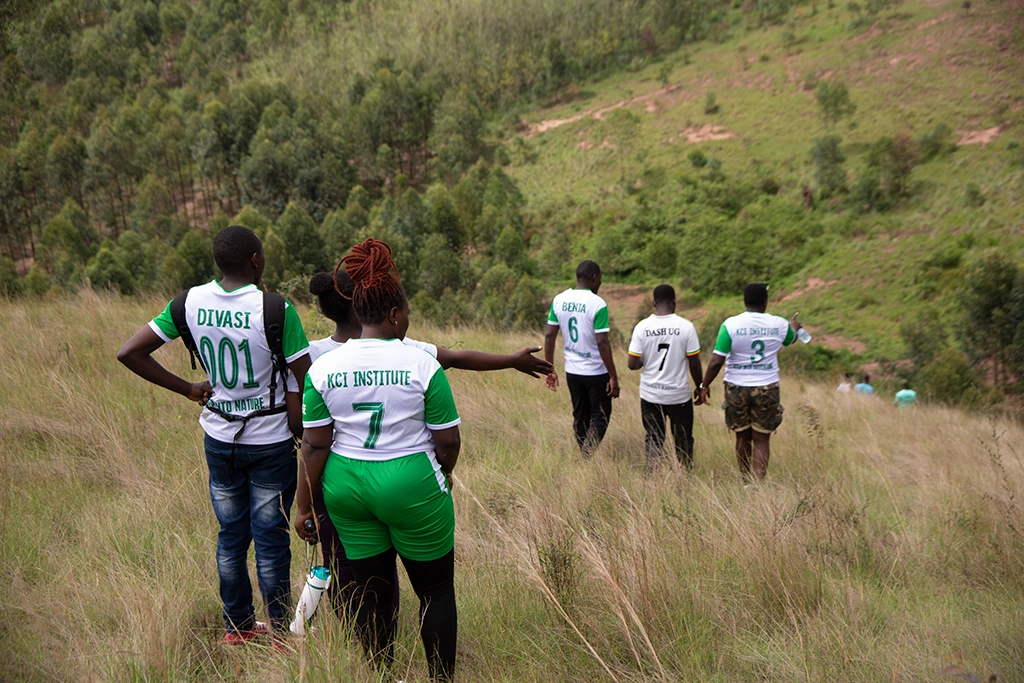
You cannot learn to guide only from a classroom. The best schools combine classroom lessons with regular field trips to national parks, forests, wetlands, cultural sites and city attractions. During these trips, students practise spotting and identifying wildlife, giving commentaries, managing time and handling real-life situations. Ask any school how many field trips are included in the fees and where they go.
3. Experienced Trainers from the Industry
Great guides are trained by great guides. Look for a school whose trainers have worked as safari guides, tour consultants, rangers or lodge managers. They bring practical stories, industry contacts and up-to-date knowledge of what clients and employers expect.
4. Driving and Driver-Guide Training
In Uganda most safaris are road-based, so the most employable guides are those who can also drive. A strong school offers combined tour guiding and driving courses, including defensive driving and basic vehicle mechanics. Learn why this combination is so valuable in our guide on how to become a tour driver in Uganda.
5. Foreign Language Options
Guides who speak French, German, Spanish, Italian or Chinese earn more and are booked more often, because they can serve markets that many English-only guides cannot. The best schools either teach languages or partner with institutions that do. Students at our institute can add a language through the KCI language courses.
6. Internships and Links with Tour Companies
An internship is often the bridge between training and your first job. Ask whether the school places students with tour operators and lodges, and whether graduates have actually been hired. Schools that are connected to working tour companies can give students a real view of safari operations. For more on this, read our article on internships and practical experience in tourism courses.
7. Flexible Study Options and Fair Fees
Many students work or live far from Kampala. Schools that offer day classes, weekend classes, online learning and instalment payments make training possible for more people. Fees should be clear from the beginning, with no hidden charges for field trips or examinations.
8. Convenient Location and Learning Facilities
A school in Kampala gives easy access to the city’s tour operators, airport, transport and cultural sites, while still allowing field trips to the parks. A library with current wildlife guides, maps and reference books, plus comfortable classrooms, also makes a big difference to your learning. If you want to compare options in the capital, see our list of the best tourism schools within Kampala.
What You Will Learn in a Top Tour Guiding Course
A complete tour guiding programme prepares you for every part of a guide’s working day. While the exact content differs between schools, the best courses cover the following areas.
Uganda’s Tourism Destinations and Attractions
You will study Uganda’s national parks, wildlife reserves, forests, lakes, mountains and cultural sites, including what each place offers, how to get there, the best seasons to visit and which activities are available. This knowledge is the foundation of every itinerary you will guide.
Wildlife, Bird and Plant Identification
Clients expect their guide to name animals, birds and trees quickly and accurately, and to explain their behaviour. Training covers mammals, primates, reptiles, birds and common plants, with practice using binoculars, field guides and spotting techniques. Birding is a particularly valuable specialisation in a country with more than a thousand bird species.
Primate Trekking Procedures
Gorilla and chimpanzee trekking are the highlights of most Uganda safaris. Guides must understand permit procedures, trekking rules, distance limits, health precautions and how to prepare clients physically and mentally. Real itineraries like the 3-Day Uganda Gorillas Safari show how a guide manages the long drive to Bwindi, the ranger briefing and the trek itself. Students also learn how to advise budget travellers, as explained in this guide on how to do a cheap gorilla tour in Uganda.
Culture, History and Heritage Interpretation
Uganda’s kingdoms, ethnic groups, languages, music, crafts and food are a major part of the visitor experience. Guides learn to present culture respectfully and accurately and to help clients interact with communities in a way that benefits local people. Cultural safari routes such as the best safaris in Western Uganda with cultural tours demonstrate how guides combine wildlife and culture in one trip.
Guiding Techniques and Communication
This module teaches you how to plan a commentary, speak clearly to groups, handle questions, use humour, manage different personalities and keep clients engaged during long drives. Practice sessions and presentations build your confidence before you go into the field.
Customer Care and Client Management
Great guides anticipate client needs, from meal preferences to rest stops and photography opportunities. You will learn how to welcome clients, manage complaints, handle special needs and create memorable moments. Our article on how to make your clients happy on a safari shares many of the techniques taught in class.
Safety, First Aid and Emergency Handling
Guides work in remote areas, so they must know how to respond to injuries, illness, vehicle breakdowns, wildlife encounters and bad weather. Training covers first aid basics, safety briefings, risk assessment and communication during emergencies.
Tour Operations and Itinerary Planning
Guides who understand how tours are planned and costed are more useful to employers and can later move into consultancy or open their own company. You will learn how itineraries are designed, how permits and accommodation are booked, and how cross-border trips work, using examples such as tours combining Uganda and Rwanda.
Ecotourism and Responsible Travel
Modern travellers care about conservation and community benefits. Training covers responsible guiding practices, park rules, minimising environmental impact and supporting local communities. You can go deeper into this subject through our article on ecotourism and sustainable development courses in Uganda.
Tour Guiding Courses Available at Uganda Tourism Institute
At Uganda Tourism Institute, part of KCI Institute on Gayaza Road in Kampala, we offer several routes into professional guiding so that every student can choose a programme that matches their goals, time and budget. All programmes are assessed under UVTAB.
- Tour Guiding & Driving (short course, about 4 months): Our most popular programme for future driver-guides, combining guiding knowledge with professional driving.
- Tourism Operations (about 4 months): Ideal for guides who also want to understand reservations, itinerary planning and tour management.
- Tourism & Hospitality (about 4 months): A broad foundation for guiding as well as lodge and hotel work.
- Defensive Driving (about 2 weeks): A short add-on for guides who already drive but want safer, more professional skills.
- Driving & Tour Guiding (1–2 year programme): A longer certificate for students who want deeper training and stronger qualifications.
- Tours & Travel Management (1–2 year programme): For students who plan to grow into operations, management or business ownership.
You can view every programme on our courses page and on the KCI Institute UVTAB courses page. For a closer look at the course content, read our dedicated post on the tour guiding course in Uganda, and compare it with other options in our review of the best tour guiding courses in Uganda.
Entry Requirements: Who Can Join?
One of the best things about tour guiding is that it is open to many people. Short certificate courses generally accept students who have completed S4, while longer programmes may require S6 or an equivalent qualification. University graduates, career changers and people already working in tourism also join to gain a recognised certificate and sharpen their skills.
What matters most is your attitude: a love for nature and people, good spoken English, a willingness to learn and the physical fitness to handle long days outdoors. For students who drive, you will need to meet the age and licensing requirements for a driving permit. If you have just finished secondary school, read our guide on whether you can study tourism after S4 in Uganda.
How Long Does Tour Guide Training Take?
Short courses usually take between two weeks and five months depending on the programme, while certificate and diploma programmes run for one to two years. Short courses are ideal if you want to start working quickly, while longer programmes give you deeper knowledge and better chances of promotion. Our article on how long it takes to study a tourism course compares the options in detail.
Remember that learning continues after graduation. The best guides keep reading, attend refresher trainings, learn new languages and spend time in the field with experienced colleagues.
How Much Does Tour Guiding Training Cost in Uganda?
Fees differ from school to school and depend on the length of the programme, the number of field trips and whether driving lessons are included. When comparing costs, always check what the fee covers: tuition, examination fees, field trips, learning materials, uniform and certification. A cheaper course that has no field trips or recognised certificate can end up costing you more in lost job opportunities.
For a full breakdown of what to budget for, read tourism course fees in Uganda: what to budget for, and check the latest figures on the official KCI fee structure. Ask our admissions team about instalment plans and any current discounts.
Common Mistakes to Avoid When Choosing a Tour Guiding School
Every year, some students lose time and money because they choose a school in a hurry. Avoid these common mistakes:
- Choosing on price alone. The cheapest course is rarely the best value if it skips field trips, driving practice or a recognised examination.
- Not asking about assessment. If a school cannot tell you clearly which body examines its students, think twice before paying.
- Ignoring practical training. A course that is almost all classroom work will leave you unprepared for your first safari.
- Forgetting to talk to graduates. Former students can tell you honestly whether the training helped them get hired.
- Overlooking career support. Internship placement and links with tour companies are just as important as the lessons themselves.
A Typical Week as a Tour Guiding Student
Many prospective students ask what daily life on a tour guiding course looks like. At Uganda Tourism Institute, a typical week mixes several learning styles. Mornings are usually spent in class covering topics such as Uganda’s parks, wildlife identification, history and guiding techniques. Afternoons include practical sessions: giving short commentaries to classmates, map reading, first aid drills or driving lessons for students on the combined guiding and driving course.
Throughout the programme, students go on field trips to sites such as wetlands, forests, cultural centres and national parks, where they take turns guiding the group while trainers give feedback. By the end of the course, students have practised in real settings many times, which makes the transition to paid work much smoother.
Why Uganda Tourism Institute Is a Top Choice for Tour Guiding
Students choose Uganda Tourism Institute because we focus on one thing: producing guides who are ready to work. Here is what sets our training apart:
- UVTAB-assessed certificates that are recognised nationally and respected by employers.
- Hands-on training with field trips to national parks, forests and cultural sites, so you practise real guiding before you graduate.
- Combined guiding and driving programmes that produce complete driver-guides, the most in-demand profile in Uganda’s safari industry.
- Industry trainers with experience in guiding, hospitality and tour operations.
- Language options that help you serve international clients and earn more.
- Industry connections through our sister company, Kenlink Tours, which runs gorilla, primate, wildlife and cultural safaris across Uganda, Rwanda, Kenya and beyond, giving students a real-world view of safari operations.
- Flexible learning with in-person and online options, plus regular intakes throughout the year.
- A convenient Kampala location on Gayaza Road, easy to reach from all parts of the city.
Read more about our history and values on our About Us page and on the KCI Institute About Us page. For a complete overview of programmes, fees and enrolment, see KCI Institute in Uganda: courses, fees and how to enroll.
Career Opportunities After Tour Guide Training
A tour guiding qualification opens many doors. Graduates work as:
- Safari guides and driver-guides with tour operators.
- City and cultural tour guides in Kampala, Jinja, Entebbe and other towns.
- Birding, primate and mountain hiking guides.
- Lodge guides and activity coordinators at hotels and safari camps.
- Adventure guides for rafting, kayaking and hiking companies.
- Community tourism guides and conservation educators.
- Tour consultants and operations assistants in tour company offices.
- Freelance guides serving several companies during peak seasons.
With experience, many guides grow into operations managers, trainers or business owners. If you dream of running your own company one day, read what is needed to start a tour company in Uganda.
Tips to Become an Outstanding Tour Guide
Training gives you the foundation, but your habits decide how far you go. Follow these tips from experienced guides:
- Read every day. Study field guides, history books and travel news so your knowledge stays fresh.
- Practise your storytelling. Facts inform clients, but stories make them remember you.
- Learn a foreign language. Even basic phrases impress clients and set you apart.
- Be punctual and well groomed. Professional appearance builds trust from the first meeting.
- Listen to your clients. Adjust the pace, stops and commentary to what they enjoy.
- Protect wildlife and communities. Follow park rules and set a good example for your guests.
- Collect reviews and references. Happy clients and satisfied employers are your best marketing.
For more practical advice, read how can I become a good tour guide.
How to Enrol at Uganda Tourism Institute
Joining our tour guiding programmes is simple:
- Choose your course from our courses page based on your goals and available time.
- Check the next intake on our intakes page.
- Prepare your documents, such as academic results, a national ID or passport, and passport photos.
- Apply online through our Apply Now page or submit your application on the KCI Institute website.
- Receive your admission and payment details, then get ready to start your training.
Frequently Asked Questions
Which is the best tour guiding training school in Uganda?
The best school is one that offers UVTAB-assessed certificates, practical field trips, experienced trainers, driving and language options, and strong links with tour companies. Uganda Tourism Institute in Kampala meets all of these standards, which is why many students choose it.
Can I become a tour guide after S4?
Yes. Many short tour guiding courses accept S4 leavers. Longer certificate and diploma programmes may require S6 or an equivalent qualification.
How long is a tour guiding course in Uganda?
Short tour guiding and driving courses take around four months, while longer certificate programmes take one to two years.
Do I need to know how to drive to be a tour guide?
Not always, but driver-guides are the most in-demand guides in Uganda because most safaris are done by road. Combining guiding with driving greatly improves your job chances.
Can I study tour guiding online?
Some theory can be studied online, but field practice is essential for a professional guide. Uganda Tourism Institute offers flexible options that combine online learning with practical field training.
Start Your Tour Guiding Journey Today
Uganda’s tourism industry needs knowledgeable, confident and professional guides, and the right training is the first step. When you choose the best tour guiding training school in Uganda, you gain more than a certificate: you gain field experience, industry connections and the skills to give every client the trip of a lifetime.
Ready to begin? Apply for admission today, call us on +256 789 210 067, or keep exploring career advice on the Uganda Tourism Institute blog. Your future as a professional tour guide starts here.